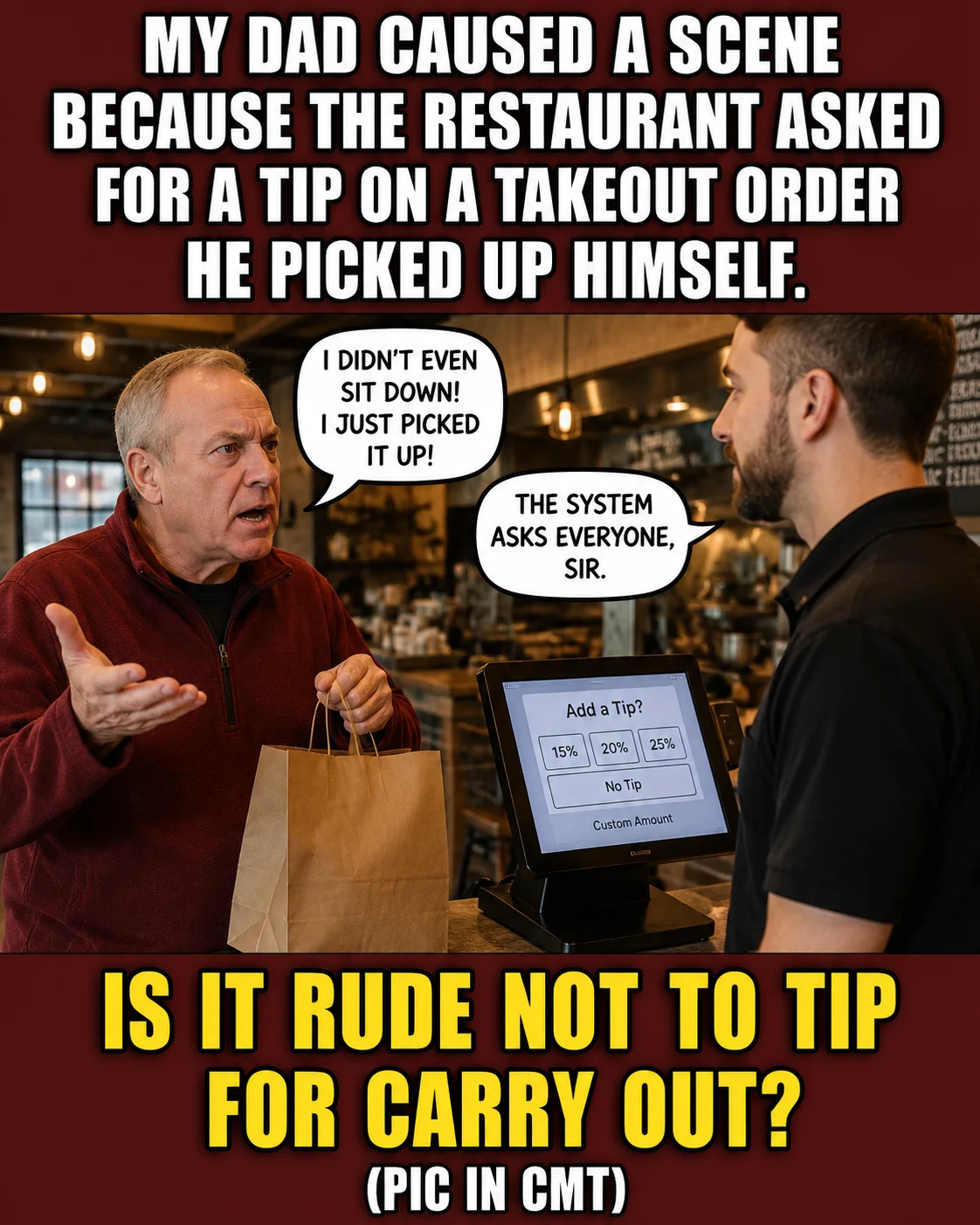
I recently watched someone pick up a takeout order and pause at the payment screen. It asked for a tip, and suddenly the line behind them seemed to disappear while they decided what to do. Sound familiar?
As more restaurants add tipping options to carry-out orders, many customers are wondering the same thing: Is it rude not to tip for takeout?
The answer depends on the restaurant, the level of service provided, and your personal choice. Unlike dining in, tipping for carry-out isn’t always expected, but there are situations where leaving a little extra is appreciated.
Here’s what you should know before your next takeout order.
Is Tipping for Takeout Required?
No.
In most places, tipping on a takeout order is optional. You’re paying for the food, and since you’re picking it up yourself, you’re not receiving table service.
However, many restaurants now include a tip prompt during checkout because employees often spend time preparing, packaging, and checking orders before handing them to customers.
Whether you tip is entirely up to you.
Why Do Restaurants Ask for Tips on Carry-Out Orders?
Preparing a takeout order involves more than placing food in a bag.
Restaurant staff may:
- Double-check your order for accuracy.
- Package food to help keep it fresh.
- Label containers.
- Add utensils, napkins, and condiments.
- Answer questions or make special requests.
A tip recognizes the extra time spent preparing your order, even if you aren’t dining inside the restaurant.
How Much Should You Tip for Takeout?
There isn’t one standard amount.
Many customers follow these general guidelines:
- No tip for a simple pickup if they prefer not to tip.
- 5% to 10% for larger or more complicated orders.
- A few dollars for small orders or excellent service.
- More for large catering orders or extensive special requests.
The amount is always your decision.
When Is It Nice to Leave a Tip?
Some situations make a tip feel more appropriate.
You may want to tip if:
- Your order includes many customizations.
- The staff handled a large family meal.
- Employees provided exceptional customer service.
- The restaurant was especially busy.
- Staff went out of their way to accommodate dietary requests or timing needs.
Even a small tip can show appreciation for extra effort.
Is It Rude Not to Tip?
Generally, no.
Most etiquette experts agree that customers shouldn’t feel obligated to tip for standard carry-out service.
At the same time, choosing to leave a tip isn’t wrong either. It simply reflects your appreciation for the work involved in preparing your order.
The key is making the decision without feeling pressured.
What About Tip Screens at Checkout?
Digital payment systems often display suggested tip amounts before you finish paying.
These prompts are generated by the payment system or the business and don’t necessarily mean a tip is expected every time.
If you don’t wish to tip, selecting “No Tip” or entering a custom amount is perfectly acceptable.
Frequently Asked Questions
Should you tip for fast-food takeout?
Most people do not tip for standard fast-food carry-out orders, although some choose to leave spare change or a small amount for exceptional service.
Should you tip for curbside pickup?
Many customers leave a small tip if an employee brings the order directly to their vehicle, especially during bad weather or busy periods.
Is it okay not to tip if you’re picking up your own food?
Yes. Since you’re not receiving table service, tipping is generally considered optional.
Should you tip on a large catering order?
Many people choose to tip on large or complex orders because they often require additional preparation and coordination.
Final Thoughts
Tipping for takeout has become more common as restaurants use digital payment systems, but it remains a personal decision.
If you’re simply picking up a quick meal, there’s no universal rule requiring you to leave a tip. On the other hand, if the staff handled a complicated order, provided excellent service, or helped with special requests, adding a few dollars is a thoughtful way to show your appreciation.
At the end of the day, good service deserves recognition, but customers should never feel uncomfortable making the choice that’s right for them.