That blue-and-yellow can can help with far more than a noisy hinge. WD-40 Multi-Use Product is designed to displace moisture, loosen stuck metal parts, remove some adhesive residue and leave a light protective film. The useful trick is applying only a little, exactly where needed, then wiping off the excess.
Before you start: important safety rules
Read the label on your own can. Use it with good ventilation and keep it away from flames, hot surfaces, pilot lights and sparks. Unplug equipment before any permitted maintenance near its moving metal parts. Avoid food-contact surfaces, skin, children’s toys, floors and anything that must stay non-slip. Test finishes and plastics in a hidden spot; the manufacturer specifically warns against polycarbonate and clear polystyrene. Never combine it with other cleaning chemicals.
20 practical household uses
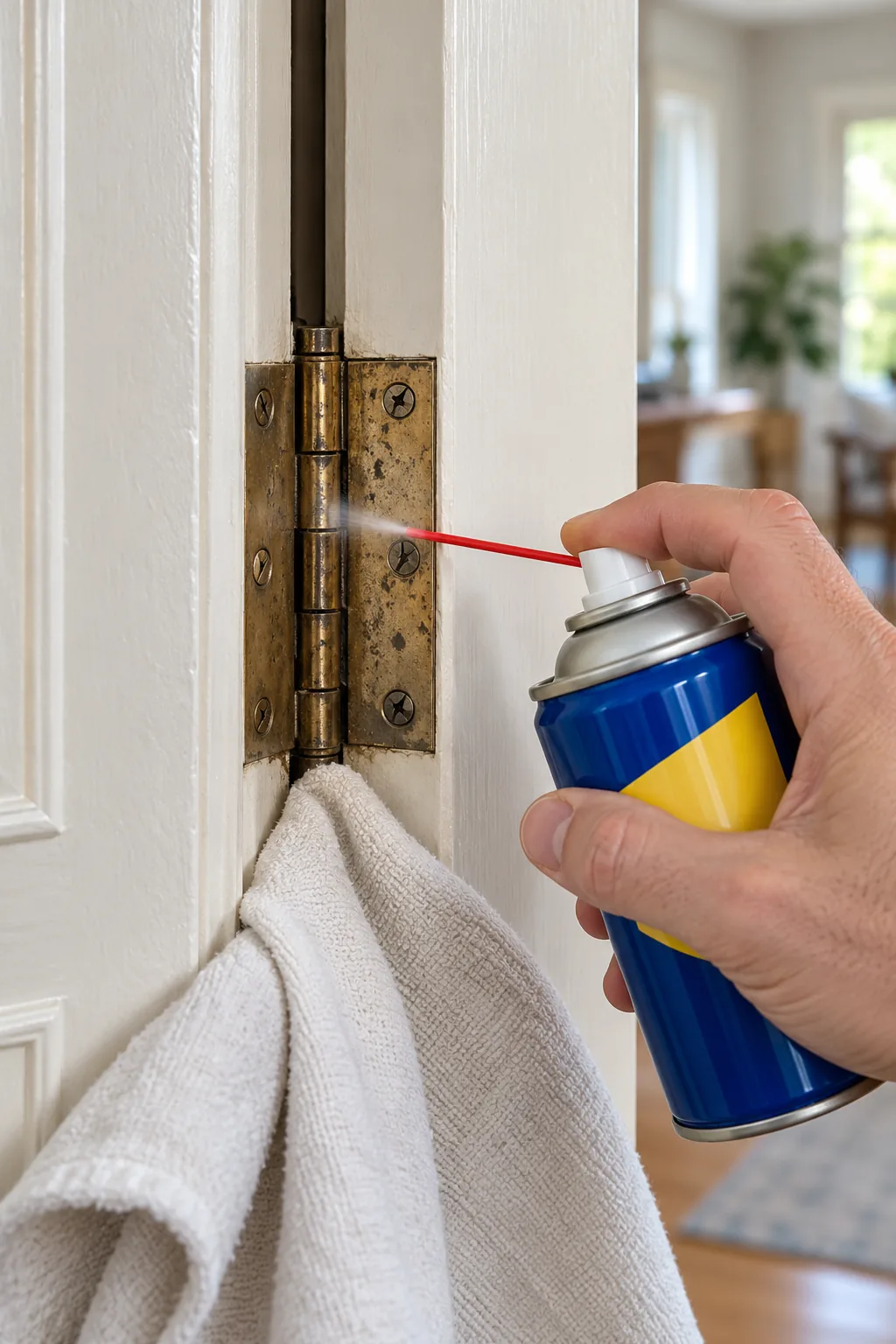
1. Quiet a squeaky door hinge
Aim a brief spray at the metal hinge pin, move the door several times, then wipe away drips from the trim and floor.
2. Loosen a stiff cabinet hinge
Protect the cabinet finish with a cloth and apply a small amount to the metal pivot. Open and close the door before removing any excess.
3. Free a sticky metal gate latch
Spray the moving metal joint, wait briefly, and work the latch gently. Clean away buildup first if grit is the cause.
4. Release a stubborn padlock
Apply a short burst to the keyway and mechanism, then gently turn the key. Avoid forcing a bent or frozen key.
5. Ease a rusty screw
Apply to the screw head and exposed threads, give it time to penetrate, and use the correctly sized screwdriver.
6. Loosen a seized nut or bolt
Direct the straw toward the joint, wait a few minutes, and try the wrench again. Repeat sparingly instead of soaking nearby surfaces.
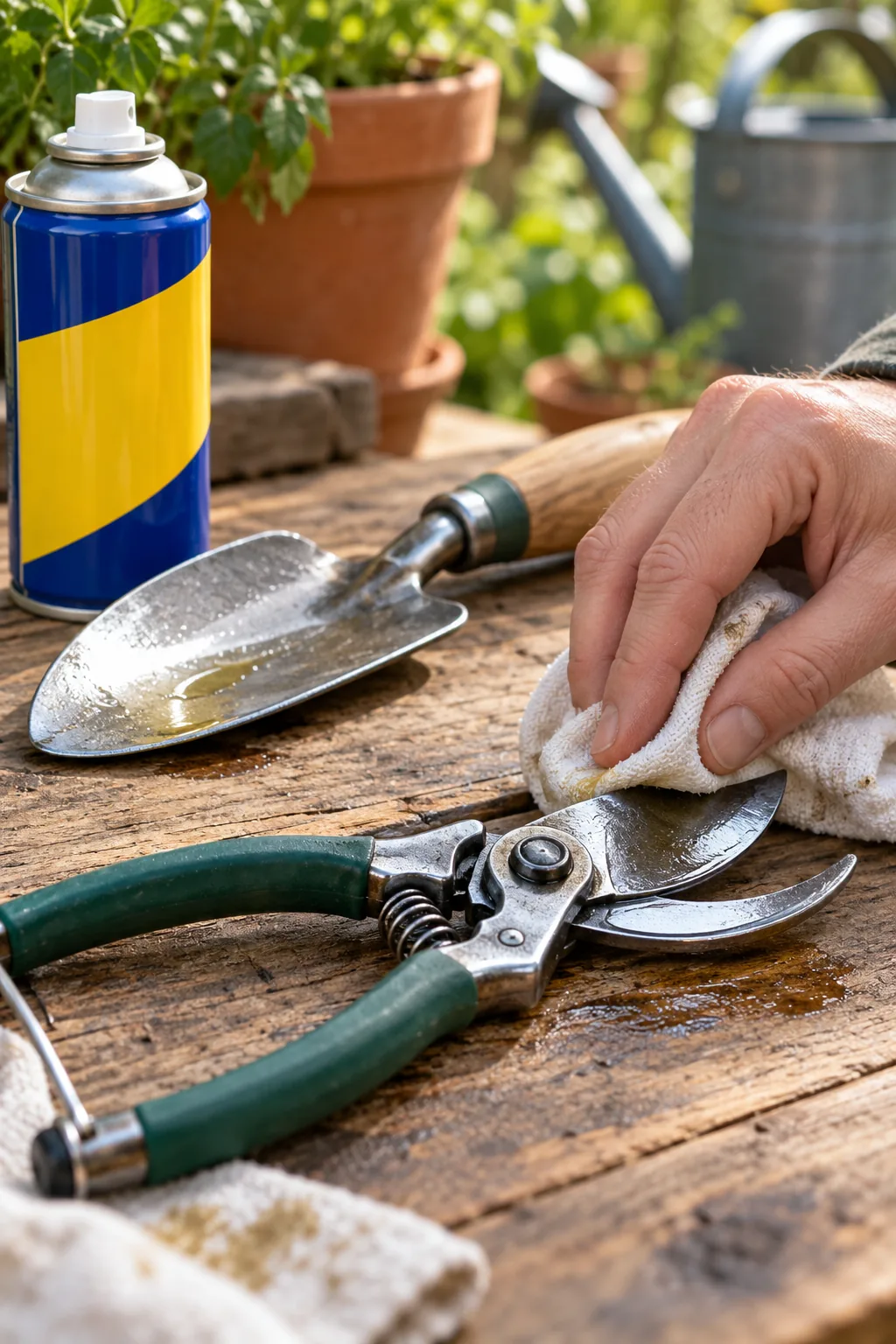
7. Maintain pruning shears
Clean and dry the blades first. Apply a small amount to the metal pivot and wipe the cutting surfaces before storage.
8. Protect a hand trowel
After washing off soil and drying the tool, wipe a thin film over the metal head to help limit moisture exposure.
9. Protect a shovel blade in storage
Clean and dry the metal blade, apply a light coat, and wipe the excess. Keep the handle free of residue so it stays secure in your hands.
10. Maintain a metal rake head
Brush away dirt, dry thoroughly, and coat only the metal tines lightly before storing the rake in a dry spot.
11. Care for a saw blade
With the tool unplugged or the blade removed, clean and dry the metal. Apply a thin protective film for storage, following the tool maker’s instructions.
12. Reduce snow sticking to a shovel
Wipe a small amount onto the clean metal blade outdoors. Do not treat the grip or any walking surface, which could become slippery.
13. Maintain accessible metal garage-door rollers
Only if your door manufacturer permits it, apply sparingly to exposed metal pivots with the system off. Keep spray away from belts, tracks and electrical parts.
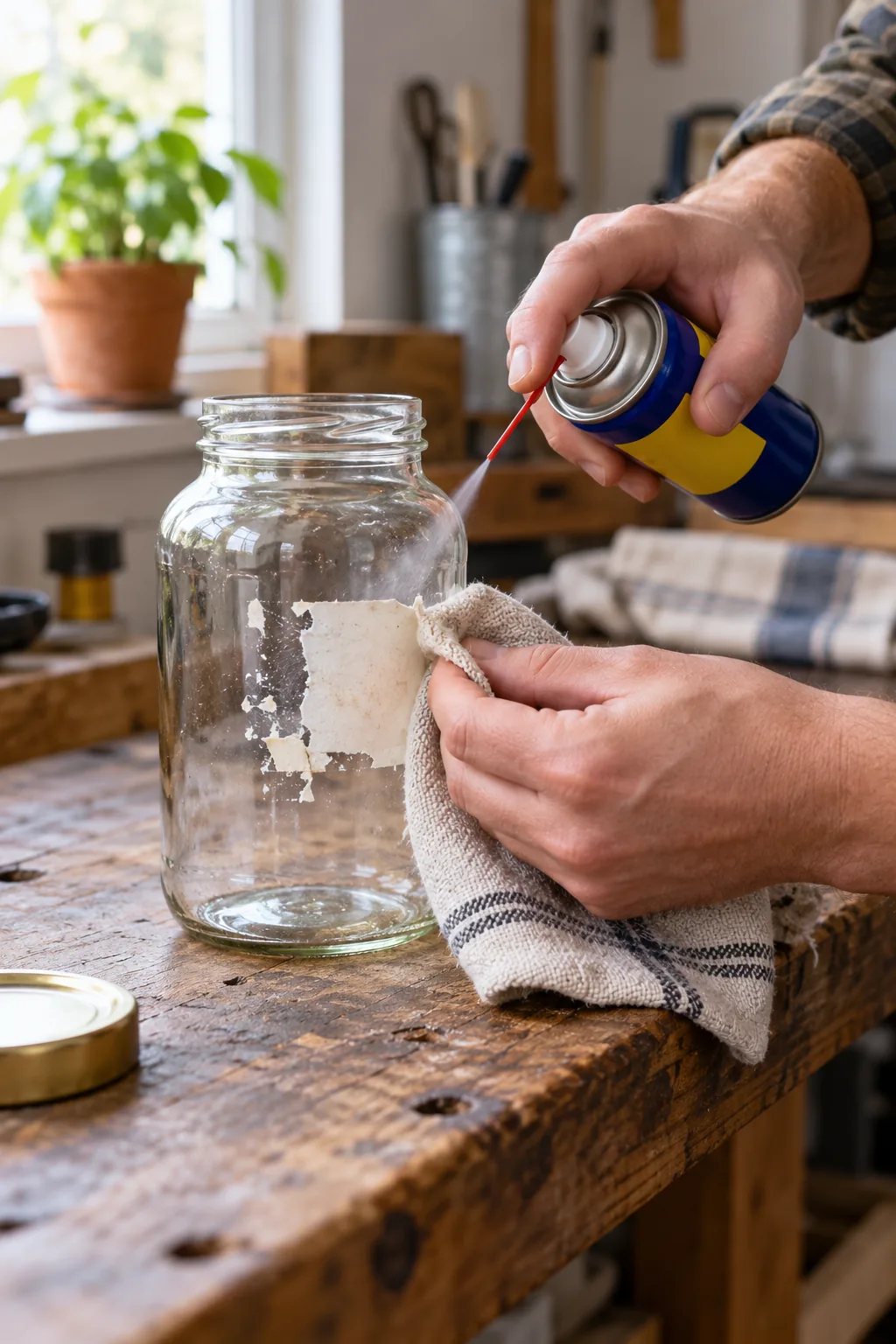
14. Remove an adhesive label from glass
Apply a little product to a cloth or label, wait briefly, then lift the paper with a plastic scraper. Wash the glass thoroughly afterward.
15. Lift tape residue from a metal toolbox
Rub a small amount onto the adhesive with a cloth and wipe clean. Test painted finishes in an inconspicuous spot first.
16. Remove a bumper sticker
Work slowly on an automotive exterior and test a hidden area first. Lift the sticker gently, then wash the treated area.
17. Polish exterior chrome hardware
Apply to a cloth, wipe the metal, then buff dry. Keep it away from handles that must remain grippy and from surfaces underfoot.
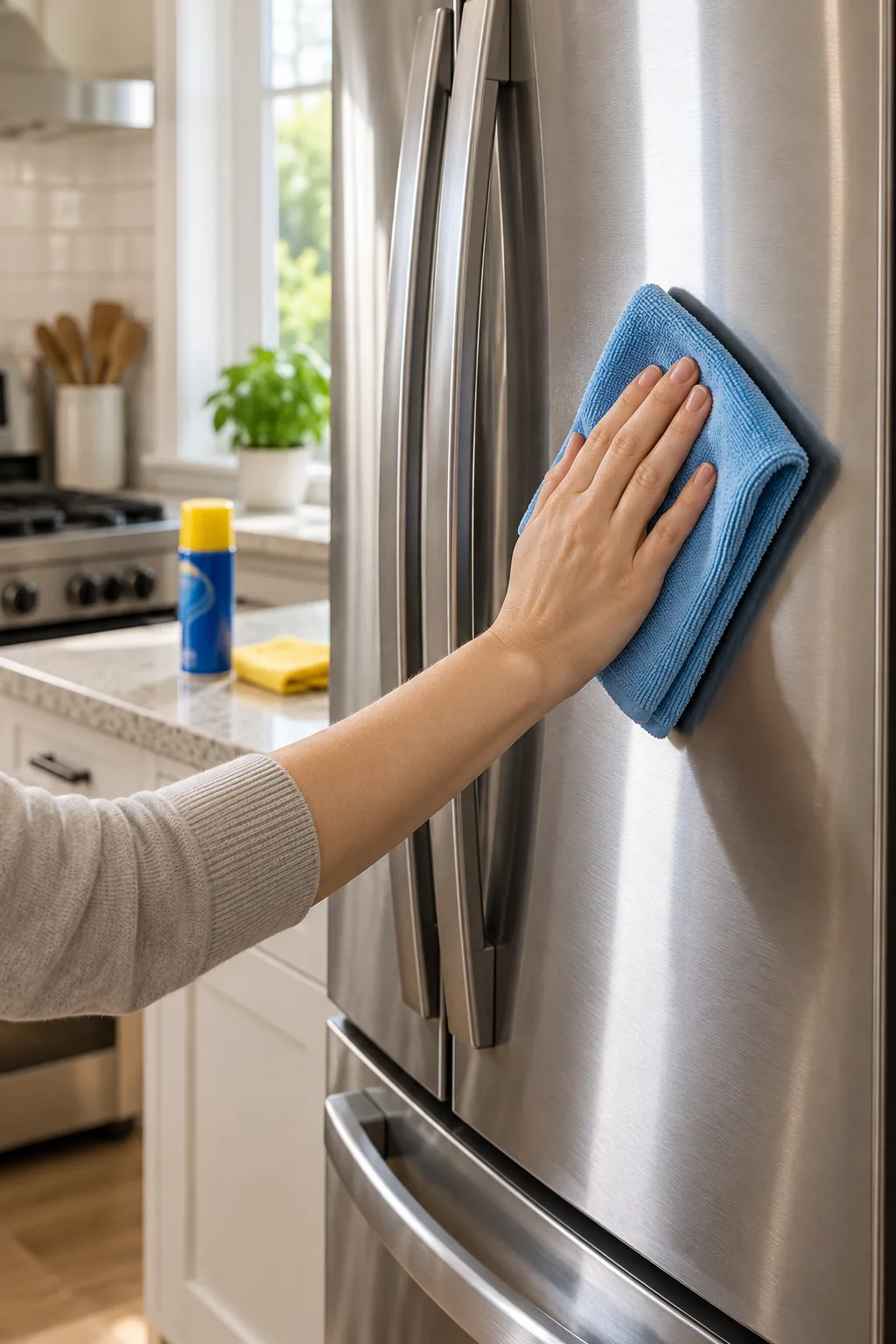
18. Refresh the exterior of a stainless-steel appliance
Spray onto a microfiber cloth rather than the appliance, wipe with the grain, and buff off the film. Use only on cool exterior panels away from food preparation.
19. Loosen tree sap on metal tools
Dab a small amount onto the sticky metal area, lift the sap with a cloth, then clean and dry the tool.
20. Protect spare metal hardware
For dry screws, hinges or fasteners headed into storage, wipe on a very thin coat and keep the parts in a closed, labeled container.
Where WD-40 is a poor choice
Skip hacks that put the standard aerosol on skin, food-contact dishes, cooking equipment, upholstery, delicate fabrics or walkways. Keep it away from flames and active appliances. Do not spray electrical connections or powered equipment. A purpose-made cleaner or lubricant is often a better choice for these jobs.
How to get the best result
Start by removing dirt and drying the surface. Apply a short, controlled spray to the metal part or to a cloth, let it work briefly, and then wipe away residue. Check the care instructions for the item you are treating. If a hinge or roller remains noisy, inspect for damage instead of repeatedly adding spray.
Sources and product guidance
These ideas follow the product’s stated roles and safety limitations. See the manufacturer’s surface guidance, its how-to tutorials, and the safety data sheet. Always follow the instructions on the specific product you own.