Friday nights for me have always been synonymous with an escape from the week’s hustle. Typically, this means cooking up something both comforting and exciting. Recently, I stumbled upon an intriguing idea that promised both: using instant mashed potato flakes as a coating for frying fish fillets. The idea seemed simple yet innovative enough to shake things up, so I decided to give it a shot.
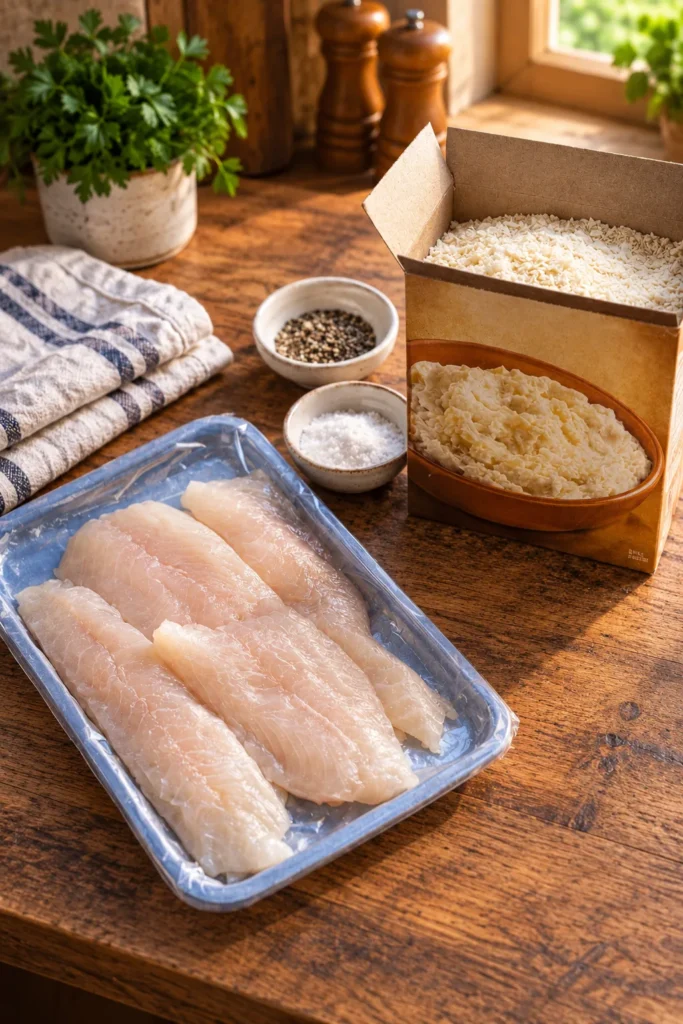
As I pulled out the ingredients I needed, a sense of anticipation filled my kitchen. This was a departure from the usual breadcrumb or flour coatings, and I wondered how the texture and flavor would compare. With a box of white fish fillets in hand and instant mashed potato flakes ready to go, I embarked on this culinary experiment.
1. Why I Reached For Instant Mashed Potato Flakes Instead Of Breadcrumbs
The choice to use instant mashed potato flakes instead of the traditional breadcrumbs stemmed from a desire to try something different. I had read that potato flakes could offer a crispy, golden crust, with the added bonus of a subtle potato flavor that breadcrumbs simply don’t provide. Additionally, potato flakes are often gluten-free, which makes them a great alternative for those with gluten sensitivities.
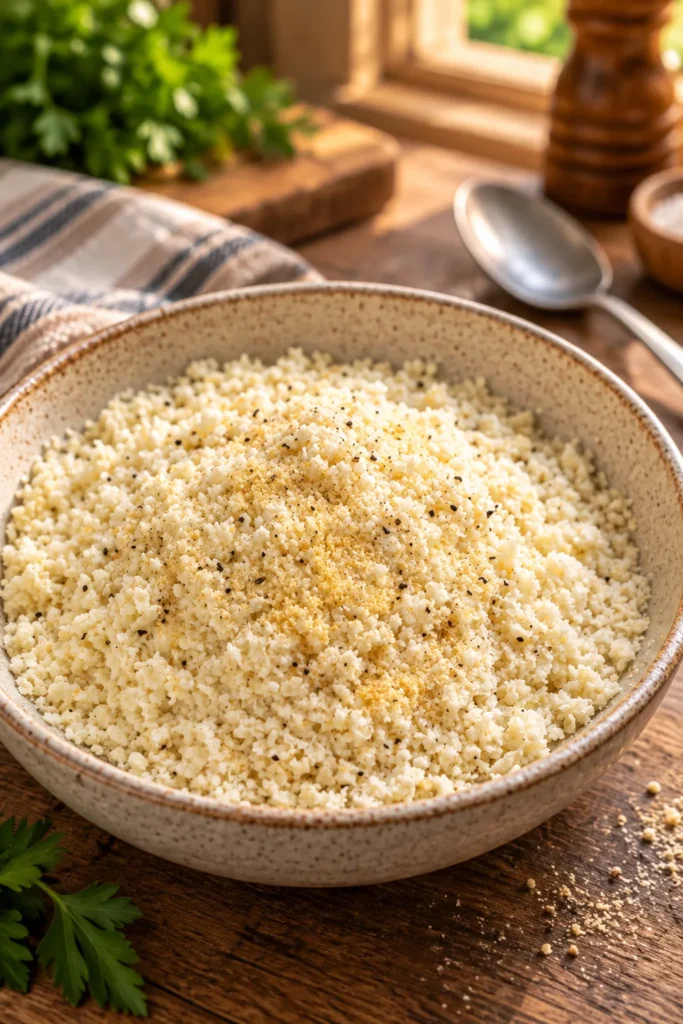
The ease of use was another factor. With instant mashed potato flakes, there’s no need to pre-toast or season them heavily. A simple seasoning with salt and pepper, or perhaps a dash of garlic powder, is all that’s needed. This simplicity appealed to me as I set out to create a quick yet delightful Friday night meal.
2. Prepping The White Fish Fillets For A Potato Flake Coating
Preparing the white fish fillets was straightforward. First, I ensured the fillets were thoroughly thawed and patted dry with a paper towel to remove any excess moisture. This step is crucial to ensure the coating sticks well.
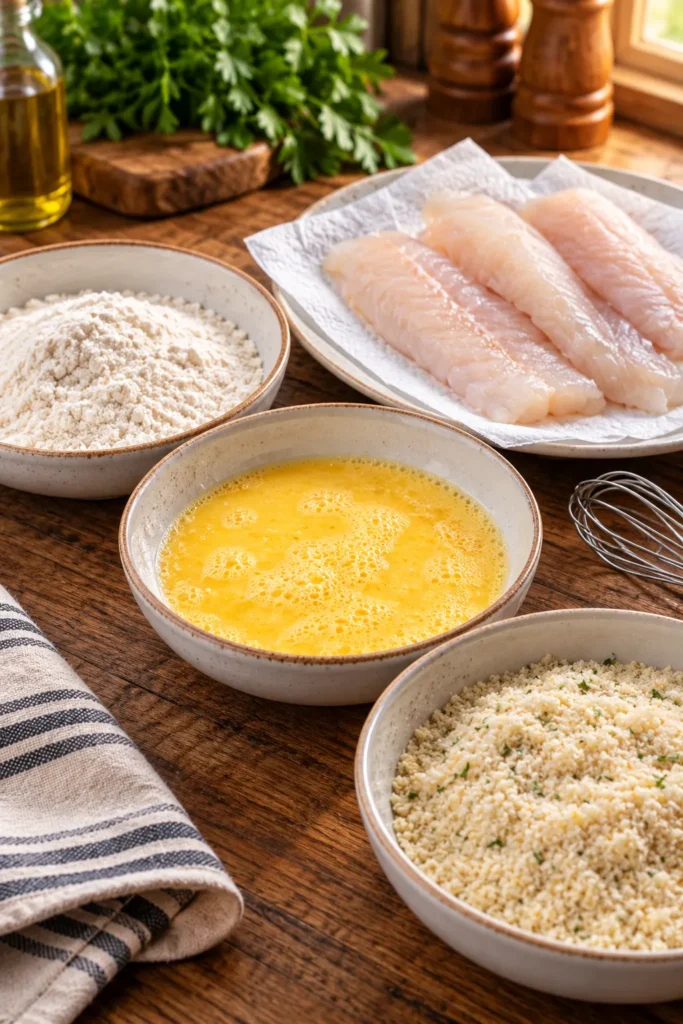
Next, I set up a basic dredging station with three shallow dishes: one with flour, one with beaten eggs, and the last with my seasoned instant mashed potato flakes. I decided to add a teaspoon of salt and half a teaspoon of black pepper to the flakes to enhance their flavor.
3. The Dredging Process: How I Applied The Dry Potato Flakes
The dredging process began with lightly coating each fillet in flour, ensuring an even layer. The flour provides a dry surface for the egg to adhere to, acting as a sort of primer for the potato flakes.
After the flour, I dipped the fillets into the beaten eggs, allowing the excess to drip off before moving on. Finally, I pressed the fillets into the potato flakes, gently ensuring they were evenly coated. The flakes clung nicely to the egg-washed fillets, forming a promising crust.
4. Into The Pan: Frying Time, Oil Temperature, And First Impressions
With the fillets coated, it was time to fry. I heated about half an inch of vegetable oil in a large skillet over medium-high heat, aiming for a temperature around 350°F. This level of heat ensures a good sizzle without burning the coating.
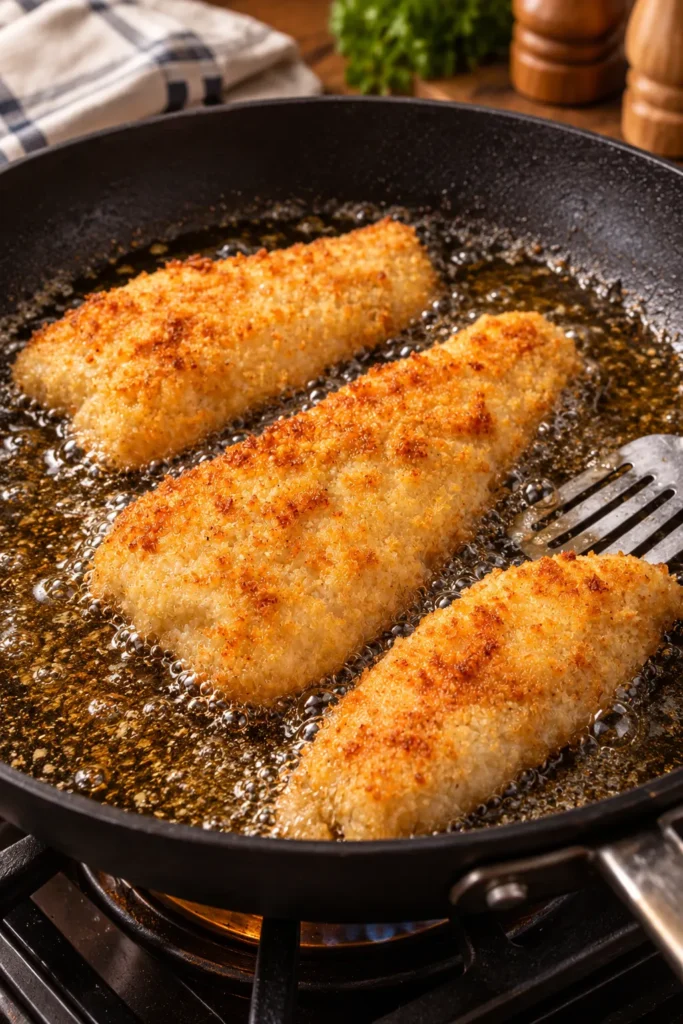
As I laid the first fillet into the pan, I was greeted with a satisfying sizzle. The potato flakes began to turn a beautiful golden brown almost immediately, and the kitchen filled with a delightful aroma. Frying each side for about 3-4 minutes seemed to be just right, achieving a crispy crust while keeping the fish tender inside.
5. The 10-Minute Transformation: Color, Texture, And Sizzle
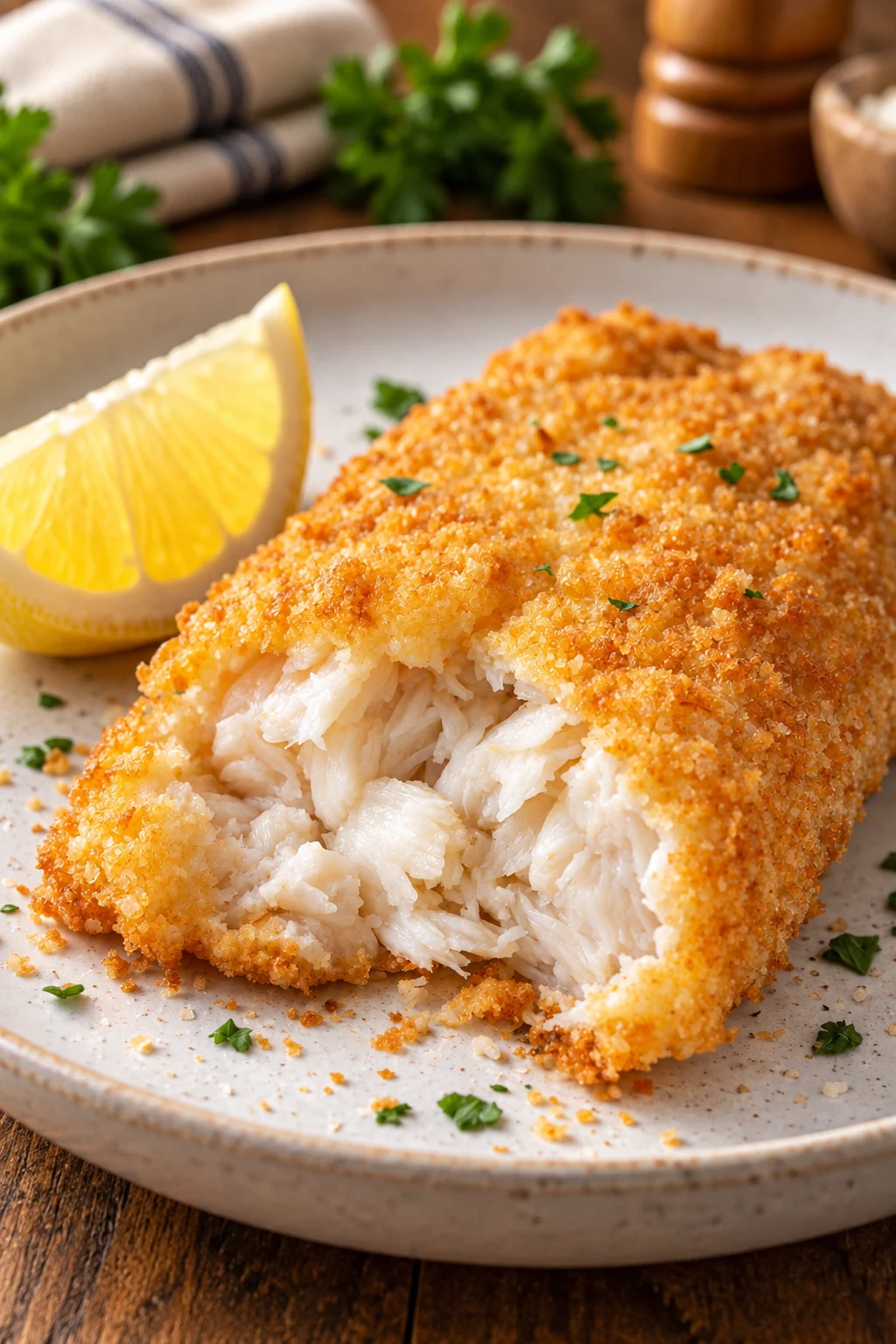
In just 10 minutes, the transformation was remarkable. The fillets emerged from the oil with a perfectly golden and crispy exterior. The potato flakes had expanded slightly, creating a textured surface that looked enticingly crunchy.
The texture was notably different from traditional breadcrumbs—a bit more flaky and less uniform, but in a way that promised an interesting mouthfeel. The sizzle in the pan subsided as I removed the fillets, leaving behind a tantalizing hint of potato aroma.
6. Crunch Test: How The Potato Crust Compared To Classic Breading
The moment of truth arrived with the first bite. The potato crust was incredibly crunchy, arguably more so than the classic breadcrumb coating. The flakes had crisped up beautifully, offering a satisfying crunch with every bite.
The airy texture also makes this a fun option for families, especially if you have little ones who love crispy foods but can be picky about fish. You could even cut the fillets into smaller pieces before coating and frying for fish nuggets that feel a little more kid-friendly at the table.
Unlike breadcrumbs, the potato flakes provided an airy lightness, avoiding the sometimes dense texture that can occur with traditional breading. This not only added a pleasant crunch but also allowed the fish’s delicate texture to shine through.
7. Flavor Surprise: What The Mashed Potato Coating Actually Tasted Like
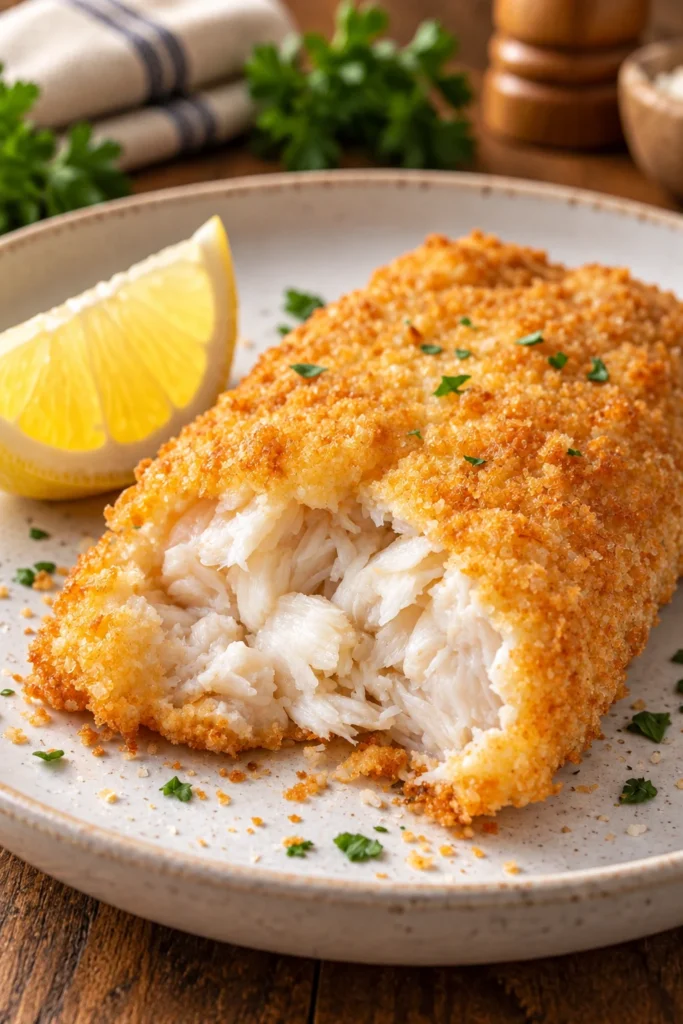
The flavor was a delightful surprise. The potato flakes imparted a subtle, savory potato flavor that complemented the fish perfectly. It was mild enough not to overpower the natural taste of the fish, yet distinctive enough to make the coating interesting on its own.
Even the simple seasoning of salt and pepper had a chance to shine through, enhancing the overall flavor profile. The potato flakes provided a unique twist to the dish that was both unexpected and enjoyable.
8. How The Fish Itself Turned Out Inside The Potato Crust
Inside the crispy potato crust, the fish was perfectly cooked—moist, tender, and flaky. The quick frying time ensured the fish remained juicy and flavorful, without drying out.
The contrast between the crunchy exterior and the soft, delicate fish was a highlight of the dish. The potato coating sealed in the fish’s moisture, creating an ideal balance of textures in every bite.
9. Mess, Cleanup, And Overall Effort Versus Traditional Frying
Cleanup was relatively straightforward, much like any other frying session. The potato flakes did not create more mess than breadcrumbs would, and any stray flakes were easily wiped away.
The overall effort was minimal, making this method an attractive option for those looking to try something new without committing to a more labor-intensive process. The simplicity of using potato flakes straight from the box was a major time-saver.
10. Would I Do It Again? Pros, Cons, And Tweaks I’d Make Next Time
I would certainly try this method again. The main advantage is the unique flavor and texture the potato flakes bring to the table. It’s a simple yet effective way to elevate a standard fried fish dish.
One potential downside is the availability of potato flakes, which might not be as common in some households as breadcrumbs. Next time, I might experiment with adding different seasonings or even herbs to the potato flakes to further enhance the flavor.
For families, this is also the kind of little kitchen trick that can make an ordinary meal feel fresh again. If your crew likes dipping sauces, I think this fish would be especially good with tartar sauce, ranch, or even a mild honey-mustard for kids who enjoy a familiar flavor on the side.
11. Should You Try This At Home? Who This Hack Is Really For
This cooking hack is ideal for those looking to add a twist to their usual fried fish recipe. It’s perfect for anyone who enjoys experimenting in the kitchen with minimal risk and effort. The method offers a gluten-free alternative to traditional breading, which is a bonus for those with dietary restrictions.
Overall, if you’re looking for a way to shake up your Friday night dinners or impress guests with a unique dish, dredging your fish fillets in instant mashed potato flakes is definitely worth a try.