I have a soft spot for kitchen experiments that sound a little odd at first and then make perfect sense once you taste the results. Boiling carrots in ginger ale instead of plain water falls squarely into that category. One weeknight, with a 2-pound bag of fresh carrots on the counter and a bottle of ginger ale in the refrigerator, I decided to try it. Fifteen minutes later, I had a pan of carrots that were glossy, lightly sweet, gently spiced, and far more interesting than the usual boiled side dish.
If that sounds like a gimmick, I understand the skepticism. I had it too. But there is real kitchen logic behind it: ginger ale brings sugar, ginger flavor, acidity, and aroma, all of which can subtly season the carrots as they cook. In this article, I’ll walk you through exactly what happened, how I did it, what the carrots tasted like, what worked, what I would change next time, and how you can make the method succeed in your own kitchen.
1. Why I tried ginger ale in the first place
I’ve cooked carrots every way I can think of over the years: roasted at 425°F until blistered, steamed with butter and dill, glazed in a skillet with brown sugar, and simmered in stock alongside pot roast. But carrots are one of those vegetables that can turn flat very quickly if all you do is drop them in unsalted water and walk away. They need help. They love sweetness, they pair beautifully with spice, and they benefit from a little acid to brighten them up.
Ginger ale offers all three. A standard 12-ounce bottle usually contains carbonated water, sugar or corn syrup, citric acid, and ginger flavor. That combination made me think of a shortcut version of a classic glaze. Instead of cooking carrots in water and adding flavor later, I wondered what would happen if the cooking liquid itself did the seasoning from the start.
2. The exact ingredients I used
For this test, I used 1 pound of fresh whole carrots, peeled and cut on a diagonal into pieces about 2 inches long and roughly 1/2 inch thick at the widest point. I wanted pieces substantial enough to hold their shape after simmering for 15 minutes.
I poured in one 12-ounce bottle of regular ginger ale, not diet. Diet soda behaves differently because artificial sweeteners do not reduce and glaze the same way sugar does. I also added 1 tablespoon unsalted butter, 1/4 teaspoon kosher salt, and a small pinch of black pepper. That was it for the first trial, because I wanted to taste what the ginger ale itself actually contributed before crowding it with extra ingredients.
3. The pan setup mattered more than I expected
I used a 10-inch sauté pan rather than a deep saucepan. That choice turned out to be important. In a wide pan, the ginger ale had enough surface area to simmer down at the same time the carrots cooked through. In a narrow pot, the liquid would likely have stayed thinner for longer, and the carrots might have boiled before any real glaze formed.
I placed the carrots in the pan in a mostly even layer, added the ginger ale, butter, salt, and pepper, and brought everything to a lively simmer over medium-high heat. The liquid came up to about halfway on the carrots, which is ideal for this kind of stovetop braise-glaze hybrid.
4. What happened in the first 5 minutes
At first, it looked almost ordinary. The ginger ale foamed lightly as the carbonation released, and for the first 2 to 3 minutes there was more bubbling than fragrance. Then the smell changed. I started picking up a warm, sweet aroma that was not as sharp as fresh ginger, but still distinctly gingery.
The carrots themselves brightened in color very quickly. By minute 5, they had shifted from raw orange to that deeper, glossier orange you see when carrots begin to absorb heat and release some of their natural sugars. The liquid was still thin at this point, but no longer tasted like straight soda. It had already become more savory because of the butter and salt.
5. What happened around the 10-minute mark
This was when the experiment got interesting. By 10 minutes, the ginger ale had reduced noticeably. Instead of sloshing liquid, I had a shallow bubbling layer that was beginning to cling to the carrots. The aroma was fuller too, somewhere between a simple butter glaze and the early stages of a holiday carrot dish.
I tested a piece with the tip of a knife. It went in with slight resistance, which is exactly where I like carrots at this stage. Not mushy, not hard. The centers were still structured, but they were no longer raw. If you prefer very soft carrots, you could easily go another 3 to 5 minutes. I tend to stop just before that point because carryover heat finishes the job.
6. What happened at 15 minutes
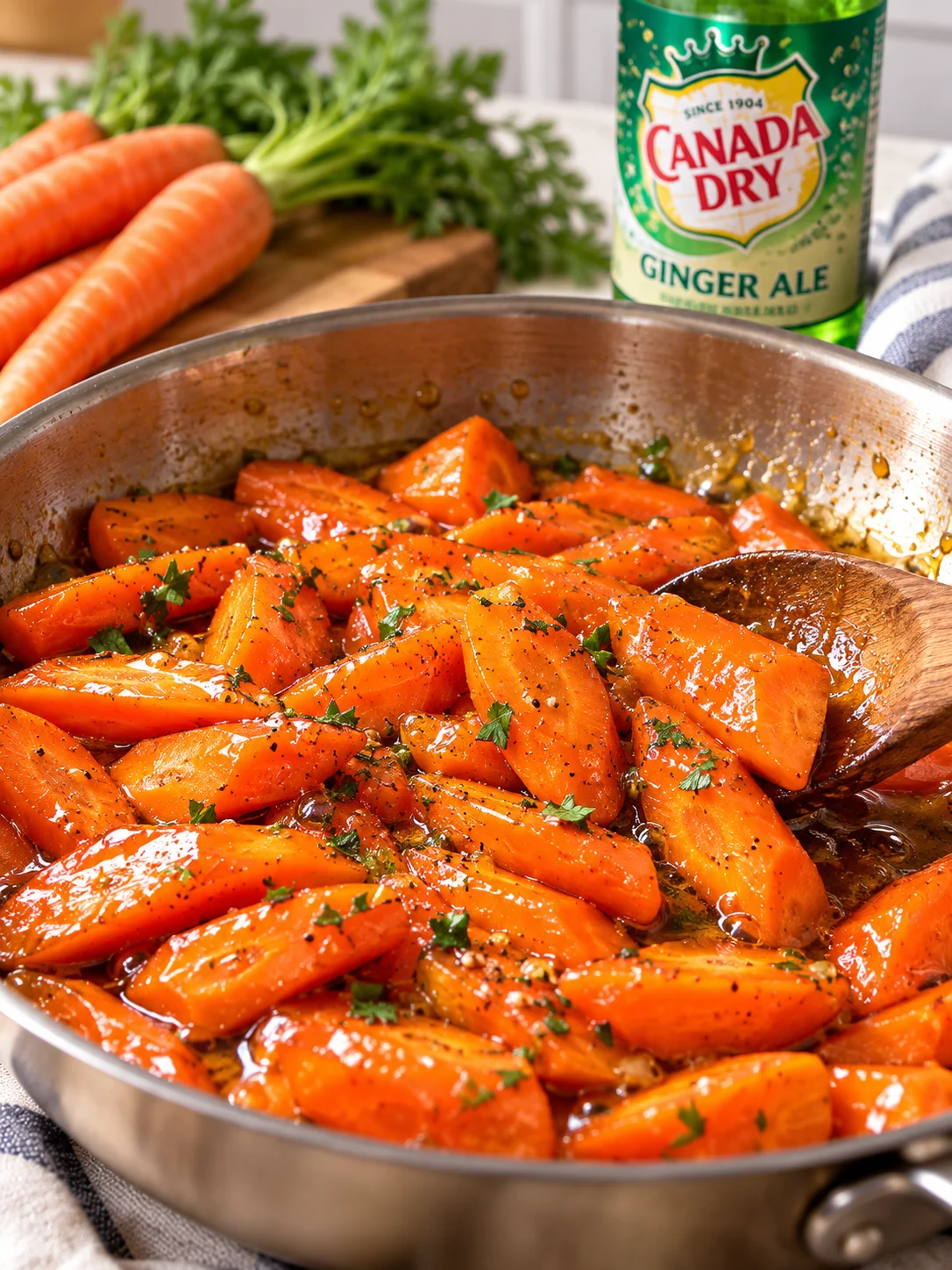
Fifteen minutes later, this is what happened: the ginger ale had reduced into a shiny, lightly sticky glaze coating each piece, and the carrots tasted sweeter, rounder, and more aromatic than standard boiled carrots ever do. They were tender enough to bite cleanly, but they still had shape and a gentle snap in the thickest pieces.
The glaze was not candy-like, and that is worth emphasizing. The result was much more balanced than the phrase “carrots boiled in ginger ale” might suggest. The sweetness was noticeable, but not cloying. The ginger note sat in the background. It did not taste like soda. It tasted like a quick glazed carrot side dish that someone had taken a little extra care with.
7. How the flavor actually compared to water-boiled carrots
The difference was dramatic. Carrots boiled in water, even salted water, often lose flavor into the pot. Unless you finish them aggressively with butter, herbs, or honey, they can taste diluted. These did the opposite. Because the cooking liquid reduced instead of being drained away, the flavor stayed in the pan and ended up on the carrots.
I would describe the finished taste like this: about 60% classic carrot sweetness, 20% buttery richness, 10% gentle ginger warmth, and 10% brightness from the soda’s acidity. That acid component matters. It kept the dish from reading as sugary. It also made the carrots taste a little livelier, especially alongside savory food.
8. The texture was the biggest surprise
I expected flavor changes. I did not expect the texture to improve as much as it did. Plain boiled carrots can go from underdone to limp in what feels like a 2-minute window. In the ginger ale, especially with a moderate simmer instead of a raging boil, the carrots cooked more gradually and then finished with a surface sheen that made them feel more polished on the plate.
The small amount of sugar in the liquid helped create that polished exterior. It was not a hard glaze, just enough to make the carrots look and feel finished. If you’ve ever had carrots that seem watery on the outside after boiling, this method solves that problem neatly.
9. The best type of ginger ale to use
Not all ginger ale is created equal here. A regular, full-sugar ginger ale works best because you need actual sugar for reduction. I used a standard grocery-store brand, and it worked well. If you can find a ginger ale with stronger real ginger flavor, that will give you a little more complexity, but avoid anything too aggressively spicy unless you know you want that profile.
I would skip diet ginger ale for this method. Without real sugar, you lose the glaze effect and may be left with a thinner, slightly odd-tasting liquid. Ginger beer can work, but it is often much stronger and less sweet than ginger ale, so the final dish may come out more pungent and less balanced. If you try ginger beer, I would dilute it with 1/4 cup water and add 1 teaspoon honey or brown sugar.
10. Small adjustments that made the second batch even better
After the first round, I made a second batch and tweaked it. This time I added 1/2 teaspoon grated fresh ginger, 1 teaspoon maple syrup, and 1 teaspoon apple cider vinegar near the end. That version was even better for my taste. The fresh ginger sharpened the aroma, and the vinegar added a little edge that kept the sweetness in check.
I also finished the second batch with 1 tablespoon chopped flat-leaf parsley. That may sound simple, but the fresh green note helped cut through the glaze beautifully. If I were serving these for a family dinner or holiday meal, that is the version I would choose.
11. Mistakes to avoid if you try it yourself
The biggest mistake is using too much liquid. If you drown the carrots in 24 ounces of ginger ale for just 1 pound of carrots, you will spend too long waiting for the pan to reduce, and the carrots may overcook first. For 1 pound of carrots, 10 to 12 ounces is the sweet spot in a wide pan.
The second mistake is cooking over heat that is too high. Sugar can go from glossy to scorched quickly, especially once the liquid gets low. Keep it at a steady simmer, not a furious boil. If the pan starts looking syrupy before the carrots are tender, add 2 to 3 tablespoons of water and lower the heat slightly.
The third mistake is skipping salt. Even though ginger ale is sweet, the dish tastes incomplete without at least 1/4 teaspoon kosher salt per pound of carrots. Salt is what turns the result from novelty to actual side dish.
12. What to serve with ginger ale carrots
These carrots are especially good with savory mains that need a bright, sweet counterpoint. I served mine with roasted chicken thighs and wild rice, and the combination worked beautifully. They would also pair well with baked ham, pork tenderloin, meatloaf, or turkey cutlets.
If you want to build a full plate around them, think in terms of contrast. Because the carrots are sweet and glossy, pair them with something salty, herby, or peppery. Mashed potatoes, buttered egg noodles, a mustard-rubbed pork chop, or even a simple lentil pilaf would all balance them nicely.
13. How this method compares with honey-glazed or brown sugar carrots
Honey-glazed carrots are richer and more floral. Brown sugar carrots are deeper and a little more molasses-like. Ginger ale carrots sit in a lighter lane. They are sweet, yes, but they also have a cleaner, brighter finish. The ginger gives them personality without making them heavy.
That makes this method especially useful when you want a fast stovetop side dish that feels a little special but does not require pulling out five extra ingredients. In 15 to 18 minutes, you can go from raw carrots to something dinner-party worthy, and that is no small thing on a busy night.
14. A reliable step-by-step version to follow
If you want the easiest formula, here is the one I would recommend after testing it twice: combine 1 pound peeled, sliced carrots, 12 ounces regular ginger ale, 1 tablespoon butter, 1/4 teaspoon kosher salt, and a pinch of black pepper in a 10-inch sauté pan. Bring to a simmer over medium-high heat.
Cook uncovered for 12 to 15 minutes, stirring every 3 to 4 minutes, until the carrots are tender and the liquid has reduced to a glaze. If needed, continue 2 more minutes over medium heat, watching carefully. Finish with 1 teaspoon apple cider vinegar or lemon juice and 1 tablespoon chopped parsley. Serve immediately.
15. So, was it worth doing?
Absolutely. It was not a silly trick, and it was not one of those internet ideas that looks better than it tastes. It genuinely improved the carrots. What happened after 15 minutes was a practical little lesson in how sweetened, flavored liquid can act as both cooking medium and sauce.
Will I boil carrots in ginger ale every single time? No. There is still plenty of room in my kitchen for roasted carrots, buttered carrots, and carrots simmered in stock. But I will absolutely keep this method in my weeknight rotation, especially when I want a quick side with a little sparkle to it. For such a small change, the payoff was surprisingly big.
16. My final verdict
If you have fresh carrots, a bottle of ginger ale, and 20 minutes, this experiment is worth trying at least once. The method gives you carrots that are tender, glossy, lightly spiced, and far more flavorful than the standard boiled version. It is inexpensive, easy, and just unusual enough to be memorable.
From one Midwestern home cook to another curious cook anywhere, this is the kind of kitchen detour I enjoy most: simple ingredients, one small twist, and a result that makes you raise your eyebrows after the first bite. In my house, that’s usually the sign that a recipe is going to stick around.