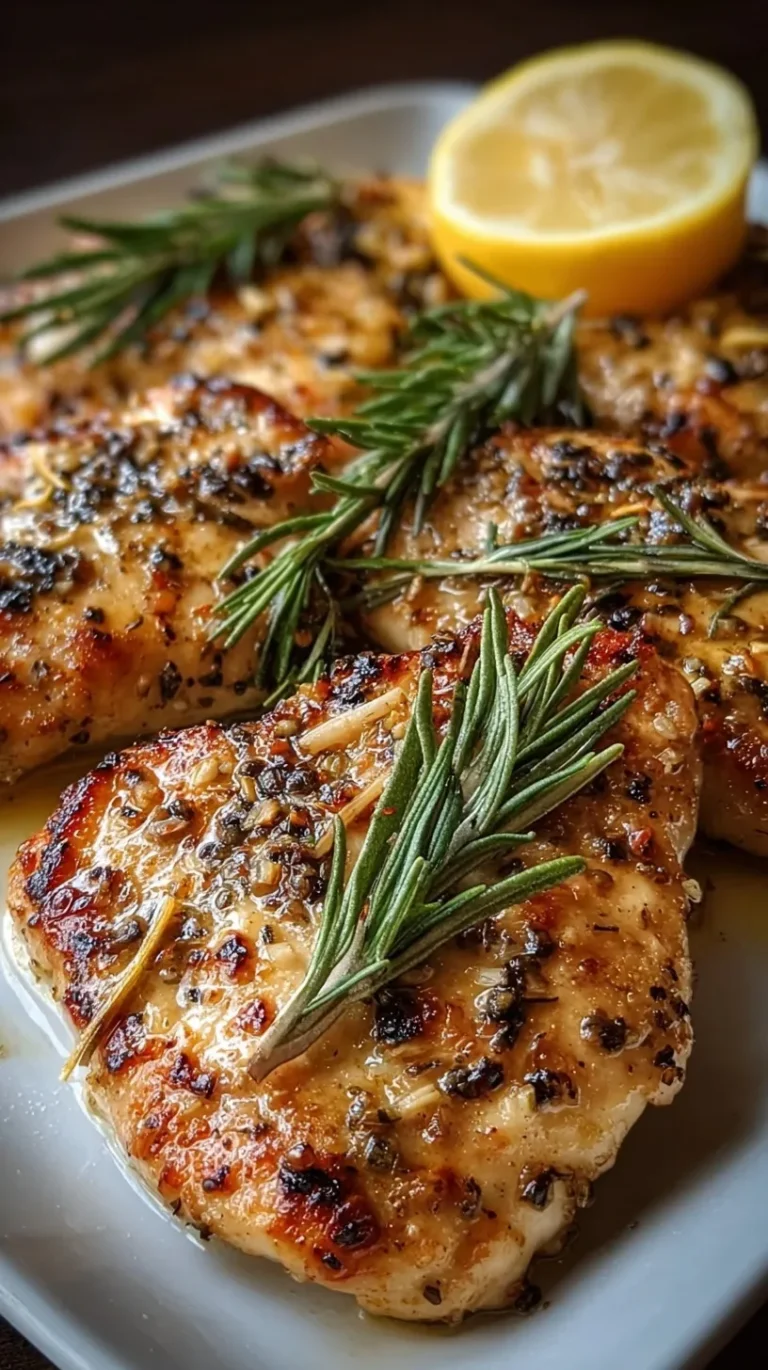
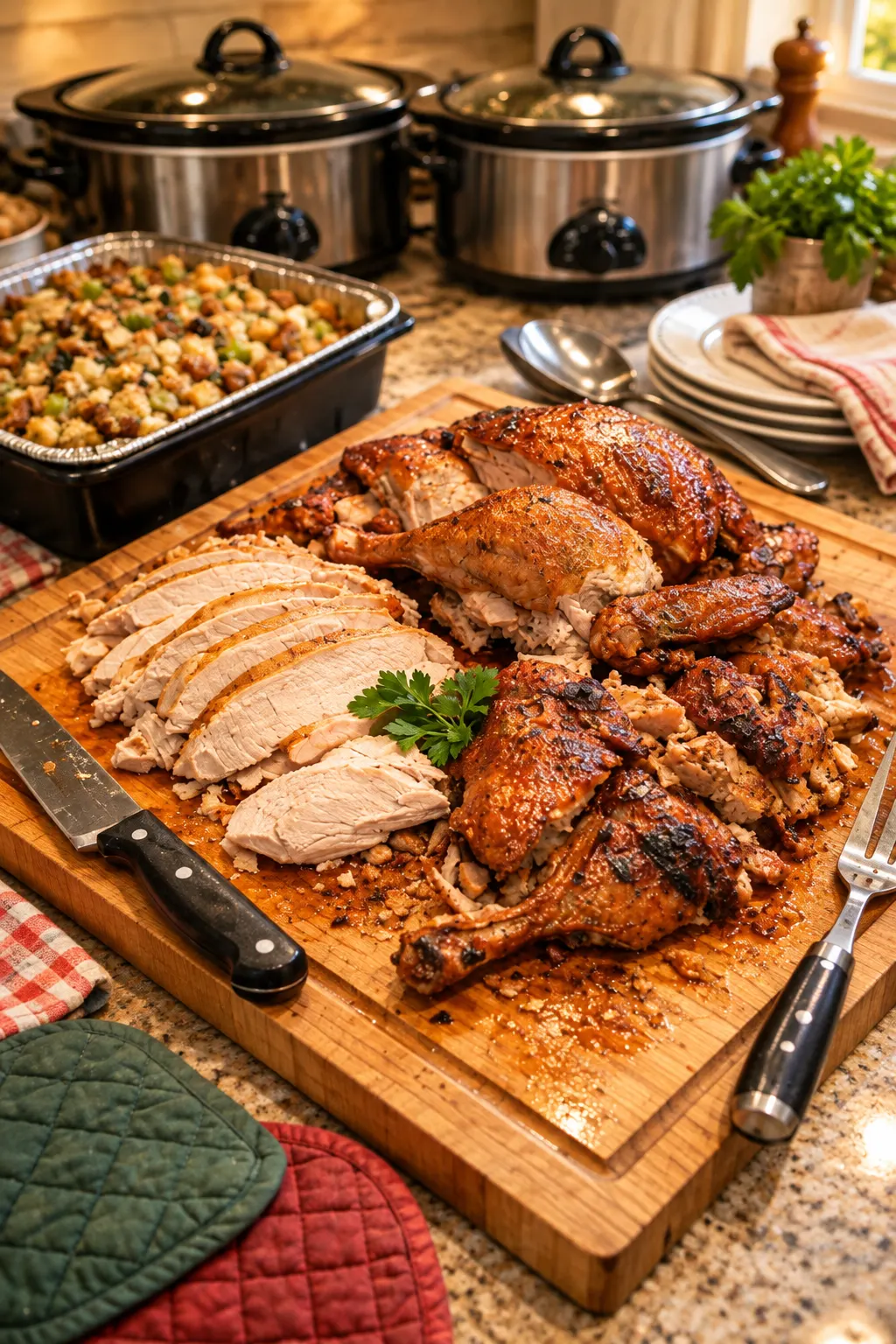
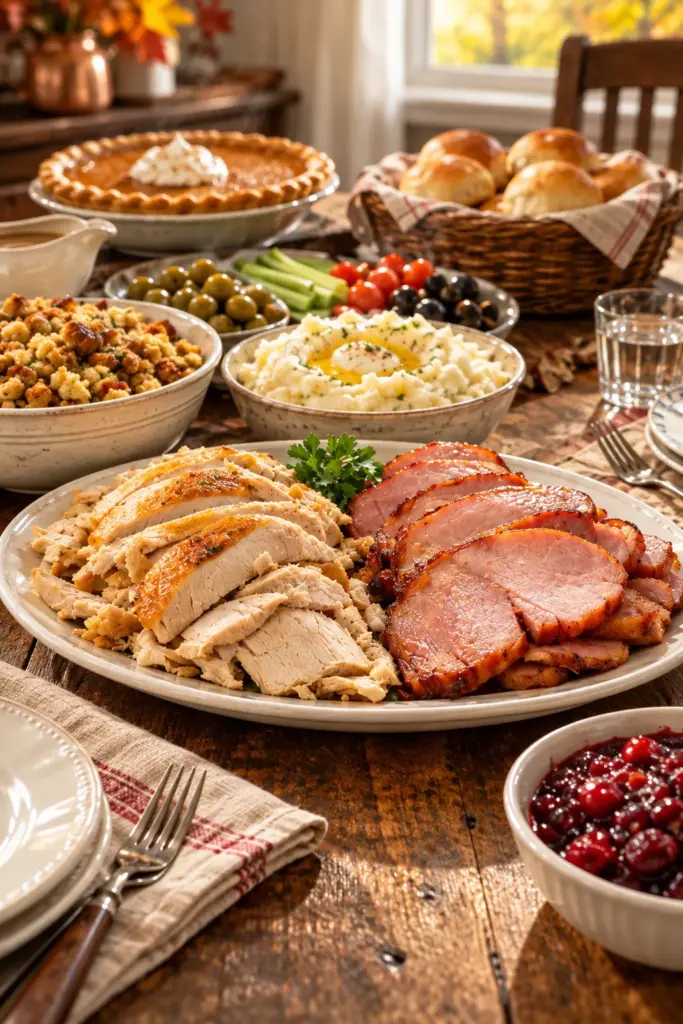
The result the caption leaves out is this: Thanksgiving at my house was better, cheaper, and a whole lot kinder to me than it had been in years. We had one turkey, one ham, two pans of dressing, exactly enough mashed potatoes, a proper relish tray, three pies, two kinds of rolls, and not a single duplicate green bean casserole. Best of all, I sat down while the food was still hot, with my apron off and my blood pressure where it belonged.
I finally told my family I was happy to host, but I was no longer willing to shop for, cook, and pay for nearly everything while everyone else breezed in carrying a bag of chips or “forgot” what they’d promised. So I set a simple rule: if they wanted Thanksgiving at my table, they needed to sign up for a dish by October 20th.
What happened after that was so predictable it was almost funny: the eager ones replied within the hour, the procrastinators slid in just before midnight, one person grumbled about being “assigned homework,” and in the end the meal had more variety, my grocery bill dropped by more than a third, and I enjoyed my own holiday for once.
1. Why I finally drew a line in the gravy
I come from a long line of Midwestern women who could feed 18 people from one farmhouse kitchen and still apologize that there “wasn’t much.” For years, I followed that script. I’d buy a 20-pound turkey, a 9-pound ham, 15 pounds of potatoes, 4 pounds of butter, 3 loaves of sandwich bread for dressing, 2 dozen eggs, 8 cans of broth, fresh celery, onions, cranberries, cream, flour, sugar, pie filling, coffee, relish tray fixings, and enough paper goods to outfit a church basement supper.
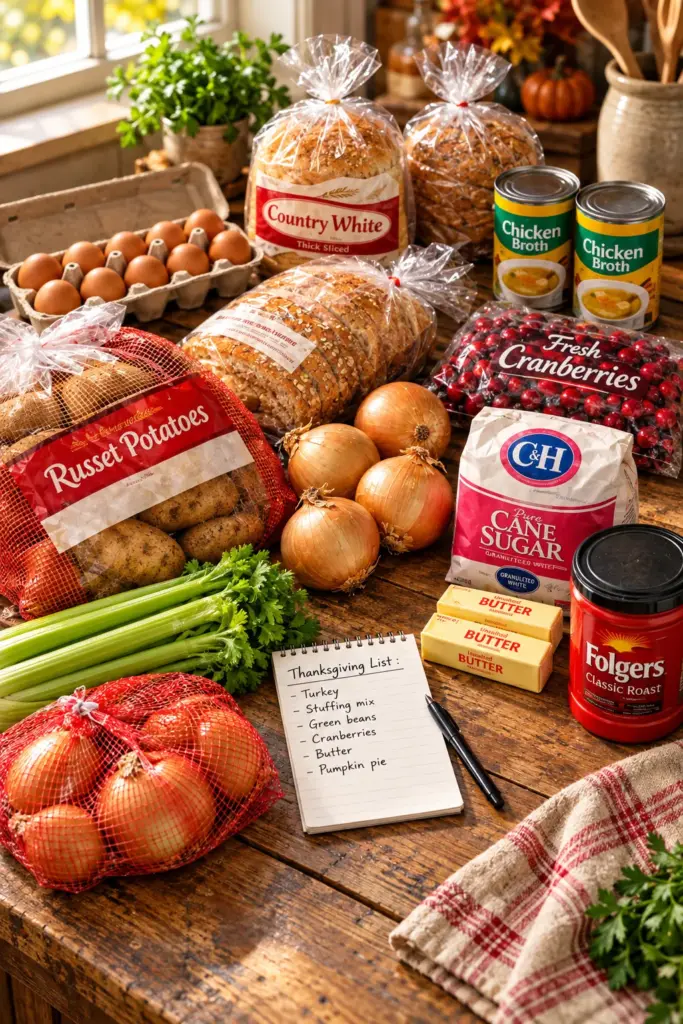
By the Monday after Thanksgiving, I’d be staring at receipts totaling $280 to $360, depending on meat prices, and that was before the electric oven had run half a day and the dishwasher had churned through three cycles.
I don’t mind work. Never have. But I reached a point where “hosting” had quietly turned into “subsidizing and serving everyone else.” At 68, I decided that if I was opening my home, I wanted some shared effort to go with all that family togetherness.
2. The exact message I sent
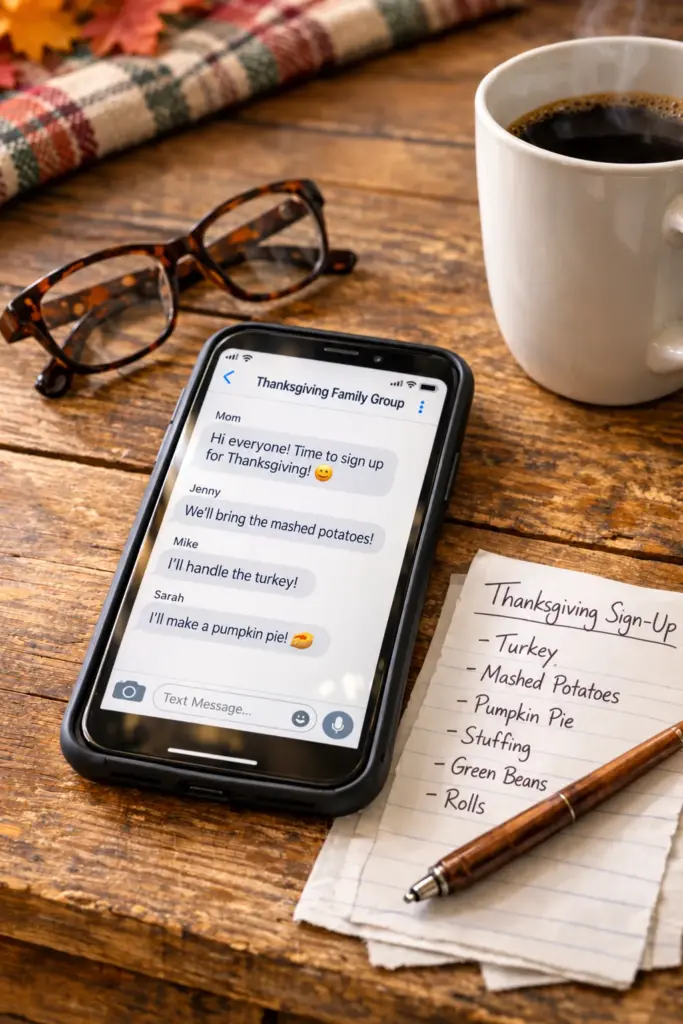
I did not send anything sharp or scolding. That matters more than people think. I wrote: “I’d love to have Thanksgiving here again this year. I’m happy to host, make the turkey, gravy, and dressing, but I need everyone to sign up for a dish, drinks, ice, or paper goods by October 20 so I can plan oven space and avoid duplicates. If I don’t hear from enough folks by then, we’ll scale way back or make other plans. Love you all.”
That little phrase “avoid duplicates” did a lot of heavy lifting. So did giving people non-cooking options. Not every relative can cook, not every schedule allows it, and not every kitchen turns out a respectable pie crust.
But almost anybody can bring 4 bags of ice, 2 two-liter bottles of ginger ale, a 12-pack of sparkling water, or 3 packages of sturdy paper plates if that’s what they can manage.
3. I set up categories instead of a free-for-all
A loose sign-up sheet is how you end up with three sweet potato casseroles and no butter. I learned that the hard way in 2016, when we had five desserts and not enough vegetables for a table of 14. This time, I made categories. One slot for mashed potatoes. One slot for sweet potatoes. Two vegetable slots. One salad. One relish tray. Two dessert slots, plus one “extra dessert if you insist.” One rolls slot. One drinks slot. One ice slot. One paper goods slot.
I also included rough serving notes. Mashed potatoes for 12 to 15 people meant about 8 pounds of potatoes or the equivalent prepared amount. A green vegetable needed to serve at least 10. Rolls meant 2 dozen minimum. Dessert meant one 9-inch pie, a 9-by-13 cake, or 24 bars.
Those little numbers save a host from the vague promise of “I’ll bring something,” which too often translates into a grocery-store cookie tray meant for eight.
4. The first wave answered immediately
Within 45 minutes, my oldest daughter had claimed pumpkin pie and deviled eggs. My niece took sweet potatoes. My sister-in-law signed up for a broccoli-cauliflower salad she’s made every November since 1998, and my grandson, who doesn’t cook but tries hard, volunteered for ice and two cases of bottled water.
This is the reliable pattern in most families: the organized people nearly always respond first. They are relieved someone finally made a plan. They don’t resent structure; they thrive on it. In my family, those are the people who keep extra foil in the pantry and know what time the grocery store opens on Thanksgiving Eve. They were not offended. They were grateful.
5. Then came the silence from the usual suspects
For the next 10 days, not much happened. You could have set your kitchen timer by it. There are always relatives who read the message, think, “I’ll answer later,” and promptly let a week slide by. I didn’t chase them on day two. I didn’t send a dramatic follow-up on day five. I simply updated the list when someone signed up and posted it again three days before the deadline.
That second message was practical, not preachy: “Open spots as of today: rolls, one vegetable, cranberry sauce, drinks, paper goods.” People respond better to a short list than a lecture. It turns the whole thing from an emotional standoff into a grocery assignment.
Rural women have known this forever: if you want help, ask clearly enough that nobody can pretend they don’t know what you mean.
6. Yes, somebody grumbled
There is almost always one person who hears “sign up” and thinks “control.” In my case, it was a nephew who said, “Since when do we need paperwork for Thanksgiving?” I laughed, because if you don’t laugh, you’ll say something less charitable. I told him there was no paperwork, just a text thread and a deadline so one person didn’t end up buying food for 17 people alone.
Once I put it in dollars and hours, the grumbling quieted down. I explained that cooking the turkey, making giblet gravy, baking dressing, setting tables for 16, cleaning the downstairs bathroom, and washing roasting pans already took me the better part of two days.
Add a full grocery run and another $300, and hosting stopped being hospitality and started looking like unpaid event management. People may resist a rule, but most can understand arithmetic.
7. The October 20 deadline worked exactly as deadlines do
Three people signed up on October 19. Two more came in on October 20 before supper. One cousin texted at 11:14 p.m. asking whether store-bought rolls counted. I said yes, provided she brought 24 and not 8. Deadlines are useful not because everybody loves them, but because they flush out who is actually coming and who is vaguely hoping it all handles itself.
By the end of that night, every category but cranberry sauce and paper napkins was covered. That gave me nearly five weeks to fill the tiny gaps, compare prices, thaw space in the freezer, and map out oven timing. A host can do wonders with a little certainty. It’s the uncertainty that wears you down, not the roasting pan.
8. What the meal looked like once everyone had assignments
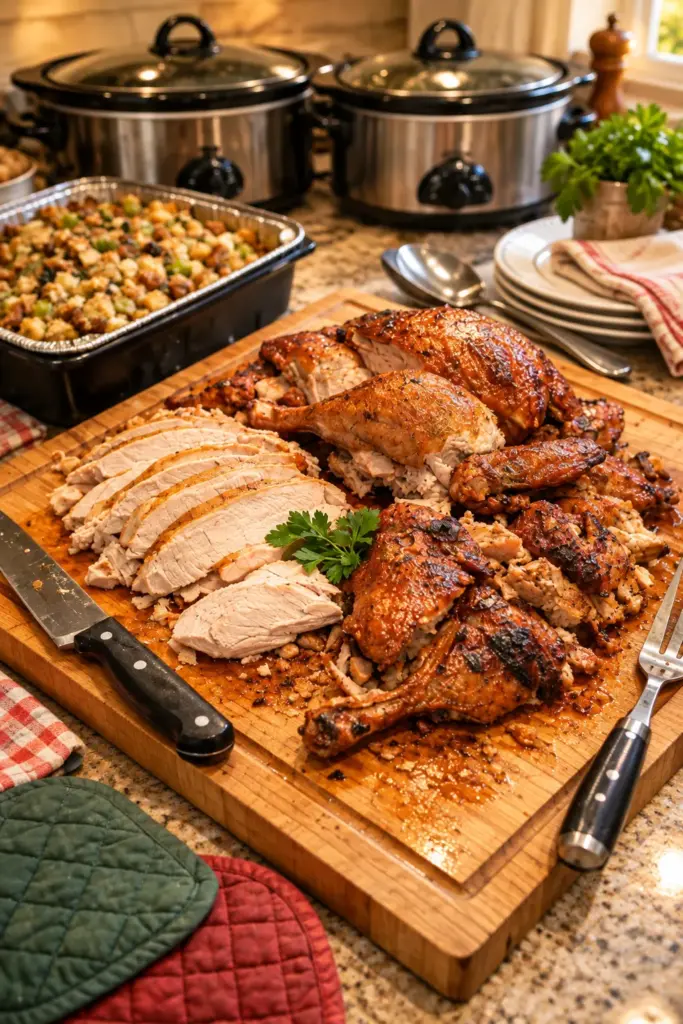
Our final lineup was the kind of balanced table I’d been trying to achieve by myself for years. I made a 21-pound turkey, giblet gravy from the drippings, and two 9-by-13 pans of sage-onion dressing. My daughter brought 18 deviled egg halves and one 9-inch pumpkin pie. My niece brought a sweet potato casserole with pecan topping in a 3-quart dish. My sister-in-law brought a large bowl of chopped broccoli-cauliflower salad. Another niece brought roasted carrots with honey and thyme. My cousin brought 24 Hawaiian rolls and 24 yeast dinner rolls from the bakery. Someone else brought cranberry sauce, and yes, it came in a cut-glass bowl even though it started in a can.
We also had drinks enough for everybody: 2 gallons of sweet tea, 1 gallon of unsweet tea, 12 sparkling waters, 6 bottles of soda, and a fresh coffee pot by 2 p.m. My grandson delivered 4 ten-pound bags of ice and stacked them in a cooler on the porch. One family member covered napkins, foil, and a pack of take-home containers, which turned out to be one of the smartest contributions of the day.
9. My grocery bill dropped, and not by a little
The year before, I spent right around $318 feeding 15 people, and that was with careful shopping and coupons tucked into my purse. This year, because I only bought the turkey, ingredients for gravy and dressing, breakfast items for overnight guests, and a few odds and ends, I spent $186. That is a savings of $132, and I felt every penny of it.
For families feeling squeezed by butter at $4 to $6 a pound and eggs doing who-knows-what from one week to the next, that difference matters. Hosting should not put one person in a financial pinch for the sake of a Norman Rockwell feeling. Shared meals work better when shared costs follow right along behind them.
10. The work was lighter in the kitchen, too
The money was one thing, but the real gift was labor I didn’t have to do. I peeled fewer potatoes, chopped fewer vegetables, washed fewer mixing bowls, and lost that frantic 11:20 a.m. feeling when six things still needed attention. Instead of juggling every casserole dish myself, I was mostly reheating, carving, and pointing people toward outlets for slow cookers.
I still put in a full day, of course. Hosting is hosting. But I wasn’t trying to produce 100 percent of the meal. I’d estimate my active prep time dropped from about 14 hours over two days to closer to 8 or 9.
Those saved hours showed up in the nicest possible ways: a second cup of coffee at 9 a.m., a shower before guests arrived, and ten quiet minutes to sit in the living room and watch the grandkids color turkeys at the coffee table.
11. I actually sat down and enjoyed the meal
This may sound small, but to the person who usually hosts, it is not small at all. I ate while the turkey was still warm. I used a real plate, not a saucer balanced near the sink. I joined the blessing instead of sprinting in from the kitchen halfway through it. I tasted everything, including the carrots with thyme, which I would have missed in previous years because I’d still be whisking gravy.
There is a particular kind of sadness in making a holiday everyone praises while privately feeling too tired to enjoy it. This year, I felt present. That was the whole point of the deadline, if I’m honest. Not efficiency for efficiency’s sake, but enough help that I could be part of my own family gathering.
12. Warmth mattered more than the ultimatum
If I had delivered my rule with a chip on my shoulder, the whole thing would have landed differently. Families can hear resentment through a phone screen. What worked was keeping my tone matter-of-fact and warm. I was not punishing anybody. I was simply telling the truth about what I could and could not carry.
I’ve learned over the years that boundaries go down easier when they are paired with welcome. “I’d love to have you” opens a door. “Here’s what I need in order to do it” keeps that door from landing on your foot. People generally respond better when they feel invited into the solution instead of blamed for the problem.
13. A few practical rules I’ll keep from now on
First, I will always use categories. No more open-ended “bring whatever.” Second, I will keep at least three non-cooking slots available: drinks, ice, and paper goods. Those are lifesavers for relatives who work late, travel far, or simply don’t cook. Third, I will ask for serving size estimates. “Serves 12” is a better promise than “I’ll bring a casserole.”
Fourth, I will keep the deadline at least four to five weeks before the holiday. October 20 worked beautifully for a late-November Thanksgiving because it left room for reminders, shopping lists, and, if needed, a backup plan. Finally, I will reserve the core items that truly matter to me. For me, that’s turkey, gravy, and dressing. Every host has their non-negotiables. Keep those close and let the rest become a family effort.
14. What I’d say to anyone afraid to try this
If you are worried your family will think you are being difficult, let me tell you plainly: most of them already know you do too much. They may not think about it often enough, and they may benefit from your silence, but they know. Giving people a sign-up date does not make you unfriendly. It makes the holiday more sustainable.
Start simple. Pick a date. Offer specific slots. Keep the message kind. If nobody signs up, that tells you something useful early enough to change plans. But in most families, what actually happens is very ordinary. A few people respond right away. A few reply at the last minute. Somebody fusses. Then everyone shows up to a fuller table, the host spends less, and the day runs better than it has in years.
15. The real lesson I took from it
What happened after my little October 20 ultimatum was not a family rebellion. It was a family adjustment. Once I named the problem clearly, people mostly stepped into the space. Not perfectly, not elegantly, and certainly not all at once. But they did it. And Thanksgiving felt more like what it is supposed to be: a gathering, not a performance by one tired woman in the kitchen.
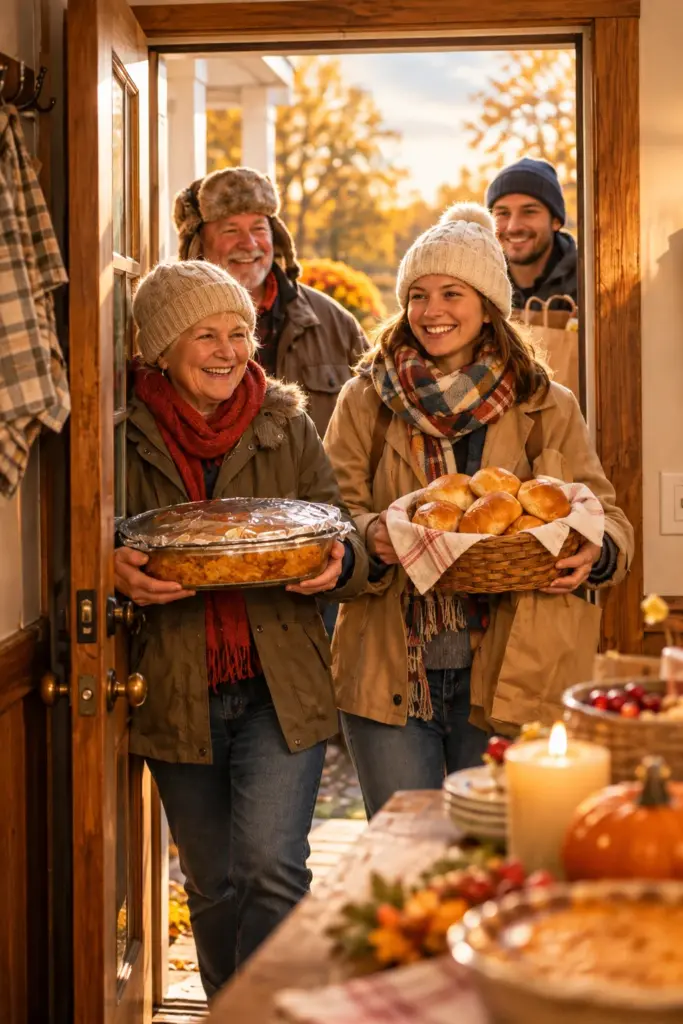
Next year, I’ll do the very same thing. I’ll send the note, make my list, and let everyone claim a piece of the meal. That way the burden doesn’t land in one lap, the table has more variety, and I can do what I wanted all along: open the door, hug my people as they come in from the cold, and enjoy the day right alongside them.