A date printed on a package is useful, but it is not a universal alarm bell. In the United States, most food dates describe when a product should taste its best. Storage, whether the package has been opened, and signs of damage often matter more. Here is a practical guide to reading the label without wasting good food or taking needless risks.
What the words on the label mean
1. “Best By” describes peak quality
“Best By” or “Best if Used By” usually refers to flavor, texture, or appearance. Crackers may lose their crunch and spices may fade after the date, but the date alone does not make them unsafe. Check how the product was stored and whether the packaging is intact.
2. “Use By” is generally a quality date, too
USDA says “Use By” usually marks the last day recommended for peak quality, not a universal food-safety deadline. Perishable refrigerated foods still deserve caution: follow the label’s storage instructions, keep them cold, and use them promptly. Infant formula is the important exception, with a true use-by cutoff.
3. “Sell By” helps the retailer
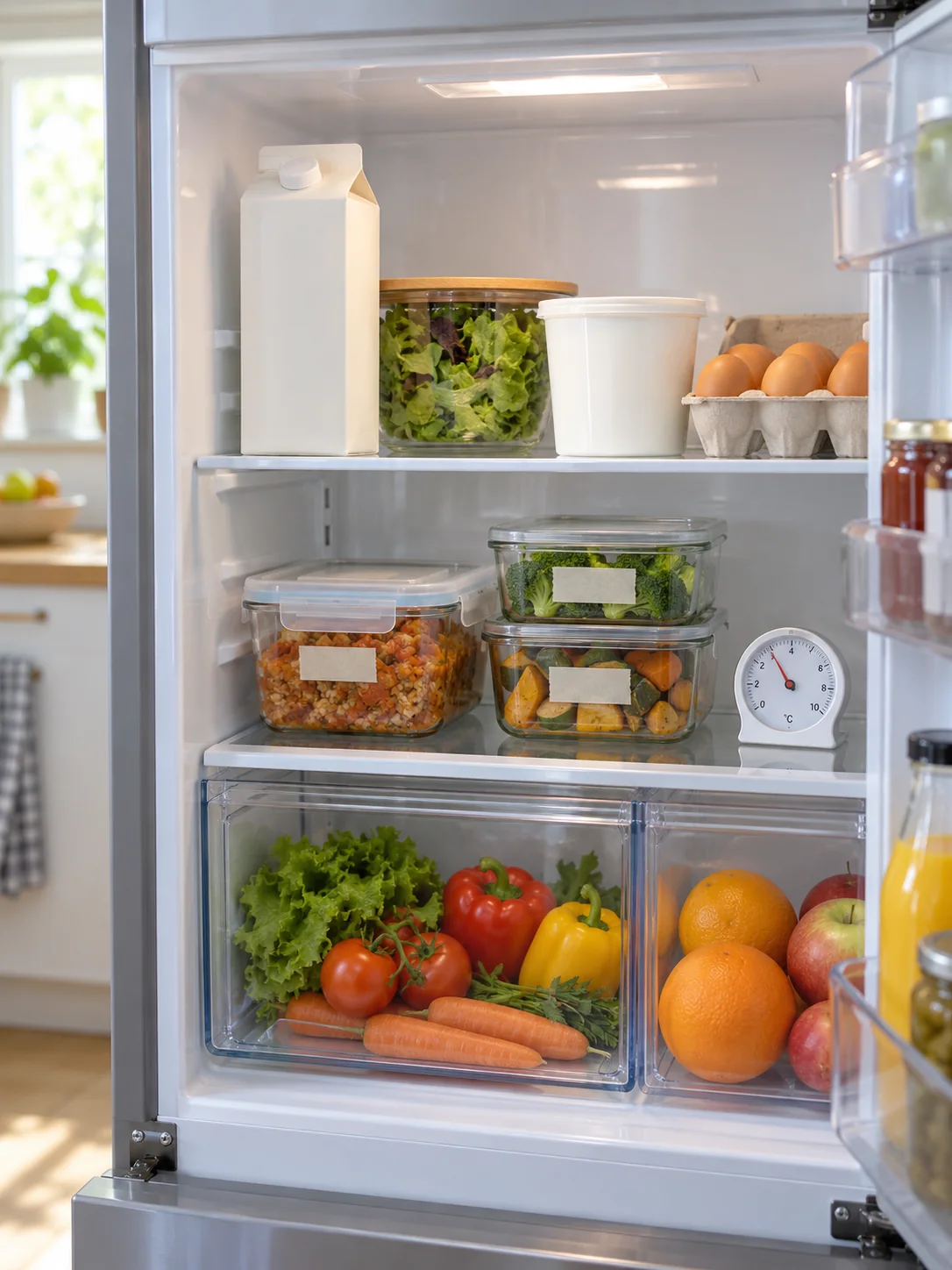
This label tells a store when to rotate stock. It does not mean milk or eggs become unsafe at midnight. Get chilled groceries home promptly and keep your refrigerator at or below 40°F (4°C).
4. “Freeze By” is about preserving quality
Freezing before this date generally helps a food retain its best flavor and texture. It does not replace safe handling. Wrap food well, label the package with the freezing date, and thaw it in the refrigerator, cold water, or microwave rather than on the counter.
Pantry foods: inspect the package first
5. Canned corn
A commercially canned low-acid vegetable can keep its best quality for roughly two to five years when stored in a cool, dry place, according to USDA. The printed date is a quality guide. Do not use a can that is swollen, leaking, punctured, badly rusted, or deeply dented, especially near a seam.
6. Canned green beans
Apply the same can inspection to green beans. A failed seal is more concerning than an older quality date. If liquid spurts out, the contents look abnormal, or the can has serious damage, discard it without tasting it. Harmful contamination is not always detectable by smell.
7. Canned tuna
An unopened, sound can of tuna stored away from heat may remain usable beyond its quality date. Once opened, transfer leftovers to a covered food-safe container and refrigerate them promptly. The unopened shelf life no longer applies after opening.
8. Dry pasta and white rice
Keep these foods sealed, cool, and dry. A date may help you track flavor and texture, while moisture, insects, or an off smell are reasons to discard the food. Brown rice contains more oil than white rice and can become rancid sooner, so rotate it more often.
9. Honey, sugar, and hardened brown sugar
Crystallized honey is not necessarily spoiled. Set the closed jar in warm water and stir once softened. Dry sugar may clump or harden without becoming unsafe; protect both products from moisture and contamination. Never give honey to a child under 12 months.
10. Dried herbs and spices
Spices often lose aroma long before they become a safety issue. Rub a pinch between your fingers; if the fragrance is weak, replace it for better flavor. Store jars away from stove heat and steam.
Refrigerated foods need a different check
11. Eggs: the float test measures age, not safety
An egg floats when its internal air cell grows. USDA notes that a floating egg may still be safe, so the test cannot prove an egg is dangerous or safe. Keep eggs refrigerated in their carton, crack older eggs into a separate bowl, and cook eggs thoroughly. Discard any egg with an off odor or unusual appearance.
12. Milk
There is no dependable “extra week” that applies to every carton after its date. Temperature, handling, and whether it has been opened all affect keeping time. Keep milk on an interior shelf, check the package directions, and discard milk that is sour or curdled. If it has been left unrefrigerated too long, smell is not a safety test.
13. Yogurt
Keep yogurt refrigerated and follow the package’s instructions after opening. Some liquid on top can be ordinary whey, but visible mold or unusual color means discard it. Do not rely on a fixed number of weeks beyond the printed date for every brand and storage history.
14. Bread
The date often predicts softness. Freeze bread you cannot finish soon, preferably in well-wrapped portions. If mold appears, discard the whole loaf; cutting away the visible spot is not a safe fix for porous bread.
15. Cheese with mold
USDA advises discarding soft cheese with unexpected mold. On a large piece of hard cheese such as cheddar, cut at least one inch around and below the mold without letting the knife touch it, then rewrap the remaining cheese. This does not apply to cheese intentionally made with edible mold.
Freezing, formula, and the date after opening
16. Frozen meat
Food held continuously at 0°F (-18°C) stays safe from bacterial growth, although flavor and texture decline over time. Package portions tightly to limit freezer burn. If the freezer warmed during a power outage, check the food’s actual temperature or remaining ice crystals before deciding what to keep.
17. Infant formula
This is the clear exception to the usual quality-date rule. Do not buy or use infant formula after its “Use By” date. The date helps ensure that its nutrients meet the amounts on the label. Follow the manufacturer’s directions for storage after opening and for prepared bottles.
18. Write down the opening date
A jar or package can have a long unopened shelf life and a much shorter one once opened. Put a piece of tape on the lid with the opening date. Cover leftovers and refrigerate them within two hours, or within one hour when the surrounding temperature exceeds 90°F (32°C).
19. Lot codes are not always expiration dates
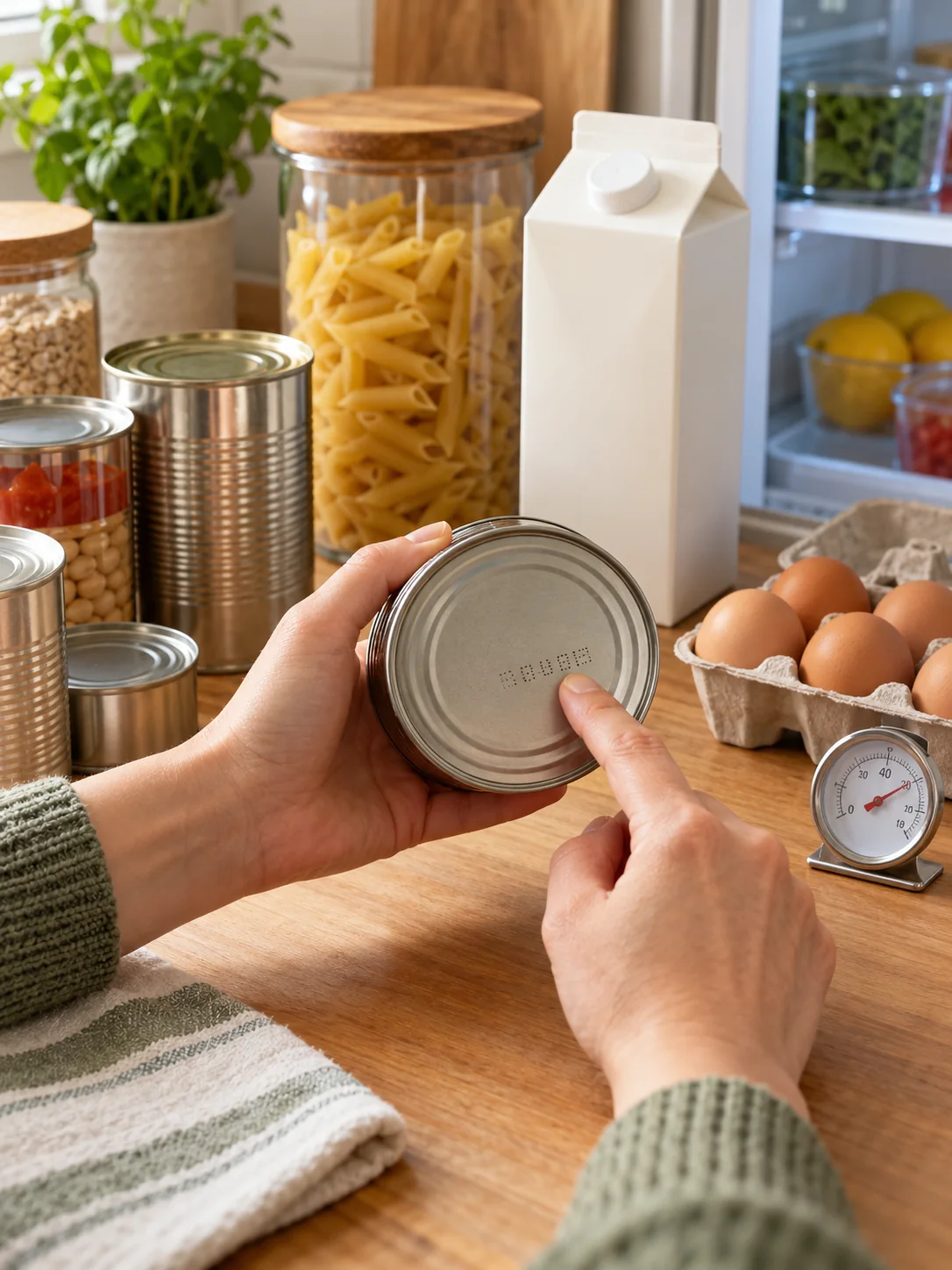
Letters and numbers stamped on cans may identify a production run for traceability or recalls. USDA says these codes are not intended to be interpreted by consumers as “Best By” dates. If a code is unclear, check the manufacturer’s guidance rather than guessing from three digits.
20. Organize the pantry to prevent waste
Store shelf-stable foods in a cool, dry place away from sunlight and heat. Put new purchases behind older ones and review your shelves regularly. A small “use first” area makes it easier to use food while its quality is still high.
The safety rule that matters most
Appearance and smell can reveal spoilage, but they cannot rule out every foodborne pathogen. If a package is damaged, a perishable food was stored too warm, or you cannot establish how it was handled, discard it. Use a refrigerator thermometer rather than trusting the dial alone.
Sources: USDA food product dating, FDA safe food storage, USDA egg float test, and USDA mold guidance.