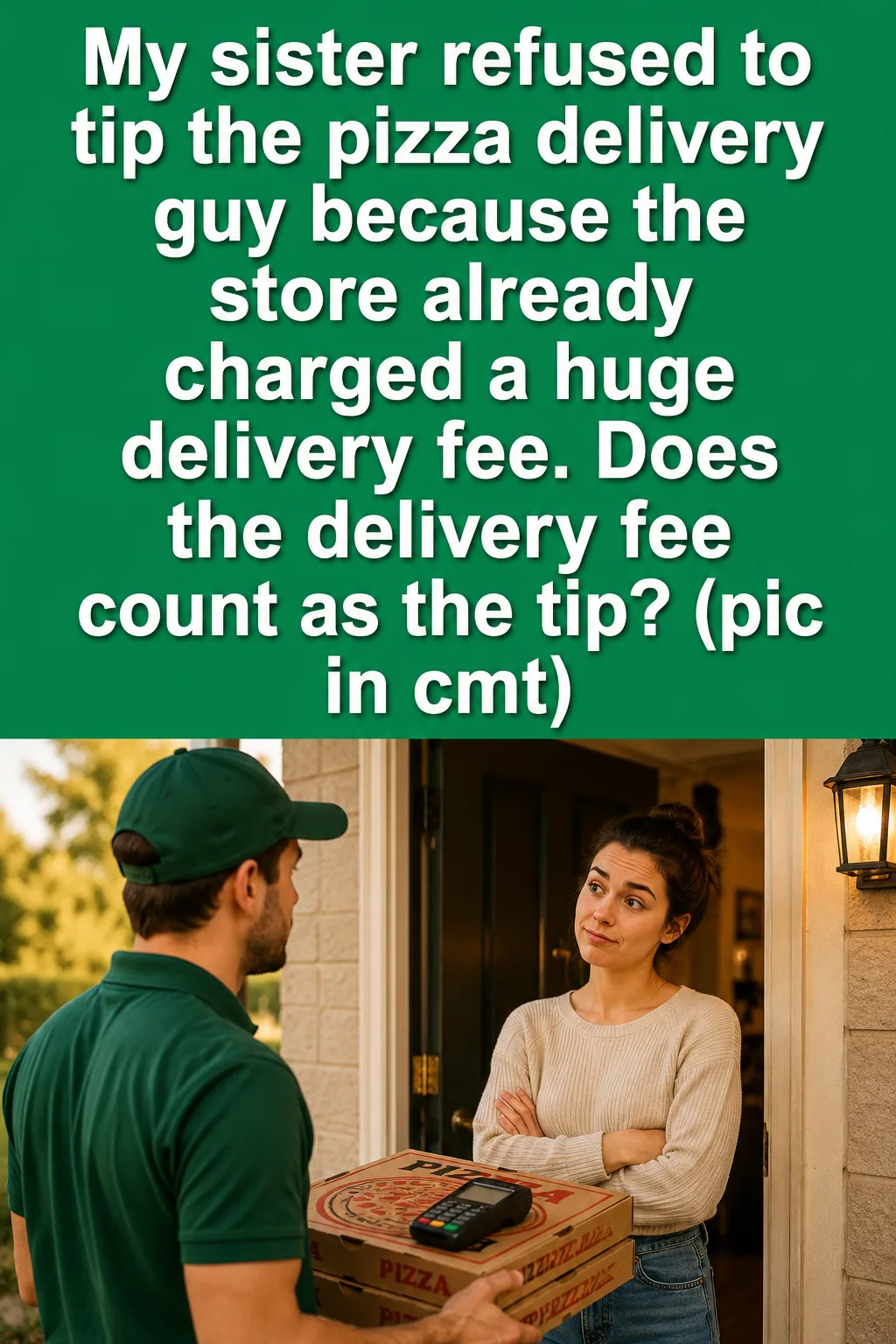
Does the Pizza Delivery Fee Count as a Tip?
You place your favorite pizza order online, add a few extra toppings, and head to checkout. Then you notice an extra charge labeled “Delivery Fee.” It might be $3, $5, or even more.
That raises a common question: Does that fee go to the delivery driver, or should you still leave a tip?
Many customers assume the delivery fee is the driver’s payment. Others believe it’s simply another charge added by the restaurant. The confusion has led to countless debates among friends, families, and even online communities.
Here’s what you should know before your next pizza arrives.
What Is a Delivery Fee?
A delivery fee is an additional charge that many restaurants add to help cover the cost of offering delivery service.
Depending on the business, the fee may help pay for:
- Vehicle expenses
- Insurance
- Fuel costs
- Driver scheduling
- Delivery software
- Credit card processing
- General operating expenses
While every restaurant has its own policies, a delivery fee is not automatically a tip for the driver.
Does the Driver Receive the Delivery Fee?
In many cases, the answer is no—not entirely.
Some restaurants allow drivers to receive a portion of the delivery fee, while others keep most or all of it to offset business costs.
Because policies vary, customers shouldn’t assume that paying a delivery fee means the driver has already been tipped.
Many pizza chains even include a notice on receipts stating that the delivery fee is not a driver gratuity.
Why This Causes Confusion
It’s easy to understand why customers get frustrated.
Imagine ordering a pizza that costs $20. By the time taxes and delivery fees are added, the total may already be much higher.
Then comes the tip screen.
Some people feel like they’re paying twice for delivery.
Others simply don’t know where the delivery fee actually goes.
The lack of clear information makes the situation confusing for everyone.
Why Tips Matter to Delivery Drivers
For many delivery drivers, tips make up a significant portion of their income.
Drivers often pay for:
- Gasoline
- Vehicle maintenance
- Tire wear
- Oil changes
- Extra mileage
A generous tip can help offset these personal expenses.
Without tips, some deliveries may barely cover the driver’s costs.
How Much Should You Tip?
There’s no single rule that fits every situation, but these general guidelines are commonly followed.
| Order Size | Suggested Tip |
|---|---|
| Small order | $3–$5 |
| Average family order | 15%–20% or at least $5 |
| Large or difficult order | 20% or more |
| Bad weather or holidays | Consider tipping extra |
If the driver carries several heavy pizzas, drinks, or travels during rain or snow, many customers choose to leave a little more.
What If the Service Was Poor?
Not every delivery goes perfectly.
If the driver is rude, careless, or significantly late due to reasons within their control, you may decide to reduce the tip.
However, many delays are outside the driver’s control.
These can include:
- Busy kitchens
- Heavy traffic
- Road construction
- Severe weather
- Large order volume
Before lowering the tip, it may be worth considering whether the driver was actually responsible for the delay.
Should You Tip for Every Delivery?
Many etiquette experts recommend tipping for food delivery whenever possible.
Even if a delivery fee appears on the receipt, that charge usually serves a different purpose than a gratuity.
A tip recognizes the driver’s service rather than the restaurant’s operating costs.
Cash or Card?
Both options work well.
Many customers add the tip during online checkout for convenience.
Others prefer cash because it allows them to reward excellent service directly.
If paying cash, having smaller bills ready can make the exchange quicker for both you and the driver.
What About Third-Party Delivery Apps?
Services like food delivery apps often have different payment structures than traditional pizza restaurants.
Drivers may receive a combination of:
- Base pay
- Customer tips
- Promotions
- Incentive bonuses
Even on these platforms, customer tips often remain an important part of overall earnings.
Why Restaurants Charge Delivery Fees
Restaurants face rising costs every year.
Delivery services require:
- Additional staff
- Insurance coverage
- Dispatch systems
- Technology platforms
- Vehicle-related expenses
- Packaging materials
Delivery fees help cover these costs without increasing menu prices across the board.
Tips for Customers
If you’re unsure about tipping, these suggestions may help.
- Read the receipt carefully.
- Check whether it states that the delivery fee is not a gratuity.
- Consider the quality of the service.
- Think about distance and weather conditions.
- Tip based on the driver’s effort whenever possible.
Frequently Asked Questions
Is a delivery fee the same as a tip?
Usually, no. A delivery fee generally helps cover restaurant operating expenses rather than serving as a gratuity for the driver.
Do pizza delivery drivers keep the delivery fee?
Sometimes they receive part of it, but many restaurants keep all or most of the fee.
Should I still tip if I paid a delivery fee?
Many customers and etiquette experts recommend tipping separately because the delivery fee typically does not replace a gratuity.
Is it okay to tip in cash?
Yes. Many drivers appreciate cash tips, although adding a tip during checkout is also common.
Final Thoughts
The delivery fee on your pizza order and the tip for your driver usually serve two different purposes. While the fee helps restaurants cover the cost of offering delivery, it often doesn’t go directly into the driver’s pocket.
If you’re ever unsure, check the restaurant’s receipt or ask about its policy. Understanding the difference can help you make an informed decision the next time your favorite pizza is on its way.
At the end of the day, a little knowledge goes a long way—and knowing where your money goes can make ordering dinner a little less confusing.