Cooking dry beans can be a time-consuming process, but their rich flavor and nutritional benefits make them well worth the effort. For many, the first step involves soaking beans overnight to help them hydrate and cook more evenly. Traditionally, tap water is used for this purpose, but what if there was a better way to prepare these legumes?
As an avid home cook always on the lookout for kitchen hacks that could improve my culinary endeavors, I stumbled upon a suggestion to use club soda instead of tap water for soaking beans. Intrigued by the potential benefits, I decided to give it a try to see if this carbonated twist could make a difference in my next pot of soup.
1. Why I Tried Club Soda Instead Of Tap Water For Soaking Beans
The idea behind using club soda for soaking beans stems from the carbonation. The carbon dioxide in club soda is believed to help soften the bean skins faster than regular water due to its slightly acidic nature. This supposed softening could potentially reduce cooking time and improve the texture of the beans.
Moreover, some sources suggest that the minerals present in club soda, such as sodium bicarbonate and potassium sulfate, might contribute to enhanced flavor and better hydration. To test these claims, I decided to soak one pound of dry navy beans in one liter of club soda, comparing the results to a control batch soaked in tap water.
2. How I Set Up The Club Soda Soak (And What It Looked Like)
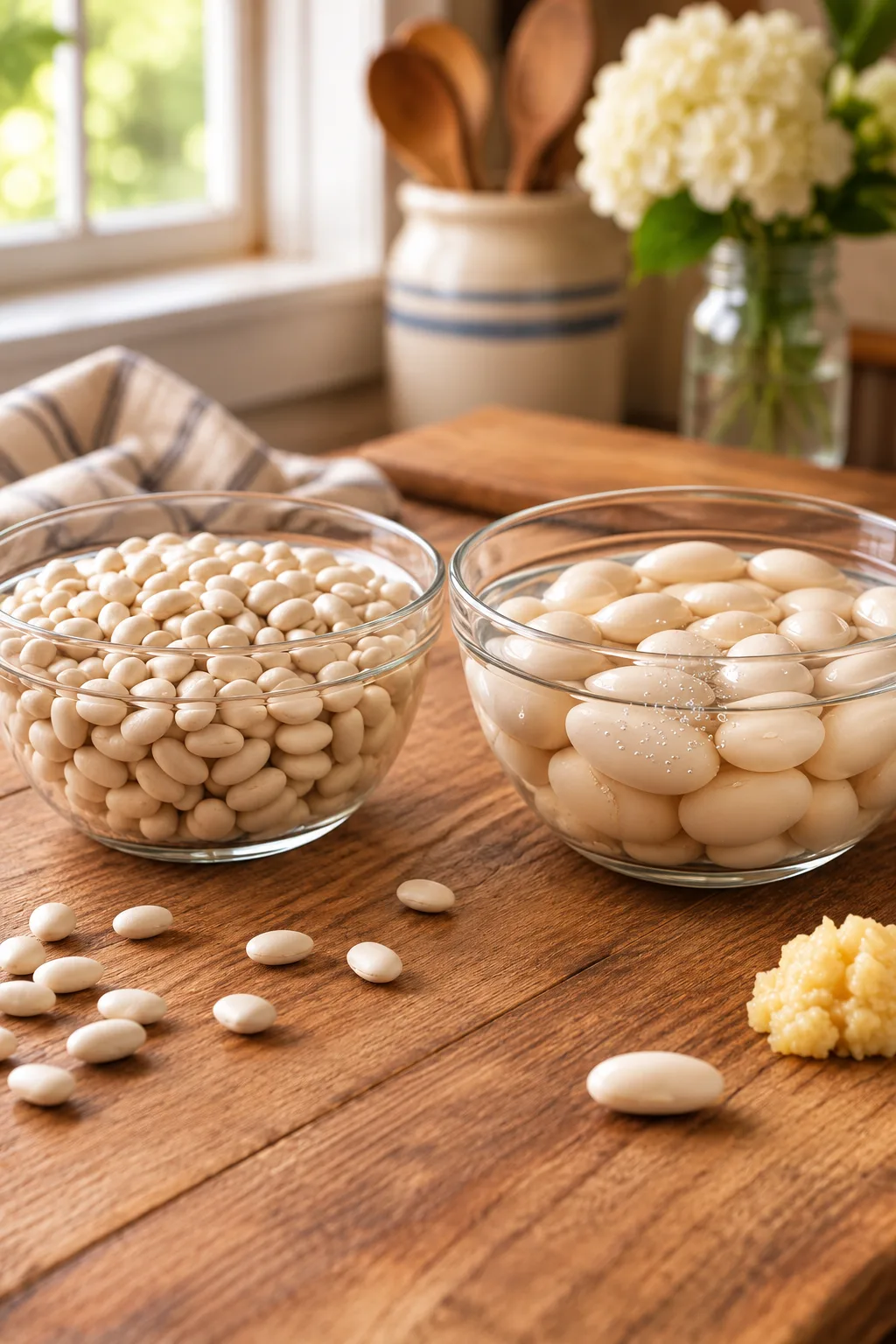
To set up the club soda soak, I poured one liter of club soda into a large bowl and added one pound of dry navy beans. I ensured that the beans were fully submerged, using a plate to keep them under the liquid if necessary. The beans started to bubble gently upon contact with the carbonated liquid, creating a fizzy surface.
I left the beans to soak at room temperature for eight hours, checking periodically to observe any significant changes in their appearance. The club soda retained some of its fizz throughout the soaking period, and the beans appeared to swell slightly more than those in tap water.
3. Did The Beans Hydrate Faster In Club Soda?
After the eight-hour soaking period, I noticed that the beans soaked in club soda had absorbed more liquid, appearing plumper than their tap water counterparts. Measuring the weight of both batches, the club soda beans weighed approximately 10% more, suggesting better hydration.
This observation indicated that the carbonation might indeed facilitate faster absorption of liquid, although the difference was not drastic. However, the visual difference was apparent, with the club soda beans looking slightly more robust.
4. Texture Test: Creaminess, Skin Integrity, And Split Beans
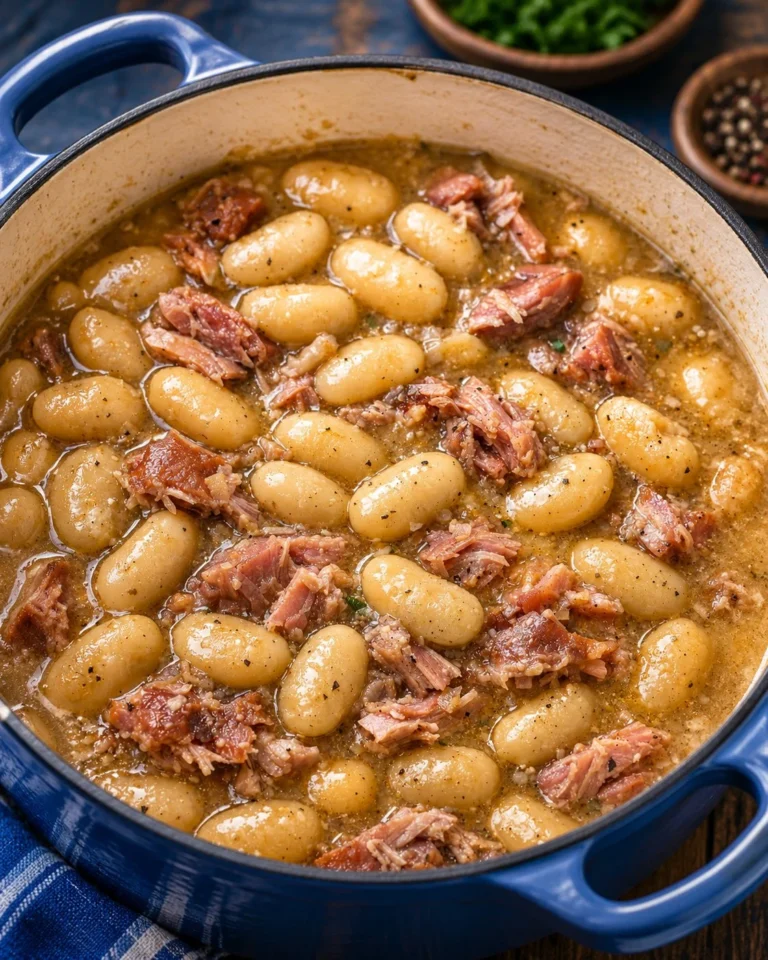
The true test came down to texture, as I wanted to see if the club soda soak translated to creamier beans. During cooking, the beans from both batches softened, but the club soda beans maintained a more consistent texture.
The skins of the club soda beans were less prone to splitting, resulting in a smoother consistency in the finished soup. Additionally, the beans held their shape better, with fewer instances of mushiness compared to the tap water-soaked beans.
5. Flavor Check: Did Club Soda Actually Change The Taste?
One of my biggest questions was whether the club soda would impart any noticeable flavor differences to the beans. After cooking, I conducted a side-by-side taste test. To my surprise, the club soda beans had a slightly enhanced flavor, with a subtle mineral note that was quite pleasant.
This enhancement was not overpowering, but it added a layer of complexity to the soup that the tap water beans lacked. The flavors of the soup’s other ingredients, such as herbs and spices, were also more pronounced, suggesting that the club soda might have helped the beans better absorb these flavors during cooking.
6. Gas And Digestibility: Was There Any Noticeable Difference?
Many people turn to soaking as a way to improve the digestibility of beans and reduce gas production. With the club soda soak, I was curious to see if there would be any noticeable difference in this regard.
After consuming the soup, I monitored any digestive changes. While personal experiences can vary, I did notice a slight reduction in the usual bloating and gassiness often associated with bean consumption. This could be attributed to the club soda’s potential effect on breaking down oligosaccharides, the complex sugars responsible for gas production.
7. Cooking Time: Did The Soup Come Together More Quickly?
One of the purported benefits of using club soda is a reduction in cooking time. After bringing the soup to a simmer, I found that the club soda-soaked beans reached tenderness about 15 minutes faster than the tap water beans.
This reduction in cooking time was consistent with the idea that the carbonation aids in softening the beans more efficiently. For busy cooks, this time savings could be a significant advantage when preparing meals.
8. Visual And Aromatic Differences In The Finished Pot Of Soup
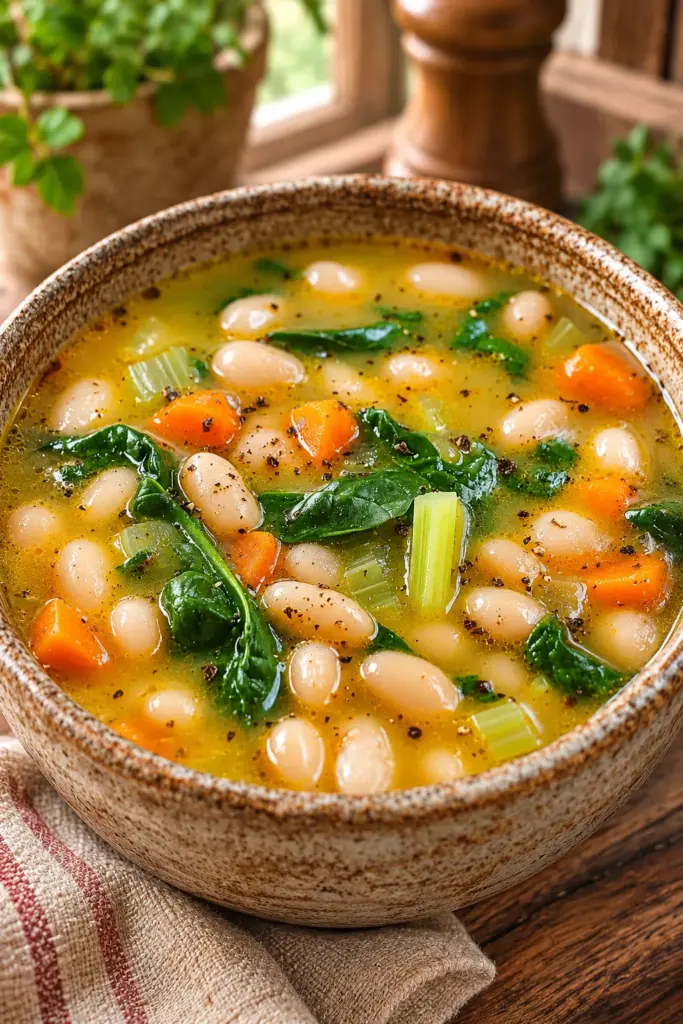
Visually, the soup made with club soda-soaked beans had a slightly more vibrant appearance. The beans maintained their shape and color better, contributing to an aesthetically pleasing dish.
Aromatically, the soup had a more pronounced and inviting smell. The subtle mineral notes from the club soda seemed to enhance the aroma of the other ingredients, making the overall experience more appetizing.
9. Cost, Convenience, And Practical Downsides Of The Hack
While club soda can enhance the soaking process, it is important to consider its cost and convenience. Club soda is generally more expensive than tap water, and depending on the quantity of beans you’re preparing, this could add up.
Additionally, using club soda requires an extra trip to the store, which might not be practical for everyone. For those who prioritize cost-effectiveness and simplicity, sticking with tap water could still be a better option.
10. Would I Soak Beans In Club Soda Again?
After evaluating all the factors, I would consider using club soda for soaking beans again, especially when I am looking to enhance the flavor and texture of a dish. The benefits in terms of texture and flavor were noticeable enough to justify the experiment.
However, for everyday cooking or when preparing large quantities, I might reserve this method for special occasions or when I have club soda on hand. Ultimately, the decision depends on one’s culinary goals and willingness to invest a little extra in their ingredient preparation.