I’m the kind of person who buys onions almost every single grocery trip, because in my house they end up in everything from chili to pot roast to scrambled eggs on a Saturday morning. But if you’ve ever reached into a bag of onions and found one soft, damp, or sprouting way sooner than expected, you know how frustrating it is to toss food you paid good money for. A few weeks ago, I tried one tiny storage change I’d heard about: slipping a plain paper towel into the bag with my fresh onions before putting them away.
Three weeks later, I had a surprisingly clear answer about whether it helped or not. In this article, I’m sharing exactly what I did, where I stored the onions, what changed over those 21 days, and why that simple paper towel made a difference in my kitchen.
I’ll also walk through the best way to store onions, a few mistakes that shorten their shelf life, and some family-friendly tips for using them up before they go bad.
1. Why I decided to try the paper towel trick
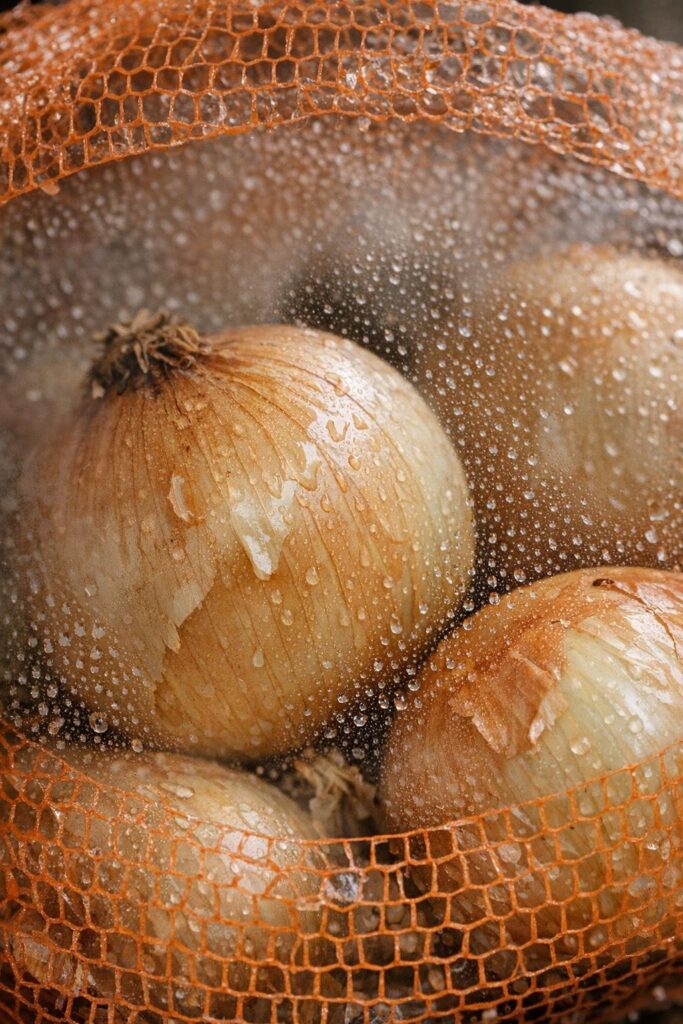
I bought a 3-pound bag of yellow onions, which in my area usually costs between $2.99 and $4.49 depending on the season. We use onions often, but not always quickly enough to get through the whole bag in a week. More than once, I’ve opened the bag and found condensation collecting inside, especially when the weather turns muggy here in the Midwest.
That dampness is what pushed me to try this. The idea behind the paper towel is simple: it helps absorb excess moisture before that moisture settles on the onions and encourages soft spots, mold, or early sprouting. Since onions like a dry, airy environment, I figured it was worth a low-cost test.
2. Exactly how I stored the onions
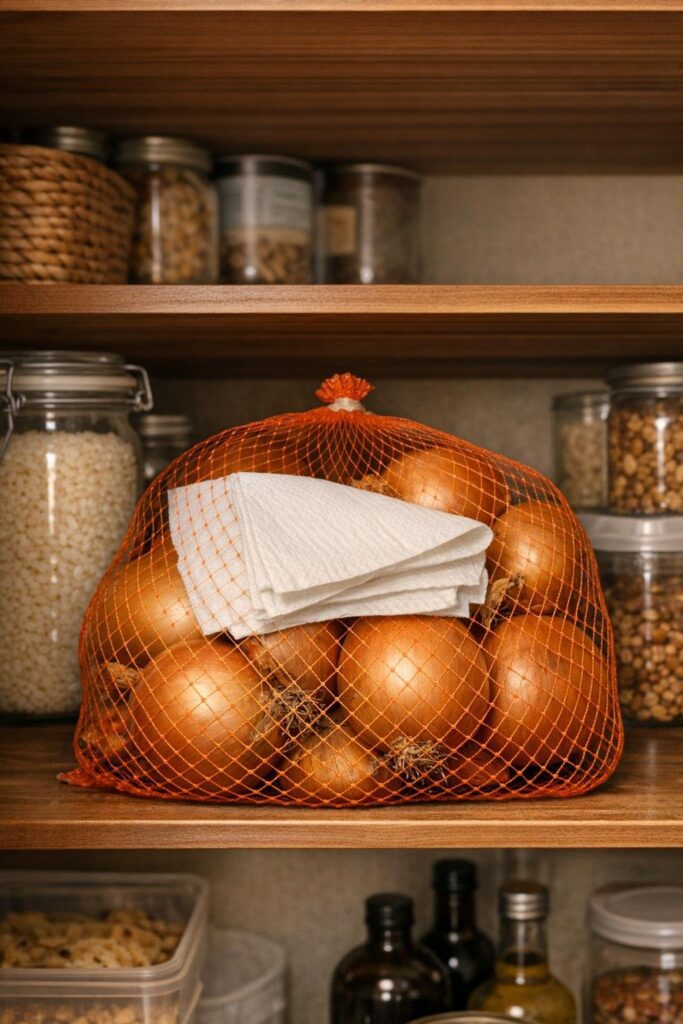
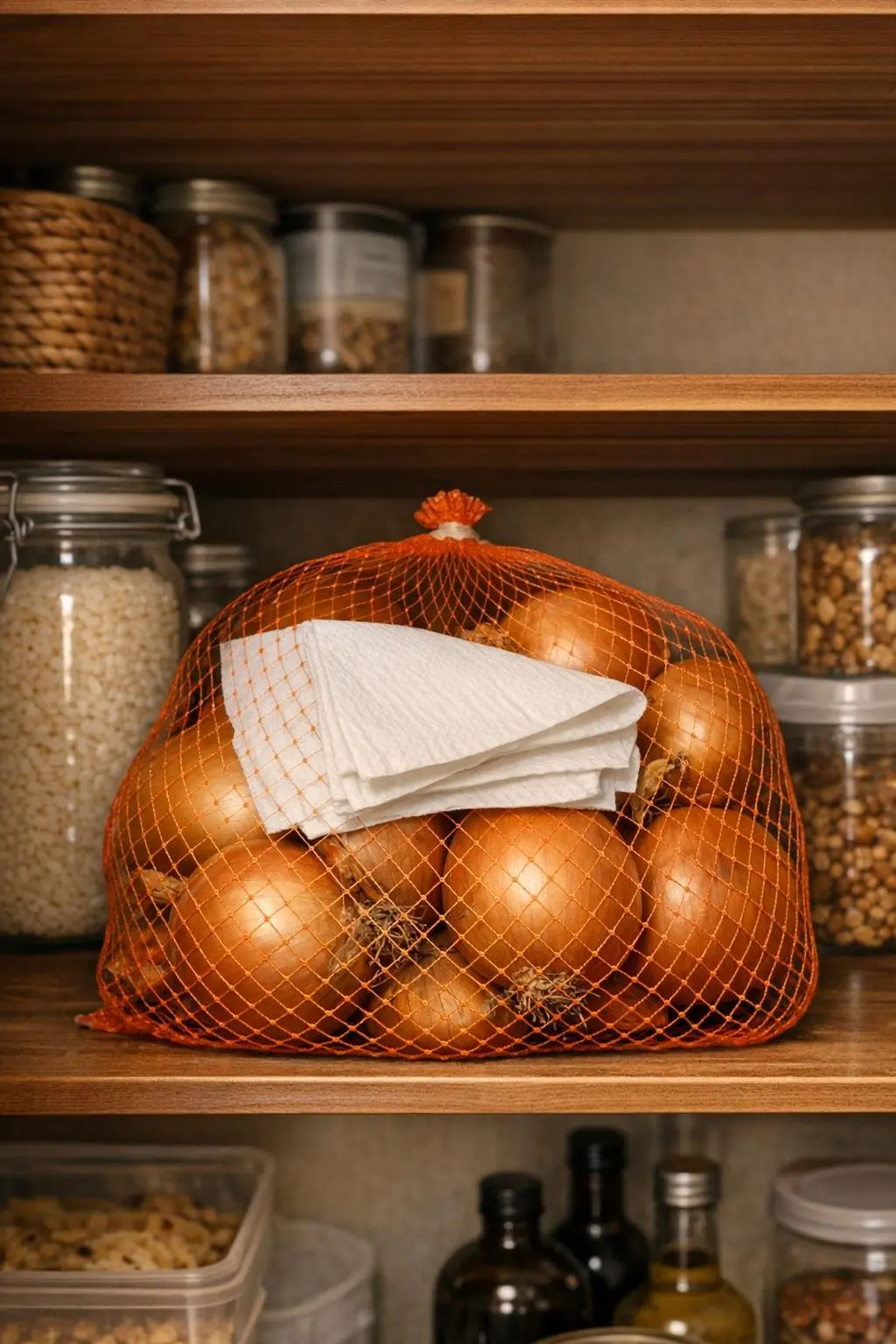
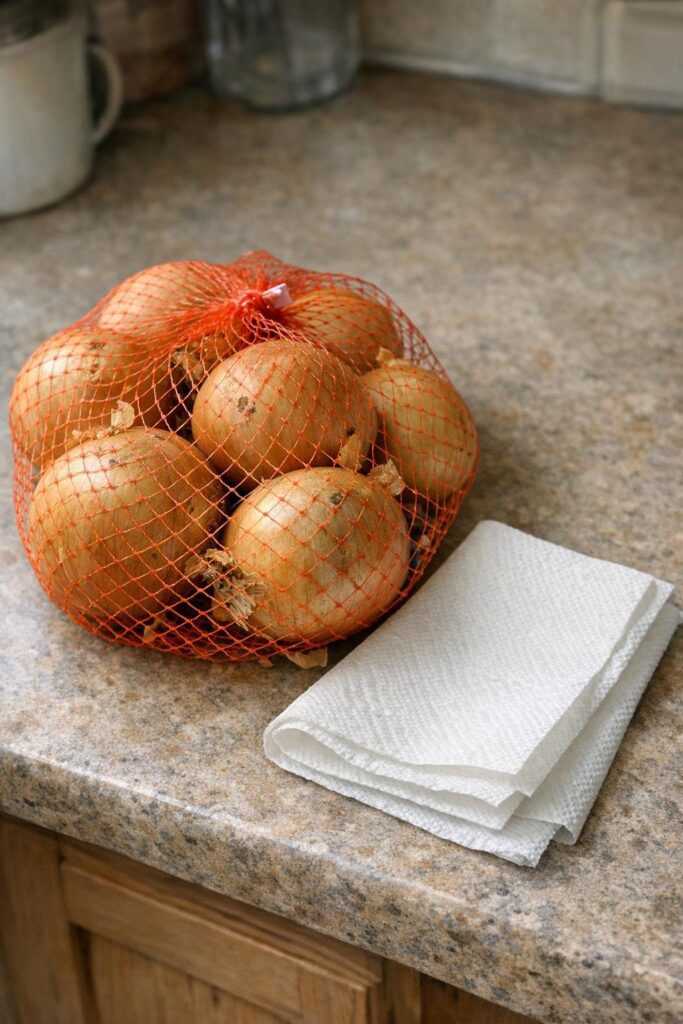
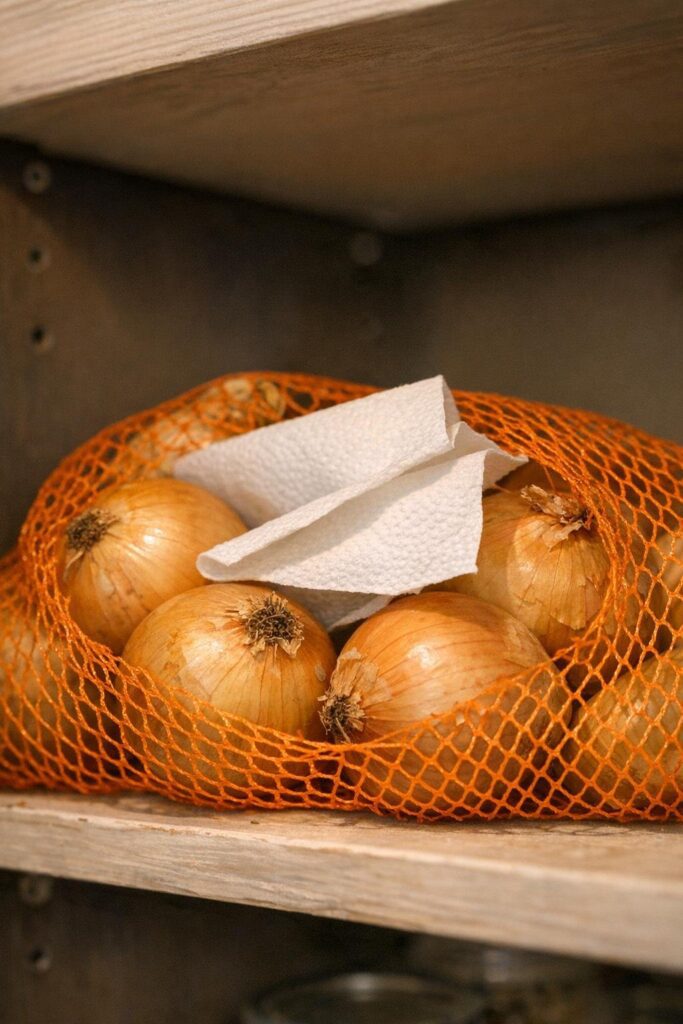
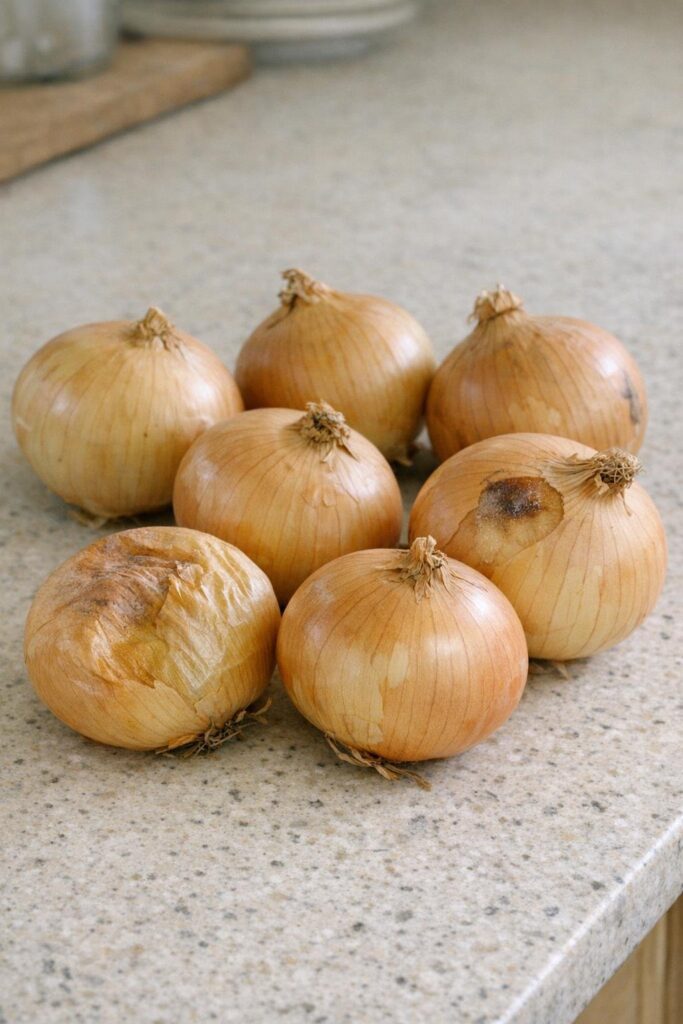
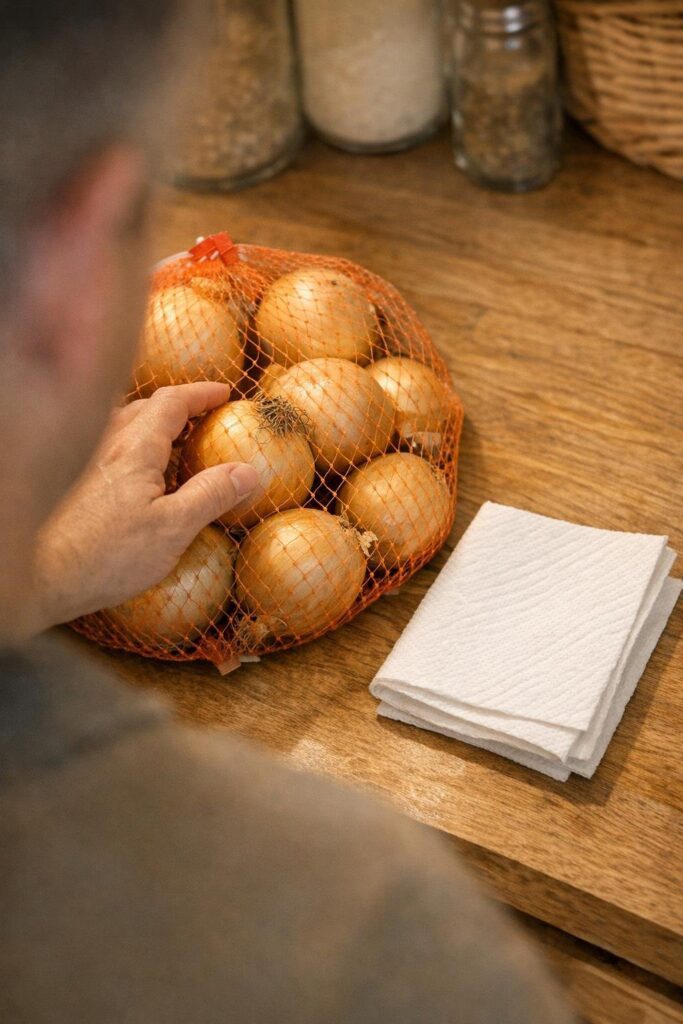
I kept the onions in their original mesh-style produce bag, not a sealed plastic sack. Then I folded one full-size plain white paper towel into thirds and tucked it into the bag so it sat loosely among the onions rather than wrapped tightly around them. I used 7 medium yellow onions, each about 3 to 3 1/2 inches across.
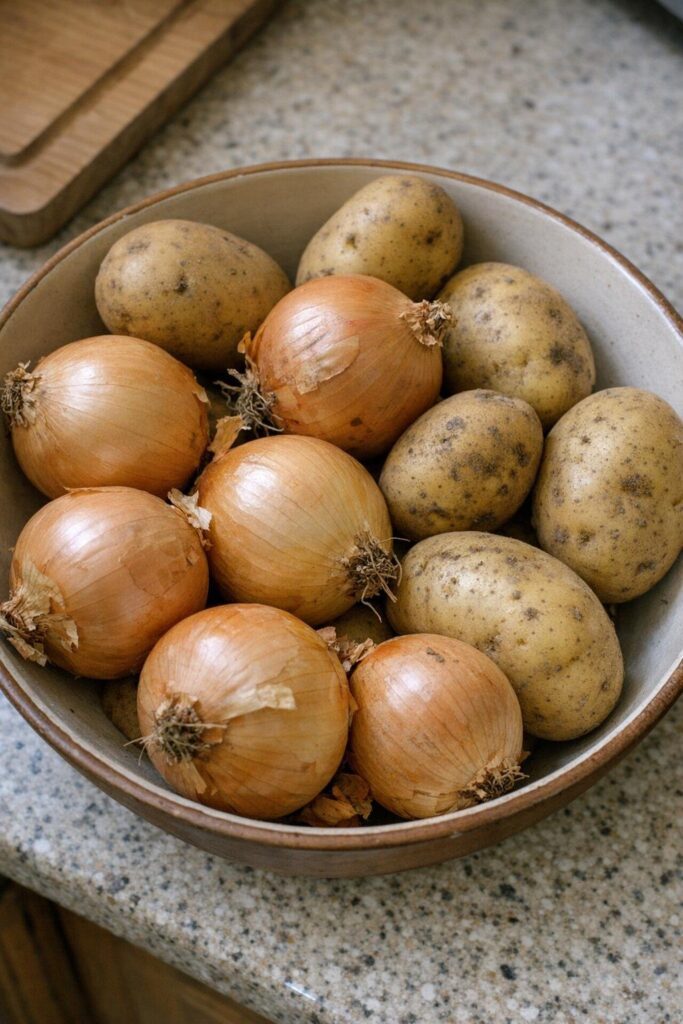
After that, I stored the bag in a cool, dark pantry cabinet off my kitchen. That cabinet stays around 62 to 68 degrees most days and doesn’t get direct sunlight. I did not refrigerate the onions, and I made sure they were not stored near potatoes, because potatoes release moisture and gases that can make onions spoil faster.
3. What the onions looked like on day one
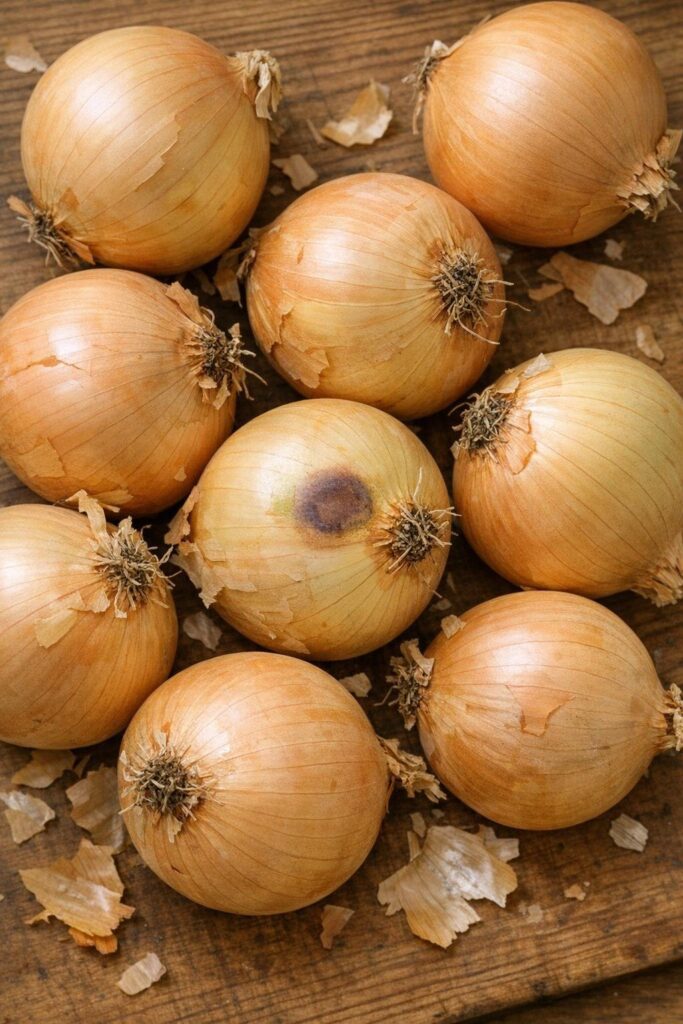
When I first put them away, the onions were in good shape overall. Their outer skins were papery and dry, and the necks felt firm. One onion had a tiny surface bruise about the size of a dime, but nothing major. There was no visible mold, no smell beyond that normal onion scent, and no moisture inside the bag.
This part matters more than people think. A paper towel can help manage moisture, but it won’t rescue onions that are already half-spoiled. If you start with onions that feel heavy, firm, and dry, you’re much more likely to get good results.
4. What happened after the first week
At the 7-day mark, I checked the bag and noticed almost no change. The onions were still firm, and the paper towel felt slightly soft but not wet. That told me it was catching a little humidity from the environment or from the onions themselves, but not enough to create a problem.
I also noticed there was less of that “closed-up produce bag” smell I sometimes get when onions sit for several days. The skins stayed crisp and dry instead of tacky. In my experience, that’s usually a very good sign that storage conditions are working.
5. What happened after two weeks
By day 14, this is usually the point where I begin seeing at least one onion start to soften near the root end. This time, 6 of the 7 onions were still completely firm. The one with the original bruise had softened a little in that exact spot, but it had not spread to the rest of the onion.
The paper towel had become more noticeably damp-feeling than it was at week one, though not soaked. If I were doing this for longer than 2 weeks, I would absolutely swap in a fresh paper towel at this point. That’s an easy extra step that takes less than 30 seconds and helps keep the environment dry.
6. What happened at the three-week mark
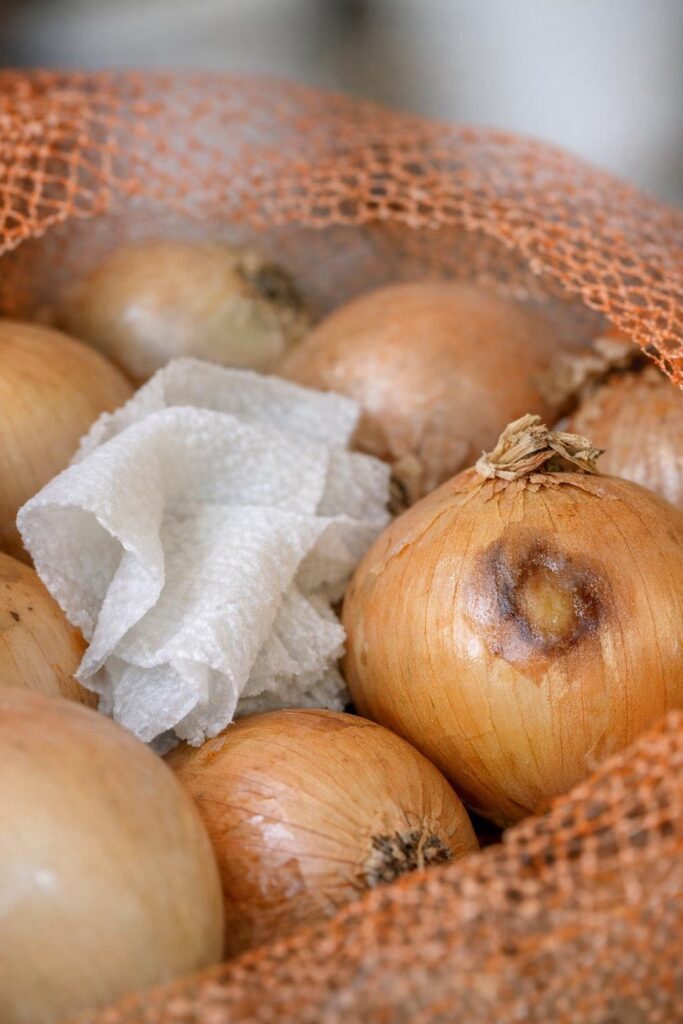
Three weeks later, I was honestly impressed. Out of 7 onions, 5 were still in very good shape: firm, dry, and easy to peel. One onion had a small soft patch, and the bruised one had become softer and was ready to use right away, but it still wasn’t moldy.
The biggest difference I noticed was the lack of widespread spoilage. Usually, once one onion starts breaking down in a bag, the others seem to follow quickly. This time, the onions stayed more stable as a group.
The paper towel had absorbed enough moisture that there was no visible condensation, and the inside of the bag felt much drier than I expected after 21 days.
7. Why the paper towel likely helped
Onions store best in conditions that are dry, cool, and ventilated. Too much humidity invites trouble. A paper towel works as a simple moisture buffer. It won’t perform miracles, but it can catch small amounts of moisture before that dampness sits directly against the onion skins.
That matters because once an onion’s outer layer stays wet, the protective papery skin starts to break down. After that, soft spots can develop fast. In a busy family kitchen, a plain paper towel is one of those practical little helpers that costs pennies and can save a few dollars’ worth of produce over time.
8. The storage mistakes that ruin onions faster
The biggest onion storage mistake I see is sealing them in plastic with no airflow. If onions can’t breathe, even a little trapped moisture can turn into a soggy mess. Another common mistake is storing them beside potatoes. I know it seems tidy to keep root vegetables together, but onions and potatoes really do shorten each other’s storage life.
Heat is another problem. If your onions are sitting near the stove, on top of the fridge, or in a sunny corner, they may sprout quickly. I also avoid washing onions before storing them. Any extra moisture left on the skin gives spoilage a head start.
9. The best type of container to use
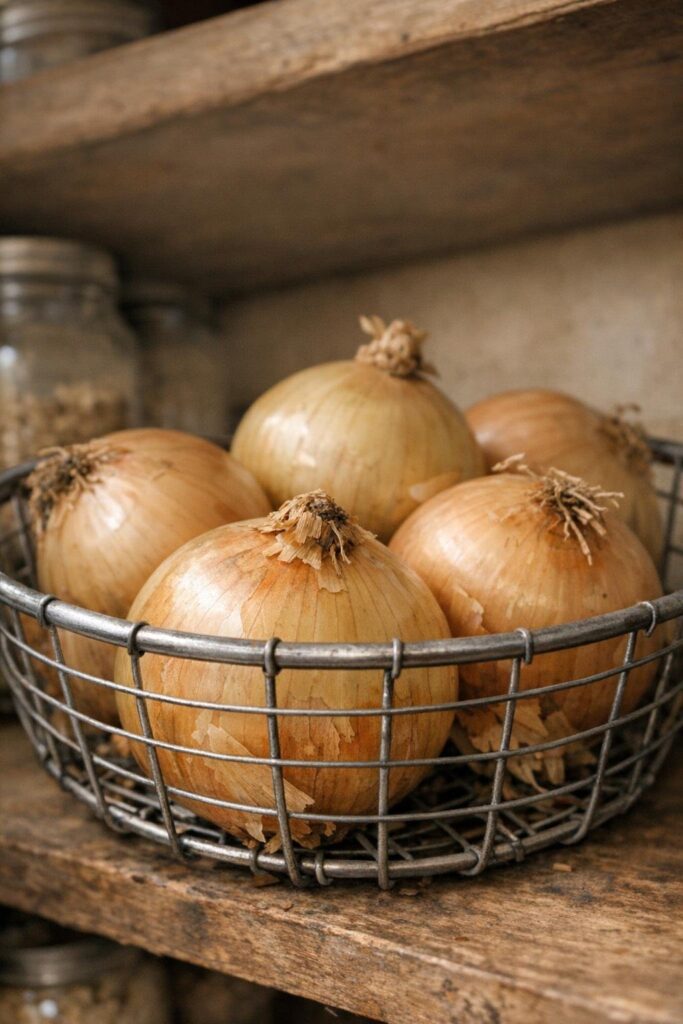
If your onions didn’t come in a mesh bag, a wire basket, open bowl, perforated produce bag, or even a brown paper bag with a few holes punched in it can work well. The key is airflow. I like containers that let me see the onions easily so I remember to check them every few days.
If I’m storing a larger amount, like 5 to 10 pounds from a warehouse store or farm stand, I spread them out more instead of piling them deeply. Too much weight and crowding can bruise the onions on the bottom, and bruised onions always seem to be the first to go.
10. Which onions store longest
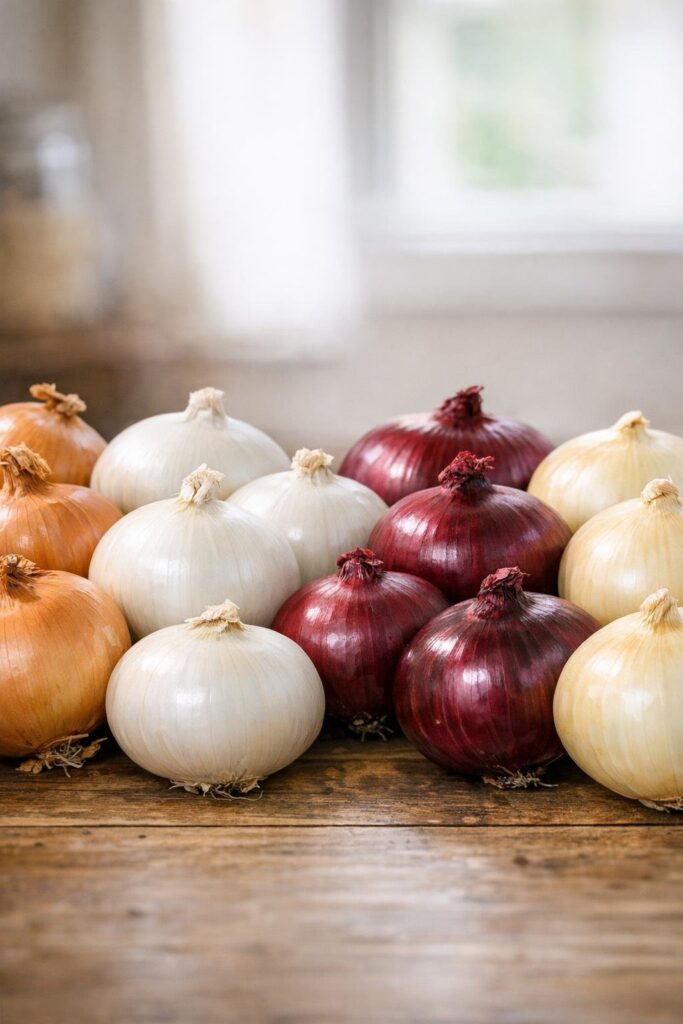
In my kitchen, yellow onions usually hold up the best for long storage, especially the firmer, heavier ones with tight skins. White onions do fairly well too, though I find they can be a little more delicate. Sweet onions, like Vidalia-style onions, tend to have a shorter shelf life because they contain more moisture.
If I buy sweet onions, I make a point to use them within 1 to 2 weeks if possible. Red onions can go either way depending on freshness at purchase, but I still treat them more gently than standard storage onions. If you want the paper towel trick to shine, use it on dry storage onions first.
11. How often to check the bag
I recommend checking stored onions every 5 to 7 days. You don’t need to fuss over them daily, but a quick look can save the whole batch. If one onion begins to soften, leak, or smell strong in a sour way, pull it out immediately and use it that day if it’s still usable.
This is also when I touch the paper towel. If it feels damp, I replace it. In a humid house, you might need a fresh towel once a week. In winter, when indoor air is drier, one towel may last 2 weeks or more.
12. My honest takeaway after 21 days
Did the paper towel make the onions last forever? No. But did it help keep them drier and reduce spoilage over a 3-week stretch? In my experience, yes. For such a small effort, the payoff was absolutely worth it. I had more usable onions at the end of the third week than I usually do.
What I liked most was that this trick didn’t require special gadgets, expensive produce containers, or extra fridge space. It was simply one folded paper towel and a better awareness of moisture. Sometimes the best kitchen tips are the humble ones.
13. A few family-friendly ways to use onions before they turn
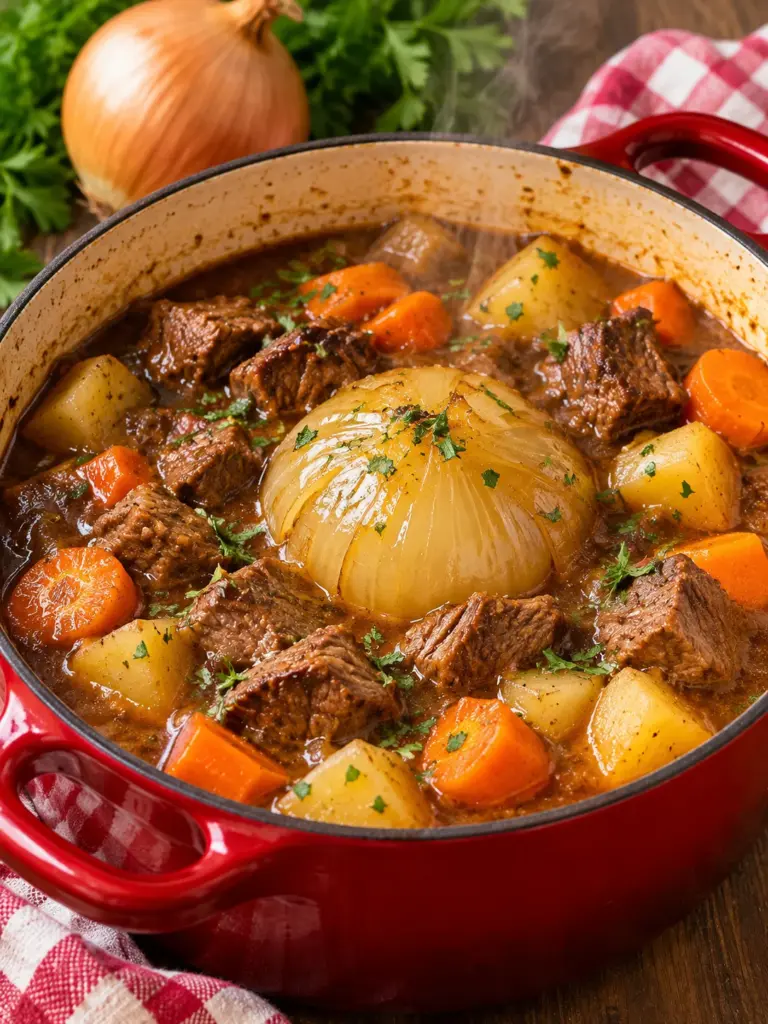
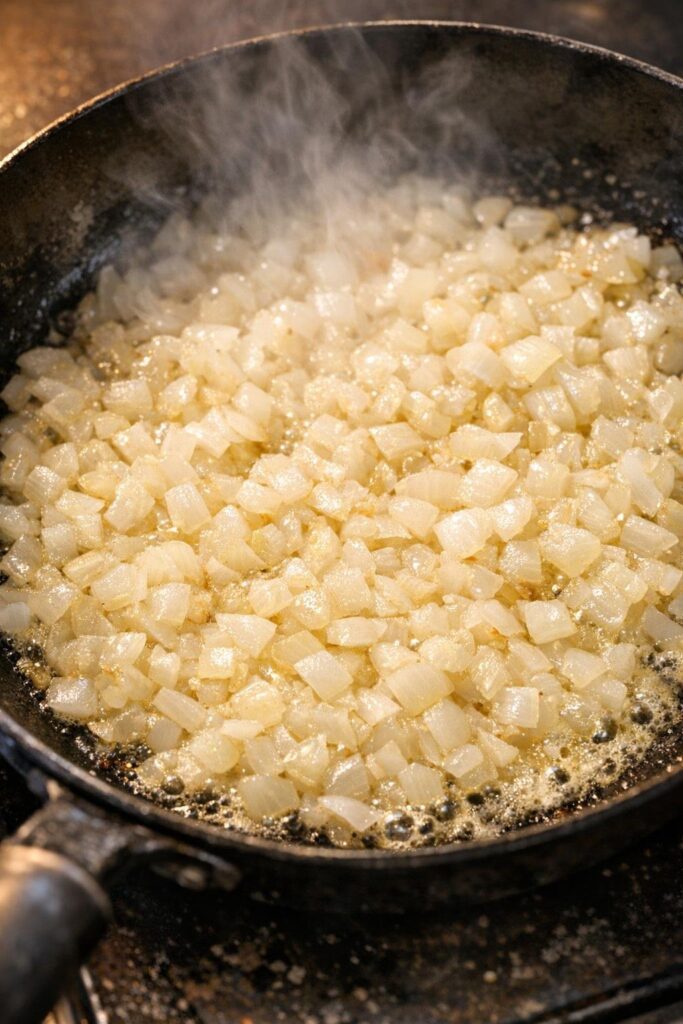
If you notice your onions are getting close to the end, that’s the perfect time to work them into easy meals. I dice 1 to 2 cups for spaghetti sauce, taco meat, meatloaf, beef stew, or chicken soup. For picky eaters, I chop them extra fine and cook them in a tablespoon of butter or olive oil for 8 to 10 minutes until soft and sweet.
You can also slice onions and freeze them in 1-cup portions for future cooking. I do this when I know I won’t get through the whole bag. Frozen onions aren’t ideal for fresh salads, but they’re wonderful for casseroles, soups, and skillet meals on busy school nights.
14. The simple method I’ll keep using
From now on, when I bring home a fresh bag of onions, I’m going to do the same routine: inspect each onion, remove any bruised ones to use first, tuck in a clean dry paper towel, and store the bag in a cool, dark, ventilated spot. Then I’ll check it weekly and replace the towel if needed.
For my household, that’s a realistic system I can stick to. And when life gets busy, those are the kitchen habits that matter most. If you’ve been losing onions to hidden moisture and early spoilage, this little trick is absolutely worth trying. In my pantry, three weeks later, the difference was easy to see.