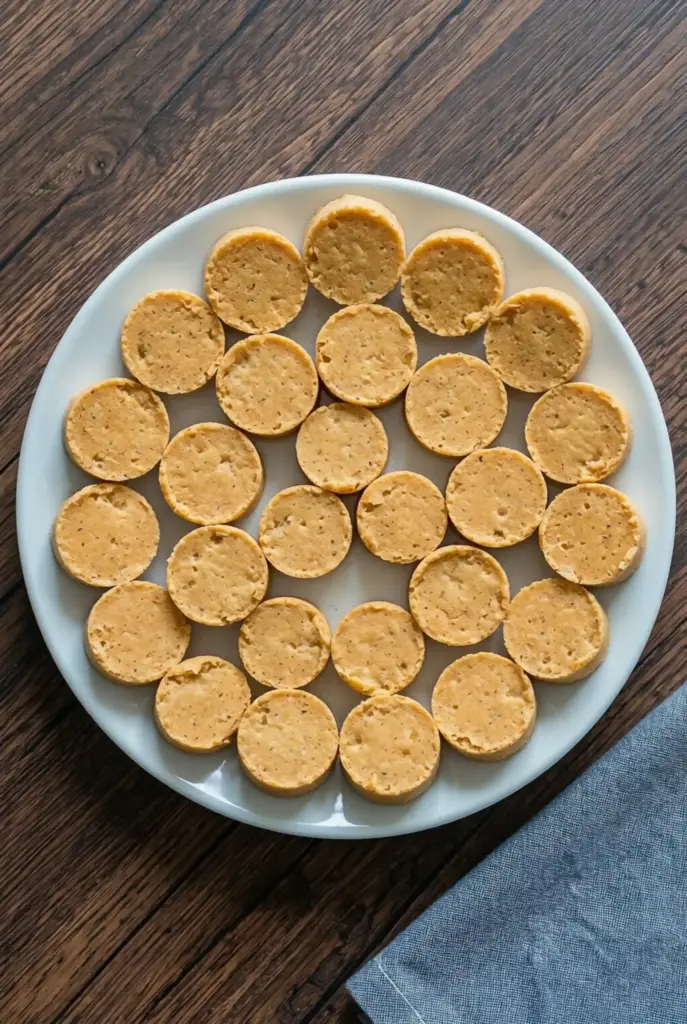
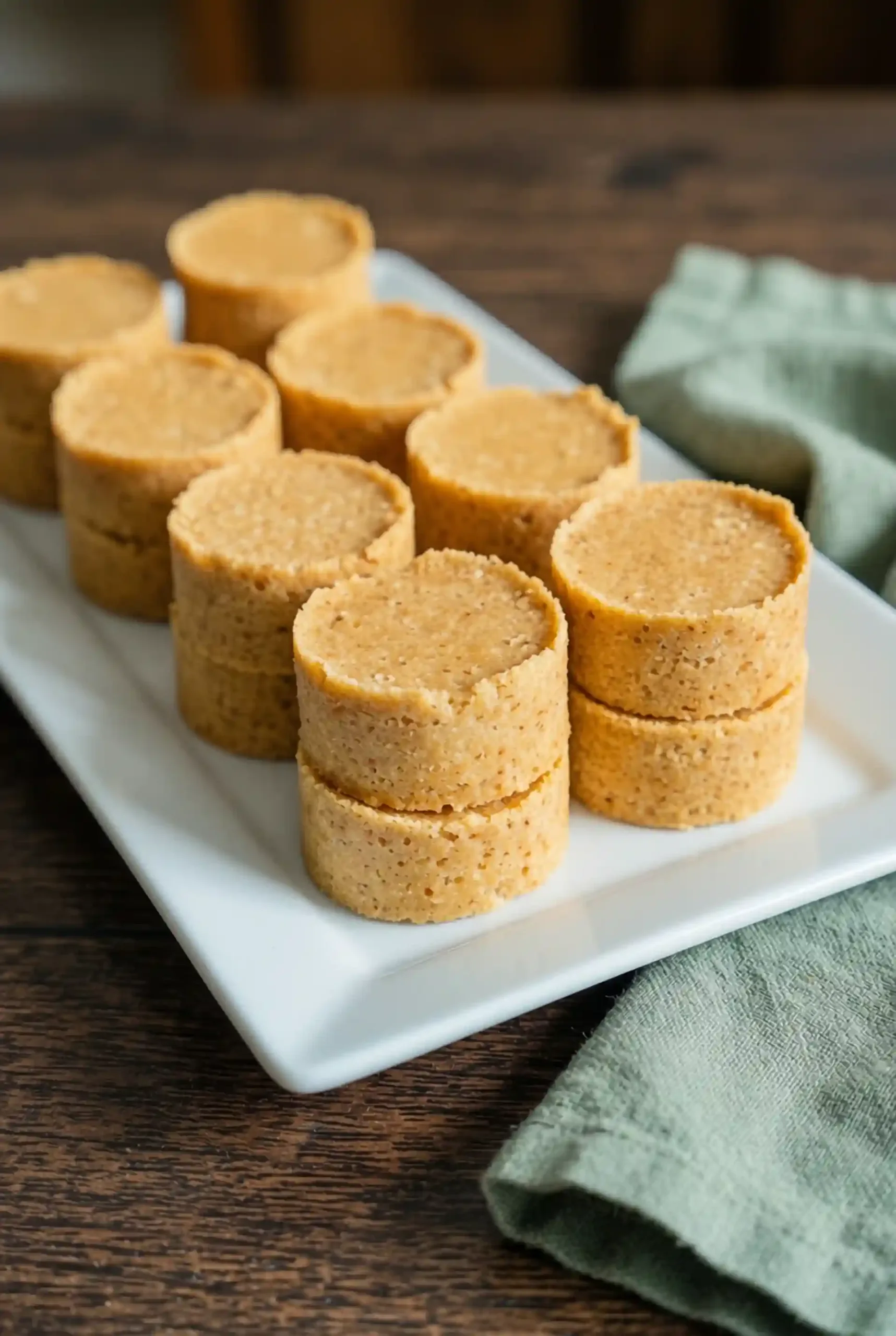
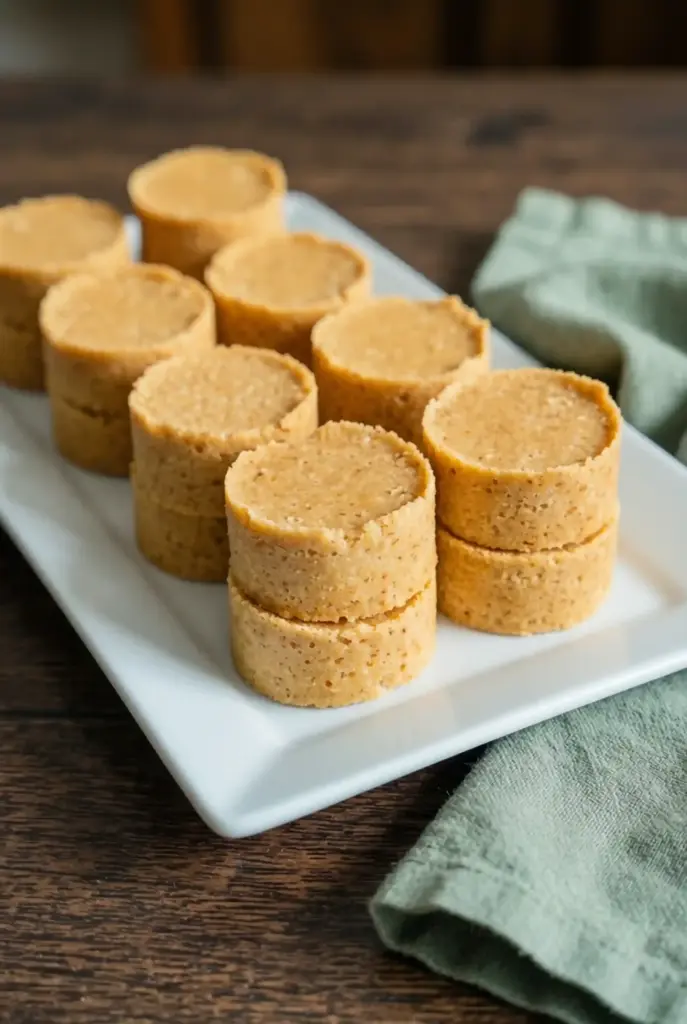
Known across Brazil as paçoca (pronounced pah-SAW-kah), this iconic no-bake sweet turns roasted peanuts, sugar, a pinch of salt, and fine graham cracker crumbs into melt-in-your-mouth peanut cylinders that crumble softly on your tongue like sweet, sandy peanut butter fudge. Unlike brittle or caramel candies that require boiling sugar on the stove,everything comes together in a food processor in ten minutes using five everyday pantry staples.
Pulsing the roasted peanuts just until finely ground—stopping right before their natural oils turn the mixture into creamy peanut butter—is the secret behind that signature tender, sandy texture that holds its shape when pressed into a mold yet dissolves effortlessly with every bite.
Why You’ll Love This Recipe
Forget about standing over a hot stove with a candy thermometer, melting chocolate over double boilers, or waiting hours for pans of fudge to chill. With zero cooking required and just five pantry ingredients, you can press out a whole platter of bite-sized candies in under fifteen minutes.
Whether you are putting together a global holiday cookie and candy tin, looking for an easy no-bake treat kids can help press into molds, or craving a sweet-and-salty peanut snack alongside afternoon coffee, this classic Brazilian favorite delivers bold roasted peanut flavor without feeling overly heavy.
Ingredient Notes
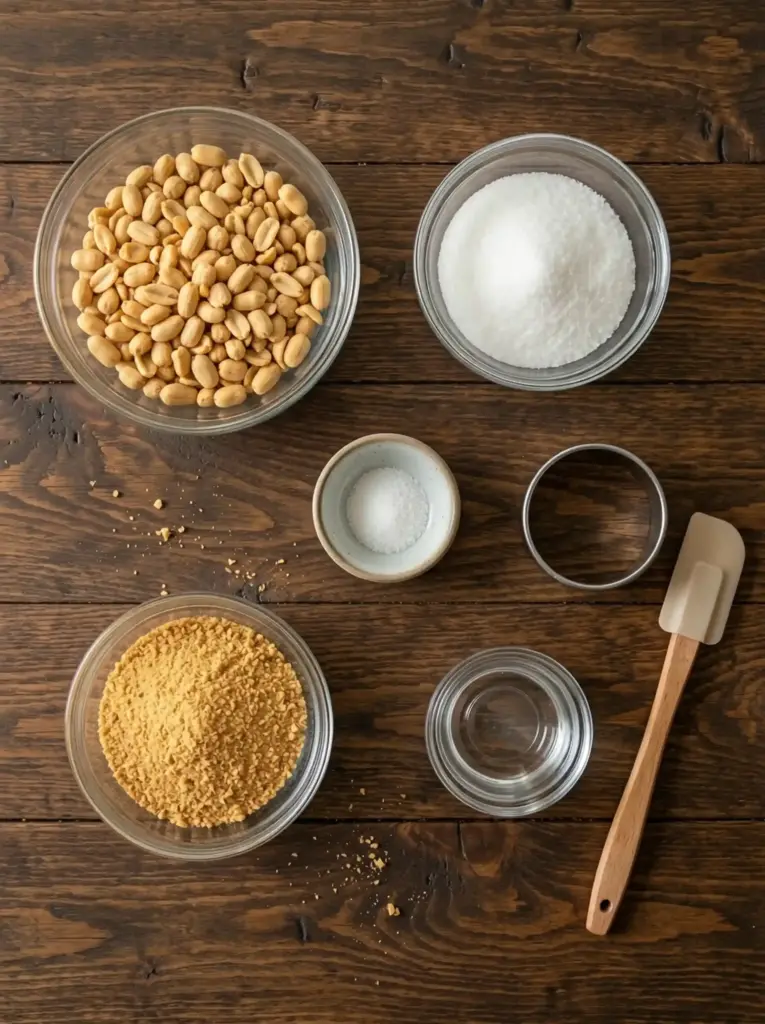
- Unsalted Roasted Peanuts: Two cups of roasted, unsalted, skinless peanuts (or dry-roasted peanuts). Using unsalted peanuts lets you control the exact sweet-and-salty balance while the natural peanut oils bind the candy together when pulsed.
- Granulated Sugar: Three-quarters cup of granulated white sugar. Grinds together with the peanuts in the food processor into a fine, sandy sweetness that dissolves cleanly on your tongue.
- Salt: A pinch of fine sea salt or table salt (about ⅛ teaspoon; omit if you use lightly salted peanuts). Sharpens the deep roasted peanut aroma and keeps the candy from tasting overly sweet.
- Fine Graham Cracker Crumbs: Half a cup of finely crushed graham cracker crumbs (traditional Brazilian paçoca often uses toasted cassava flour, farinha de mandioca, and graham cracker crumbs make an accessible pantry substitute that adds subtle toasted honey-wheat notes and helps hold the pressed shape).
- Water (As Needed): One to two teaspoons of room-temperature water, added a few drops at a time only if the mixture feels too dry to hold firmly together when pinched between your fingers.
How To Make Traditional Brazilian Peanut Candy
Step 1: Place the 2 cups of unsalted roasted peanuts, ¾ cup of granulated sugar, and pinch of salt into the bowl of a large food processor fitted with the standard S-blade.
Step 2: Pulse in short bursts (and run briefly if needed), stopping to scrape down the sides and bottom with a spatula,until the peanuts and sugar are finely ground into a damp, sandy meal—stop immediately before the mixture turns into smooth peanut butter paste.
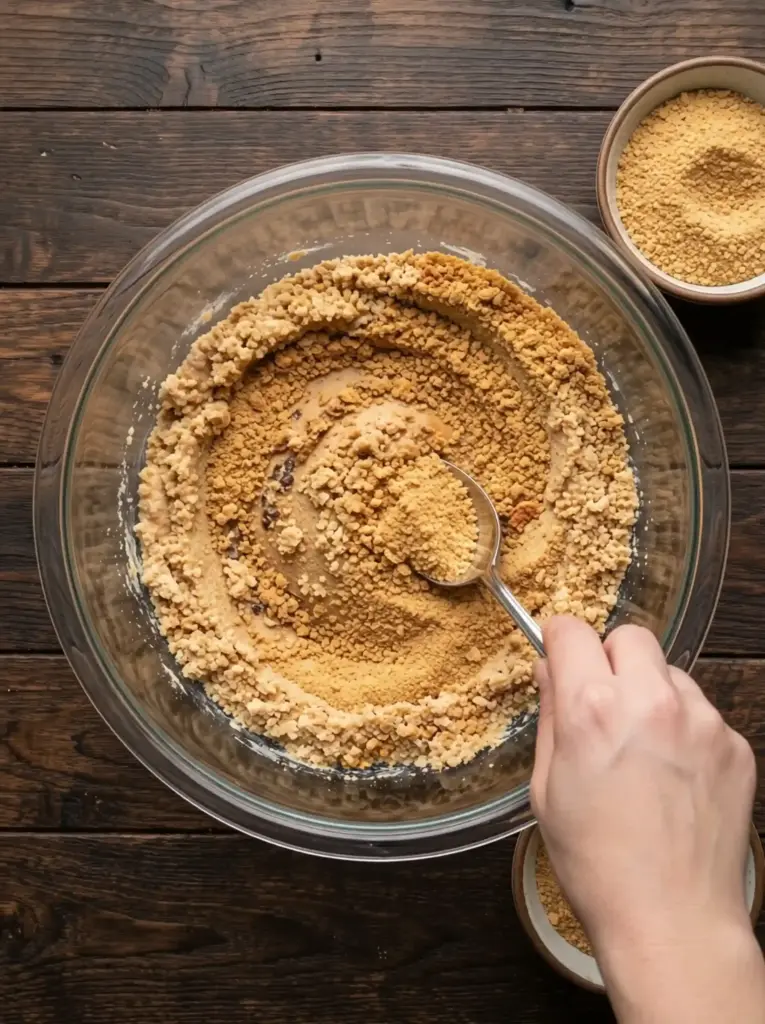
Cook’s Note: Watch the texture closely during the final pulses! You want the ground peanuts to feel like damp beach sand that clumps together when squeezed in your palm, rather than a glossy nut butter.
Step 3: Test a small pinch of the mixture between your fingers; if it feels too dry and crumbles apart instead of holding together cleanly, sprinkle in 1 to 2 teaspoons of water (one teaspoon at a time) and pulse briefly to distribute.
Step 4: Add the ½ cup of fine graham cracker crumbs to the food processor (or transfer the peanut mixture to a mixing bowl and stir in the crumbs by hand) and pulse or stir just until evenly incorporated.
Step 5: Set a small round cookie cutter (about 1½ to 2 inches wide), mini silicone mold, or clean shot-glass-sized ring mold flat onto a parchment-lined plate or baking sheet. Spoon the peanut mixture into the mold, packing it down firmly with the back of a spoon or a small flat tamper until completely compact and level on top.
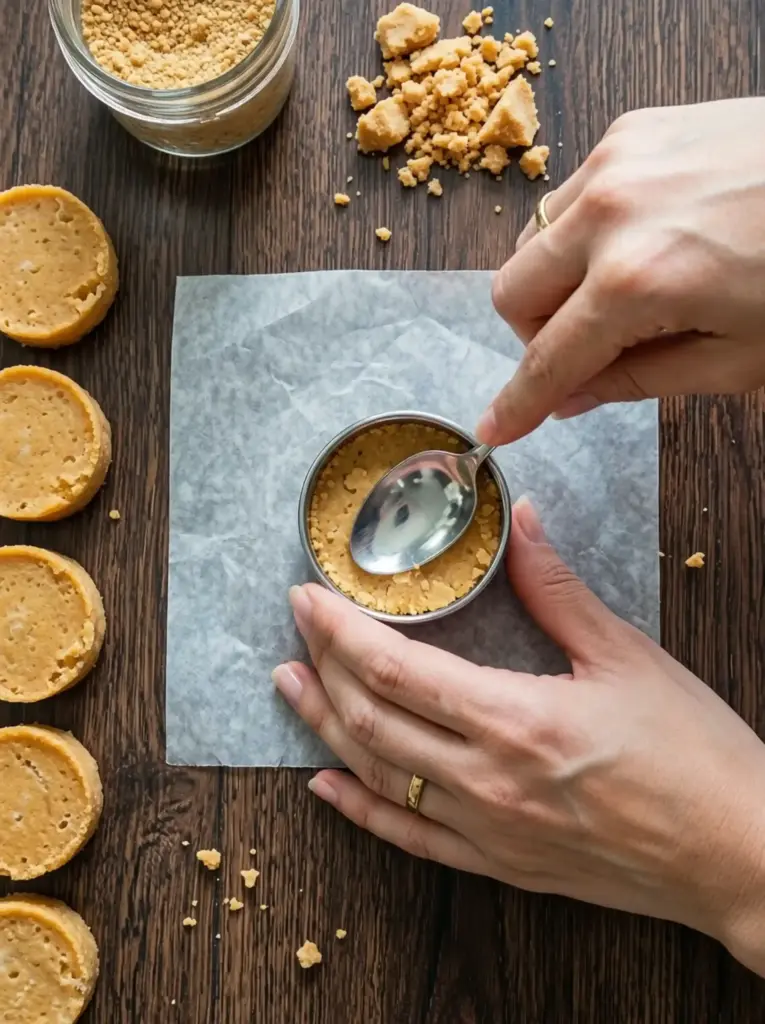
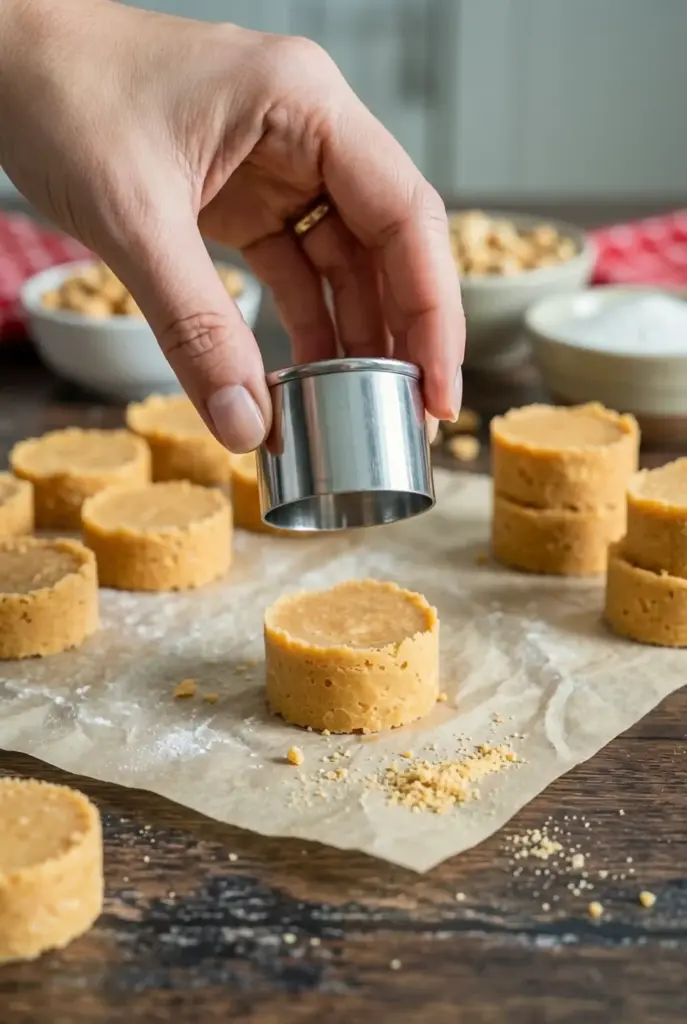
Step 6: Gently lift the cookie cutter straight up (or push the candy softly out from the bottom) to release a neat cylinder of peanut candy. Repeat with the remaining peanut mixture until all candies are shaped, then enjoy right away or store in an airtight container at room temperature.
Recipe Variations
- Chocolate-Dipped Paçoca Bites: Dip the bottoms (or half of each pressed peanut cylinder) in melted semisweet or dark chocolate and let set on parchment paper for a gourmet peanut-butter-cup twist.
- Honey-Roasted Peanut Candy: Use 2 cups of honey-roasted peanuts and reduce the granulated sugar to ½ cup for extra caramelized sweetness.
- Cinnamon-Spiced Peanut Candy: Add ¼ teaspoon of ground cinnamon to the food processor along with the peanuts and sugar for warm bakery spice.
- Gluten-Free Traditional Paçoca: Swap the graham cracker crumbs for ½ cup of toasted cassava flour (farinha de mandioca) or fine almond flour for a naturally gluten-free version.
Storing and Reheating
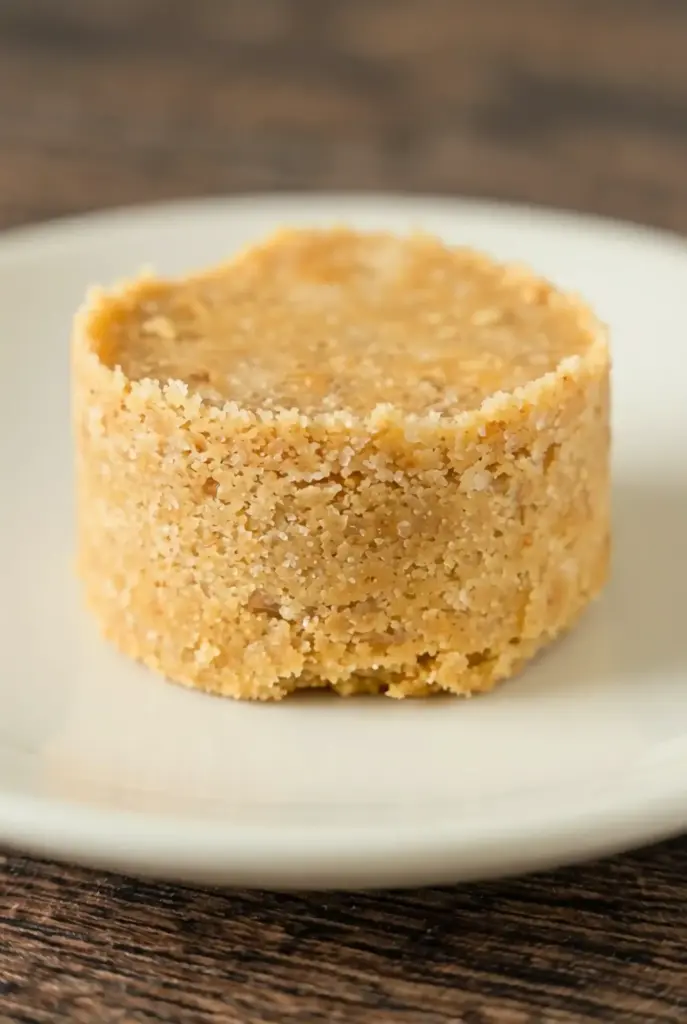
Store Traditional Brazilian Peanut Candy in an airtight container (separating stacked layers with parchment or wax paper so the delicate cylinders keep their neat edges) at cool room temperature for up to 2 weeks, or in the refrigerator for up to 1 month. Because this is a no-bake room-temperature confection, no reheating is needed.
Freezing: Pack shaped candies in a single layer inside a freezer-safe airtight container separated by parchment paper and freeze for up to 2 months. Let thaw at room temperature for 15 minutes before serving.
What To Serve With Traditional Brazilian Peanut Candy
- Hot Espresso, Black Coffee, or Cafézinho: Serve one or two crumbly peanut candies alongside small cups of strong black coffee or espresso—just as they are enjoyed in cafés across Brazil.
- Holiday Candy & Cookie Platters: Arrange alongside saltine toffee, pecan logs, and chocolate truffles for a unique no-bake addition to a festive dessert tray.
- Crumbled Over Vanilla Ice Cream: Crush a piece or two over scoops of vanilla bean or chocolate ice cream for an instant roasted-peanut sundae topping.FAQWhat if I accidentally over-process the peanuts into peanut butter?If the food processor runs a little too long and the peanuts release too much oil, simply stir in an extra 2 to 4 tablespoons of fine graham cracker crumbs (or oat flour) until the mixture firms back up to a packable, sandy dough.What is the traditional Brazilian ingredient used instead of graham cracker crumbs?In Brazil, paçoca is traditionally made with toasted cassava flour (farinha de mandioca torrada) or cornmeal, which absorbs excess peanut oil and gives the candy its classic crumbly bite—fine graham cracker crumbs replicate that exact texture using an easy North American pantry staple.Can I press this mixture into a square pan and cut it into bars instead of molding individual rounds?Yes! Press the peanut mixture very firmly into a parchment-lined 8×8-inch square baking pan using the flat bottom of a measuring cup, let it sit for 15 minutes to firm up, and slice cleanly into bite-sized squares with a sharp knife.Are raw peanuts okay to use?No—raw peanuts lack the deep nutty flavor and crispness needed here. Be sure to use fully roasted peanuts (or roast raw shelled peanuts on a baking sheet at 350°F for 12 to 15 minutes and cool completely before processing).