I’m the kind of cook who rarely leaves a boxed mix completely alone. After years of baking in a busy Midwestern kitchen, I’ve learned that one small swap can change the entire personality of a cake. So when I poured a 14-ounce can of sweetened condensed milk into a standard cake mix, I wasn’t expecting a miracle exactly—but I was expecting something richer, softer, and a little more memorable than the usual weeknight sheet cake.
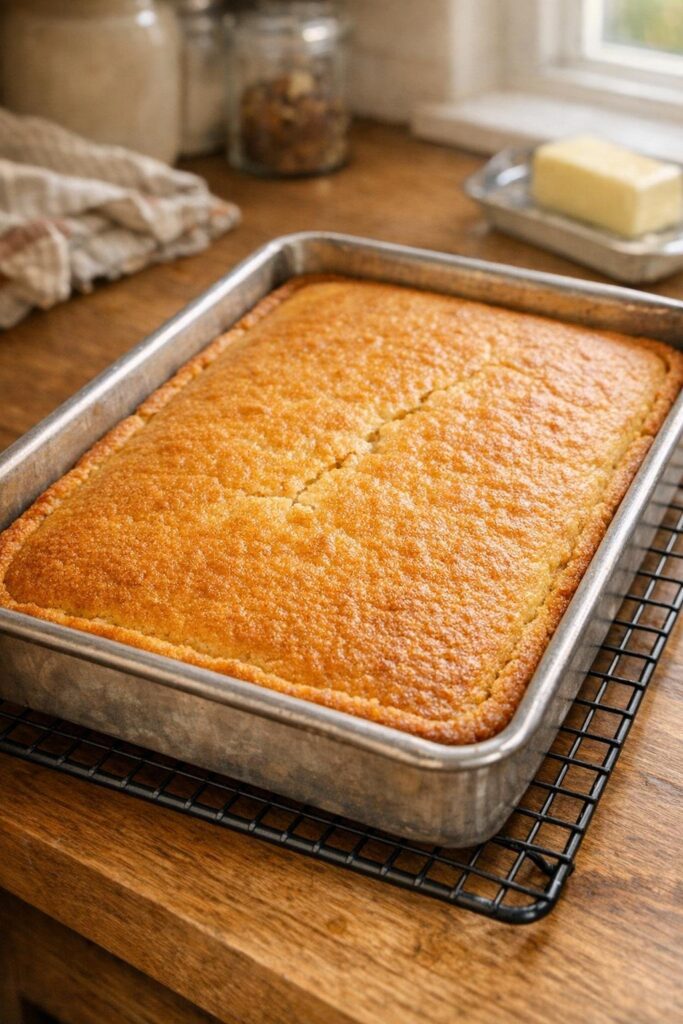
Forty-five minutes later, I pulled out a cake that was deeply moist, pleasantly dense without being heavy, and almost pudding-like at the center in the best possible way. If you’ve been wondering what sweetened condensed milk actually does in cake batter, whether it makes the cake too sweet, and how to make it work without ending up with a gummy mess, I’ll walk you through the full result, the science behind it, and the best ways to use this trick at home.
1. What happened in the oven
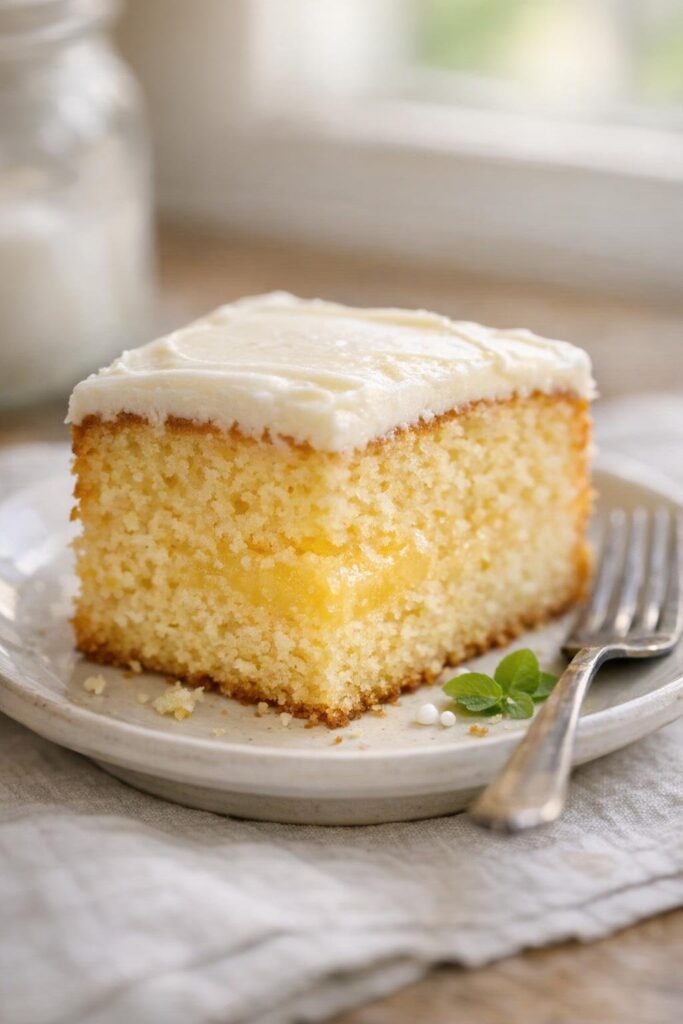
The short version is this: the cake baked up with a finer crumb, a richer flavor, and far more moisture than a standard box-mix cake made according to the package directions. The edges set first, the top turned a deep golden color by about the 32-minute mark, and the center needed the full 45 minutes to finish baking.
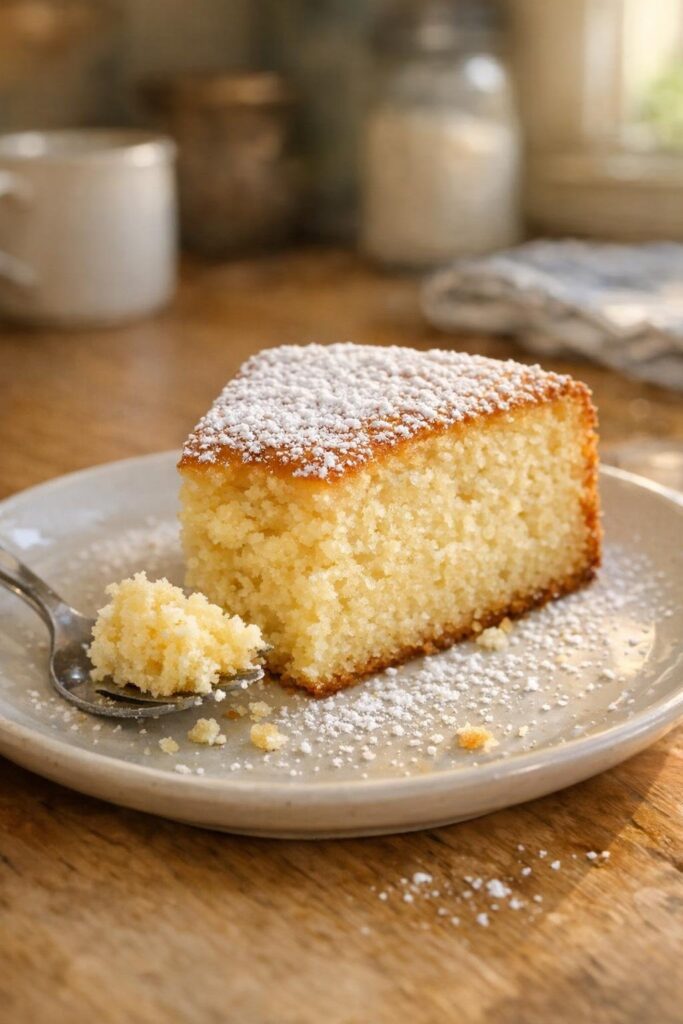
What surprised me most was the texture. Instead of the airy, slightly springy crumb you often get from a mix made with water, oil, and eggs, this version had a tighter, velvety structure. It sliced cleanly after cooling for 25 minutes, and even on day two it stayed soft enough that I didn’t need to warm it or cover it with extra frosting to make it appealing.
2. Why sweetened condensed milk changes cake so dramatically
Sweetened condensed milk is not just milk with sugar stirred in. It’s milk that has had roughly 60 percent of its water removed, then been sweetened heavily, which means it brings concentrated dairy solids, sugar, and a thick, syrupy consistency to batter. That affects both flavor and structure.
In practical terms, the added sugar helps the cake retain moisture, the milk proteins contribute tenderness and browning, and the viscosity slows down how quickly the batter sets. That’s why the cake often needs a few extra minutes in the oven.
In my kitchen, a cake that would normally bake in 30 to 35 minutes took closer to 42 to 45 minutes before a tester came out with only a few moist crumbs.
3. The exact way I mixed it
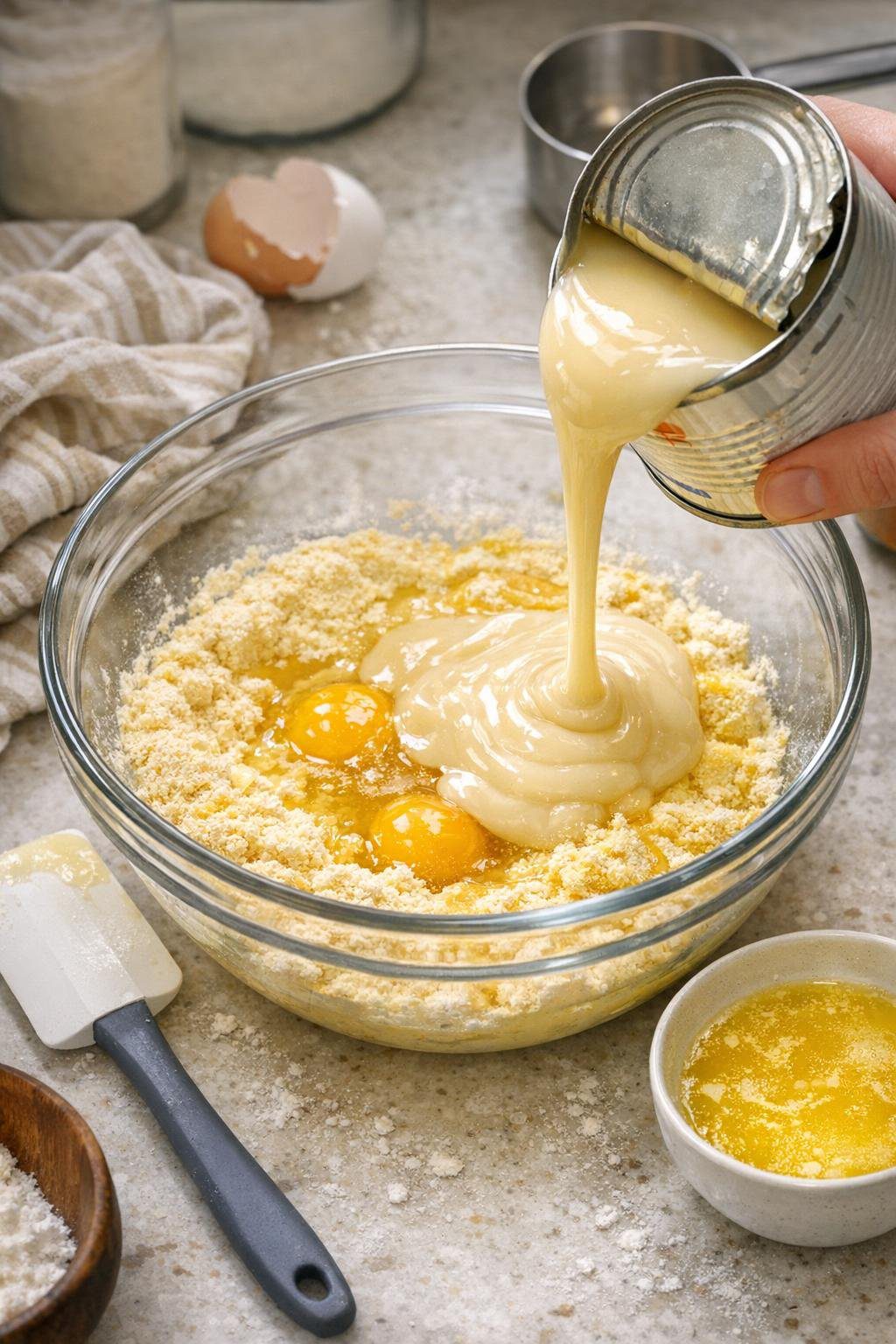
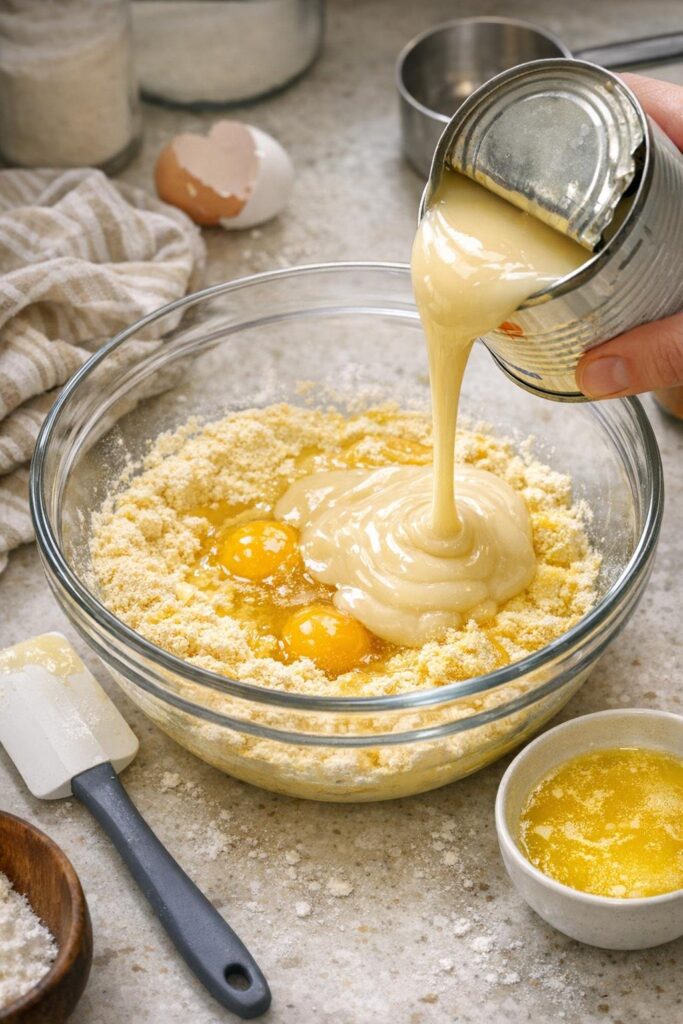
I used one standard 15.25-ounce box of yellow cake mix, one 14-ounce can of sweetened condensed milk, 3 large eggs, and 1/2 cup melted unsalted butter. I deliberately skipped the water called for on the box because the condensed milk already shifts the liquid balance significantly. I also skipped additional oil, since the butter gave enough richness.
I whisked the eggs first, then stirred in the condensed milk until smooth. After that I added the melted butter and finally the dry cake mix. The batter was noticeably thicker than ordinary cake batter—closer to a loose muffin batter than a pourable sheet-cake batter. I spread it into a greased 9-by-13-inch pan with a spatula rather than simply pouring and tilting the pan.

4. The flavor was sweeter, but not in the way you might think
Yes, the cake was sweeter. There’s no honest way around that. But it wasn’t sugary in a sharp or one-dimensional way. Sweetened condensed milk has a cooked dairy flavor that reminds me a bit of dulce de leche before it turns caramel-dark, so the sweetness tasted rounder and fuller.
That makes this trick especially good for cakes that can handle extra richness: vanilla, yellow, butter, coconut, spice, and even lemon. I would be more cautious with something already very sweet, like funfetti with canned frosting, unless I planned to balance it with tangy toppings such as cream cheese frosting, fresh berries, or a lightly salted whipped topping.
5. The texture difference is the real payoff
If flavor was the first thing I noticed, texture was what made the experiment worth repeating. The crumb was plush and almost custardy near the center while still holding together neatly. It reminded me of the intersection between a butter cake and a poke cake, though I hadn’t poured anything over the top after baking.
This is the sort of cake that works beautifully for potlucks because it doesn’t dry out quickly. I left a covered piece on the counter for nearly 24 hours as a test, and it was still tender. In a city apartment where the heat runs hard in winter and dries everything out, that kind of staying power matters more than people realize.
6. Baking time and doneness need to be adjusted
This is not a “follow the box exactly” situation. Because condensed milk adds both sugar and density, the cake browns faster on top but bakes more slowly in the middle. I recommend lowering your oven to 325°F if your oven runs hot, especially for dark metal pans.
Start checking at 35 minutes, but don’t be surprised if it takes 40 to 48 minutes in a 9-by-13-inch pan. A toothpick should come out with moist crumbs, not wet batter. The center should spring back lightly when touched, and the internal temperature should be about 205°F to 210°F if you like using a thermometer for baking, as I often do with richer batters.
7. The best cake mixes to use with this trick
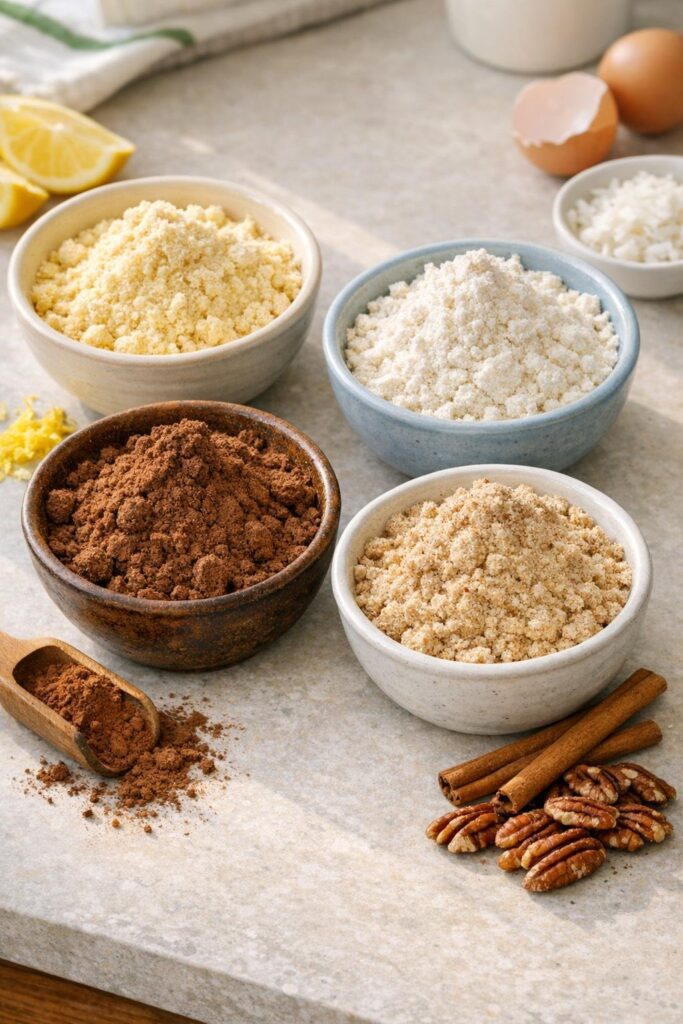
Yellow cake mix gave me the best overall result because it paired naturally with the milky sweetness. White cake mix also works well if you want a softer, more neutral base for fruit or coconut. Butter pecan would be lovely here too, especially with toasted nuts folded in.
Chocolate is a little trickier but absolutely possible. If you use a chocolate mix, I’d add 1 tablespoon instant espresso powder or 1/2 teaspoon kosher salt to keep the sweetness from flattening the cocoa flavor. Spice cake is another excellent candidate; the condensed milk amplifies cinnamon, nutmeg, and clove in a way that feels especially cozy in cooler weather.
8. What can go wrong if you simply dump it in
The biggest risk is throwing off the liquid-to-dry ratio so badly that the center never fully sets. If you use the full can of sweetened condensed milk and also add all the water or milk listed on the box, you may end up with a cake that looks done around the edges but stays underbaked in the middle.
Another issue is overmixing. Because the batter is thick, people tend to keep stirring until it looks ultra-smooth. That can develop too much structure and make the finished cake rubbery around the edges. Mix just until no dry streaks remain—usually 60 to 90 seconds by hand or about 30 seconds on low speed with a mixer.
9. My preferred pan sizes and why they matter
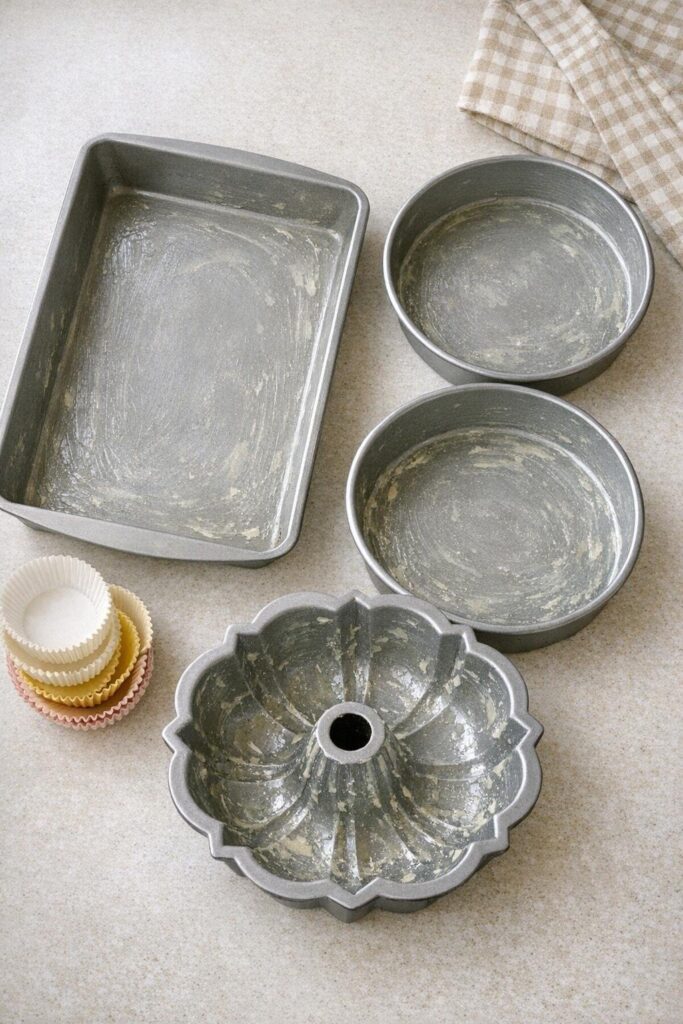
A 9-by-13-inch pan is the safest choice because it gives the batter enough surface area to bake through evenly. If you use two 8-inch round pans, reduce the baking time to about 28 to 34 minutes and watch closely. For cupcakes, fill liners only about two-thirds full and start checking at 18 minutes.
I would avoid a Bundt pan unless you’re comfortable testing for doneness carefully. The denser batter can bake unevenly in deep, decorative pans, especially if your oven has hot spots. If you do use a Bundt, grease every crevice thoroughly and expect a bake time closer to 45 to 55 minutes at 325°F.
10. Frosting and toppings that work best
Because the cake itself is rich, I like toppings that add contrast. A whipped cream cheese frosting made with 8 ounces cream cheese, 1 cup heavy cream, and 1/3 cup powdered sugar is one of my favorites. It adds tang without piling on too much sweetness.
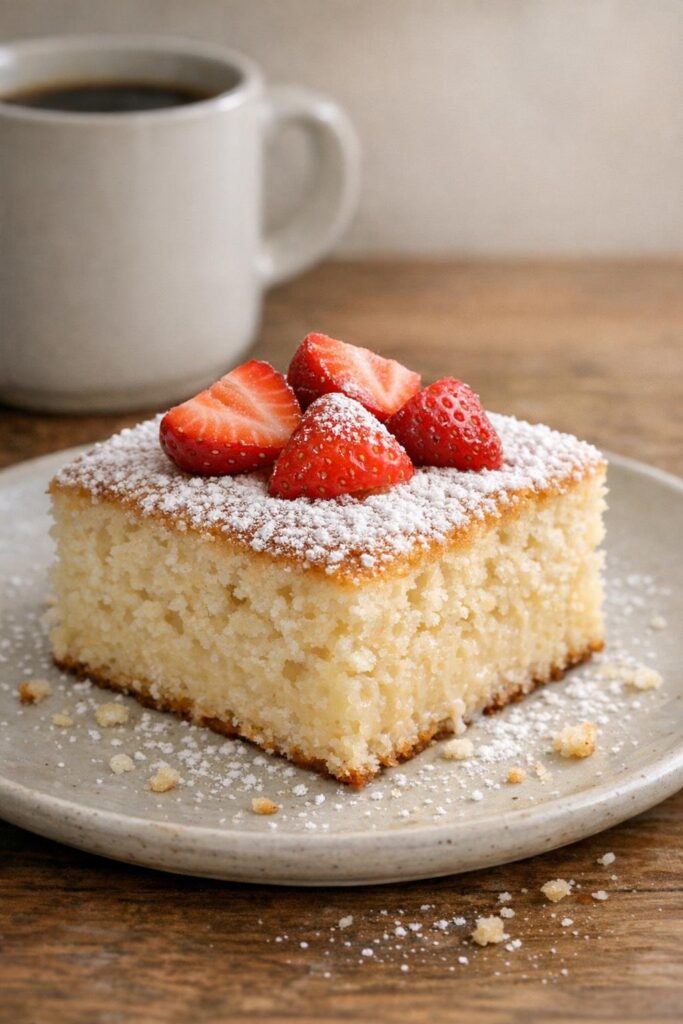
Fresh strawberries, sliced peaches, toasted coconut, or chopped salted pecans all work beautifully. If you want a simpler finish, dust the cooled cake with powdered sugar and serve it with coffee. In my house, that’s often enough. Not every cake needs an inch of frosting to feel finished.
11. How this compares to a poke cake
The headline makes it sound almost magical, and in a way, it is—but this is different from pouring sweetened condensed milk over a baked cake, which is the classic poke-cake method. In a poke cake, the milk sinks into holes and creates pockets of creamy sweetness after baking.
When you add the condensed milk directly to the batter, the effect is more even and integrated. You don’t get distinct soaked areas. Instead, the entire cake becomes richer from edge to center. If you love a uniform, velvety crumb, mixing it in is the better method. If you want dramatic moisture and a tres leches-style effect, pouring it over the baked cake is better.
12. A few smart flavor additions
Once you know the basic method works, you can build on it. Add 1 teaspoon vanilla extract for warmth, 1/2 teaspoon almond extract for a bakery-style note, or the finely grated zest of 1 lemon or 1 orange to brighten the richness. I’ve also had good luck folding in 3/4 cup sweetened shredded coconut for a tropical variation.
For a cinnamon version, add 1 teaspoon ground cinnamon and a pinch of salt to yellow or white mix. For a caramel-leaning finish, drizzle the cooled cake with 1/4 cup warmed caramel sauce and a light sprinkle of flaky salt. Just remember that every add-in should serve the cake, not bury it. The condensed milk is already doing plenty of heavy lifting.

13. Storage, serving, and make-ahead notes
This cake keeps well covered at room temperature for about 2 days, or in the refrigerator for up to 5 days if it’s frosted with dairy-based frosting. I prefer bringing chilled slices back to room temperature for 20 to 30 minutes before serving so the crumb softens fully.
You can also freeze it. Wrap unfrosted pieces tightly in plastic wrap and then foil, and freeze for up to 2 months. Thaw overnight in the refrigerator or for 1 to 2 hours on the counter. Cakes made with condensed milk tend to freeze better than very airy cakes because they retain moisture so well.
14. Is it worth doing again?
Absolutely, with one caveat: you need to treat it like a deliberate recipe adjustment, not a random pour-and-hope move. Sweetened condensed milk can turn an ordinary cake mix into something that tastes closer to a bakery dessert, but only if you account for the extra sugar, thickness, and bake time.
If you want a cake that’s fluffy and light, this may not be your best route. But if you want a dessert that’s moist for days, deeply comforting, and just a little indulgent, this is a terrific trick. Forty-five minutes after that can hit the bowl, what happened in my oven was simple: the cake came out richer, softer, and far more interesting than the box ever intended.