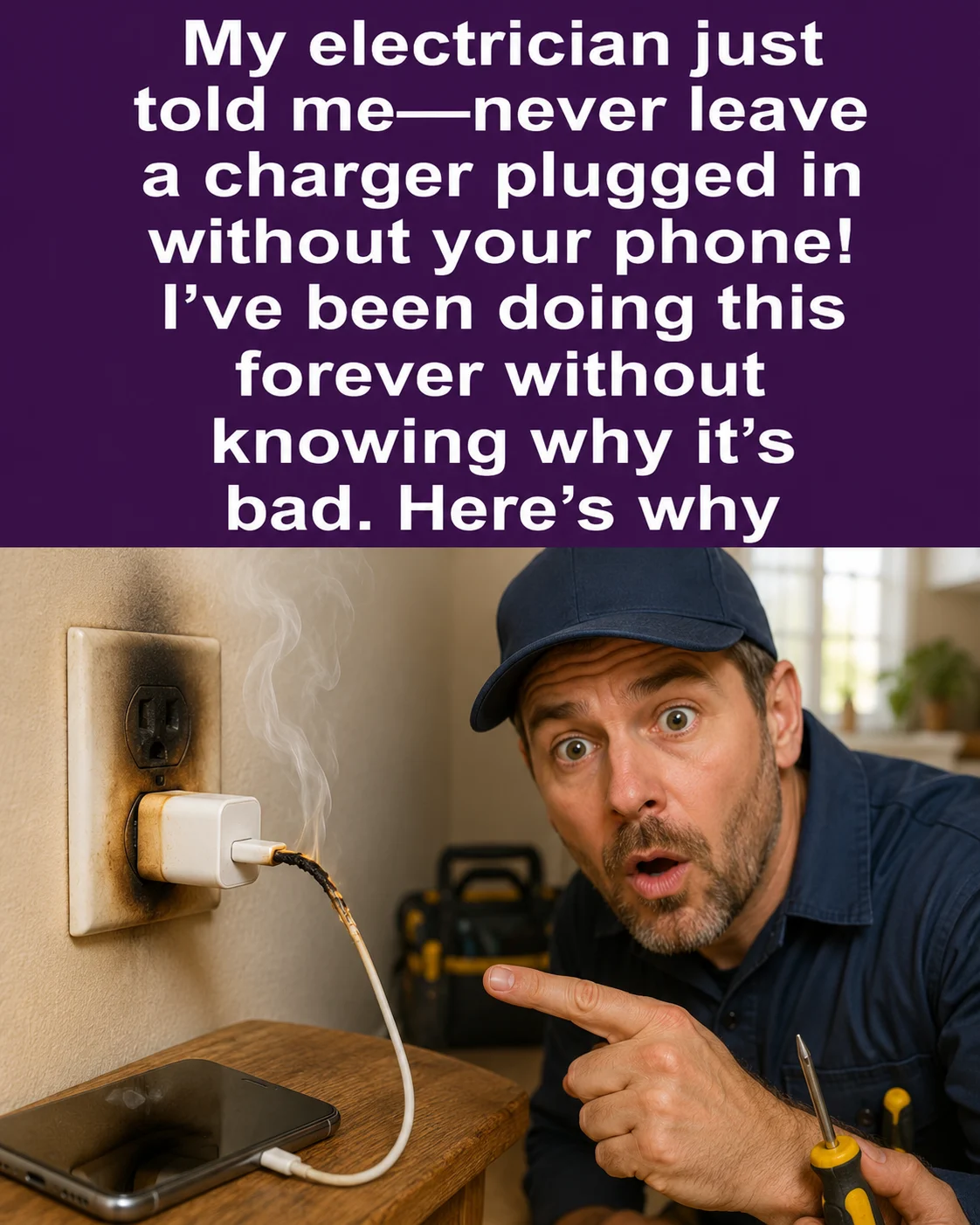
I’ll admit it—my phone charger stays plugged into the wall almost all the time. It’s convenient, and I never gave it much thought. Then someone mentioned that leaving a charger plugged in when it’s not charging a device could waste energy or even create a safety risk.
So, is it really a problem, or is it just another household myth? Here’s what you should know about leaving your phone charger plugged in.
Does a Charger Use Electricity When Nothing Is Connected?
Yes, but only a very small amount.
When a charger is plugged into a wall outlet without a phone attached, it still draws a tiny amount of electricity. This is often called “vampire power” or standby power.
For most modern chargers, the amount of electricity used is extremely low and usually has little impact on your monthly electric bill.
Is It a Fire Hazard?
Under normal conditions, a certified charger in good working condition is generally safe to leave plugged in.
However, problems can occur if the charger:
- Is damaged or frayed
- Is a low-quality or counterfeit product
- Becomes excessively hot
- Is plugged into a damaged outlet
- Is covered by clothing, blankets, or other materials that trap heat
If you notice any of these warning signs, unplug the charger and replace it.
Can Leaving a Charger Plugged In Shorten Its Life?
It can over time.
Even when not charging a device, electronic components inside the charger remain energized. Over months or years, this may contribute to normal wear and reduce the charger’s lifespan.
While the effect is usually gradual, unplugging it when not in use may help it last longer.
Is It Worth Unplugging?
For many people, unplugging a charger after use is a simple habit that offers a few benefits.
It may:
- Reduce small amounts of standby electricity use
- Lower unnecessary wear on the charger
- Reduce the chance of overheating if the charger becomes damaged
- Keep cords organized and out of the way
While the energy savings are modest, the habit can still be worthwhile.
Tips for Safe Charger Use
Whether you leave your charger plugged in or not, these safety practices can help:
- Use chargers from reputable manufacturers.
- Replace chargers with damaged cables or plugs.
- Keep chargers away from water and moisture.
- Avoid placing chargers under pillows, blankets, or furniture while in use.
- Unplug chargers if they become unusually hot.
- Avoid overloading power strips with multiple high-power devices.
These simple steps can reduce the risk of electrical problems.
Common Myths About Phone Chargers
Myth: A plugged-in charger always wastes a lot of electricity.
Modern chargers use only a tiny amount of standby power when no device is connected.
Myth: Every plugged-in charger is a serious fire hazard.
A quality charger that is undamaged and used correctly is generally considered safe. Fire risks are more commonly associated with damaged, defective, or counterfeit chargers.
Myth: You must unplug your charger after every use.
It’s not required, but unplugging it when it’s not needed can reduce minor energy use and unnecessary wear.
Frequently Asked Questions
Is it okay to leave an iPhone or Android charger plugged in?
Yes. Modern chargers from reputable manufacturers are designed to remain plugged in, although unplugging them when not in use is still a good habit.
Does leaving a charger plugged in increase my electric bill?
The cost is usually very small because modern chargers use very little standby electricity.
Can cheap chargers be dangerous?
Some low-quality or counterfeit chargers may not meet safety standards, making them more likely to overheat or fail.
Should you unplug chargers before leaving home?
If you’ll be away for an extended period, unplugging chargers and other unnecessary electronics is a sensible safety precaution.
Final Thoughts
Leaving a phone charger plugged in without your phone attached isn’t usually a major safety concern when you’re using a high-quality charger that’s in good condition. Modern chargers consume very little electricity while idle, and many are built with safety features.
Still, unplugging your charger when you’re finished using it is a simple habit that can reduce minor energy use, limit wear on the charger, and eliminate any chance of problems caused by damaged equipment. When it comes to electrical safety, a little caution can go a long way.