Okay, hear me out: not every dark edge on your dinner is a kitchen disaster.
There’s a big difference between food that’s completely scorched and food that has those crispy, deeply browned, slightly charred edges. You know the ones—the cheese stuck to the corner of a casserole, the blackened bubbles on pizza crust, or that marshmallow you held over the fire just a few seconds longer than planned.
Honestly, those might be the best bites.
Browning and charring can create deeper flavors, crisp textures, and a little bitterness that balances sweet or savory foods. So before you scrape off every dark spot, check out these 10 foods that many people think taste better with a little char.
1. Pizza Crust
A pale pizza crust just doesn’t hit the same.
Those dark, blistered spots around the edges of a properly baked pizza bring a smoky, toasted flavor that works beautifully with tomato sauce and melted cheese.
High-temperature pizza ovens naturally create these charred bubbles. The goal isn’t a completely black crust. You want a mix of golden brown, dark brown, and a few blackened spots.
That contrast between the crisp exterior and chewy center? Yep, that’s the good stuff.
Quick tip: Preheat your pizza stone or steel thoroughly before adding the pizza. A very hot surface helps create a crisp bottom and beautifully browned crust.
2. Marshmallows
This one can start arguments around a campfire.
Some people patiently rotate their marshmallow until it becomes perfectly golden. Others stick it straight into the flame until the outside catches fire.
I’m somewhere in the middle.
A marshmallow with a deeply toasted exterior gets a slight bitterness that balances all that sugar. Meanwhile, the center becomes warm, soft, and ridiculously gooey.
Put that between graham crackers with chocolate and, well, good luck stopping at one.
3. Brussels Sprouts
If you grew up thinking Brussels sprouts were mushy and bitter, roasting them may completely change your mind.
The outer leaves become dark and crispy while the inside stays tender. Those browned edges add a nutty, savory flavor that boiled Brussels sprouts simply don’t have.
Toss them with olive oil, salt, and black pepper before roasting.
A little Parmesan, balsamic glaze, or crispy bacon doesn’t hurt either.
Quick tip: Cut the sprouts in half and place the cut sides directly against the baking sheet. That contact creates fantastic browning.
4. Hot Dogs
There’s something about a hot dog with blackened grill marks that screams summer cookout.
A little char gives the casing a crisp bite and smoky flavor while the inside stays juicy.
Rotate the hot dogs as they cook so you get browned spots without turning the entire thing into charcoal.
Then load up the bun with mustard, onions, relish, chili, or whatever your backyard cookout rules allow.
5. Corn on the Cob
Grilled corn is good.
Grilled corn with scattered blackened kernels? Even better.
The heat brings out the corn’s natural sweetness while those charred areas add a smoky contrast.
Brush the corn lightly with oil or butter, then turn it regularly over the grill until you see browned and blackened spots.
Finish with butter and salt, or add lime, chili powder, and cheese for even more flavor.
6. Broccoli
Roasted broccoli deserves more credit.
When broccoli spends enough time in a hot oven, its little florets develop crispy, nearly charred tips. Meanwhile, the stems remain tender.
Those dark edges have a deep roasted flavor that can make plain steamed broccoli seem pretty boring afterward.
Olive oil, salt, pepper, and garlic are really all you need.
Add fresh lemon juice after roasting for a bright finish.
7. Cheese
You know the crispy cheese around the edge of baked mac and cheese?
That part.
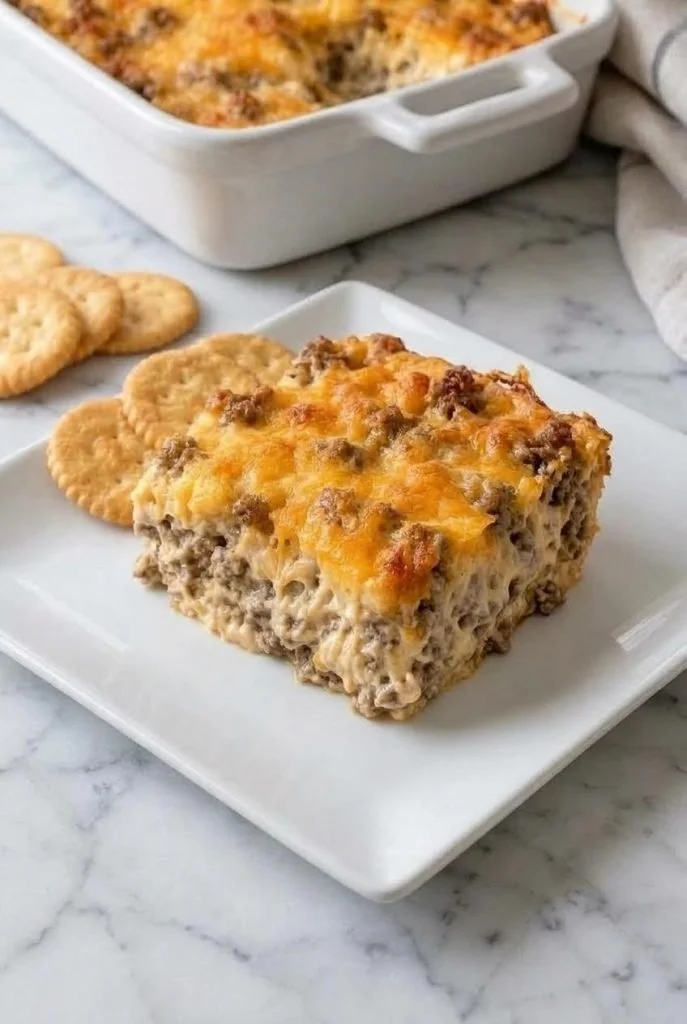
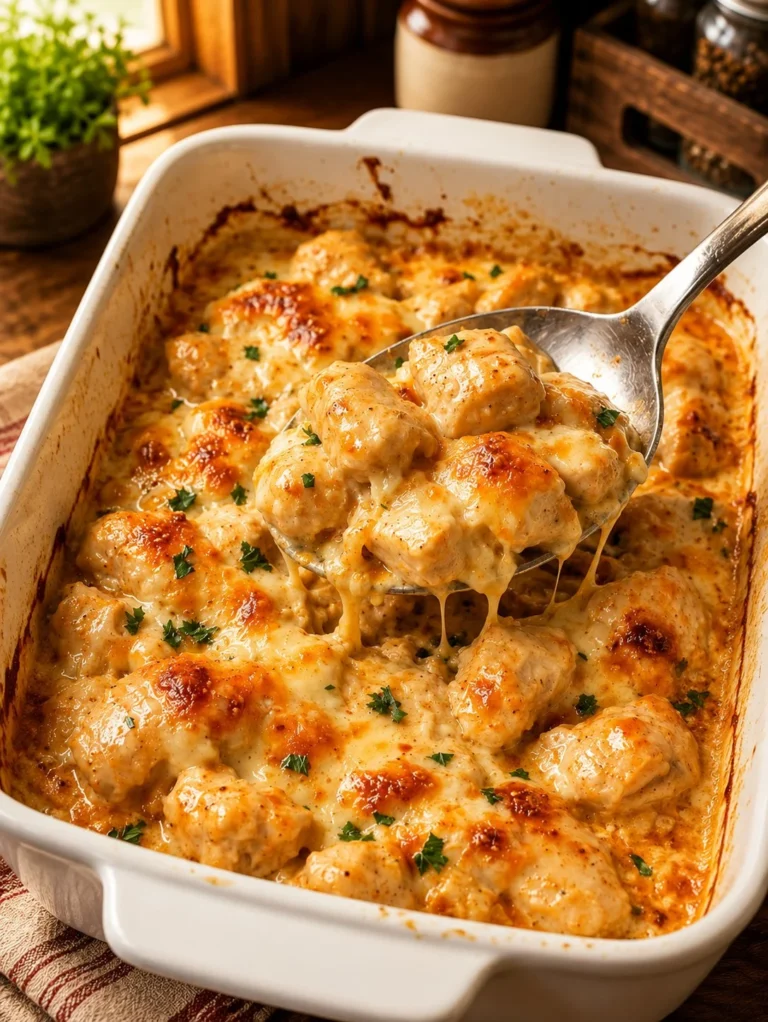
When cheese browns against a hot pan or baking dish, it becomes crispy, salty, and intensely savory. It’s often the first part people start picking at before dinner even reaches the table. Guilty.
Lasagna, baked ziti, grilled cheese, pizza, casseroles, and cheeseburgers can all benefit from properly browned cheese.
Just don’t confuse golden or dark brown cheese with cheese that has burned completely black.
8. Onions
Onions become sweeter as they cook, and allowing some edges to get dark can add another layer of flavor.
Grilled onions are especially good with a little char.
Try them on burgers, steaks, tacos, sandwiches, or grilled sausages.
Thick onion slices work best on the grill because they can develop dark edges while staying juicy inside.
Honestly, grilled onions barely need anything besides salt.
9. Toast
There’s a reason some people keep pushing the toaster setting one notch darker.
Lightly charred toast has a crisp texture and deeper roasted flavor that pairs beautifully with butter, jam, avocado, eggs, or peanut butter.
The key word here is lightly.
There’s a fine line between pleasantly dark toast and a slice that tastes like you’re chewing on a campfire.
10. Steak
A great steak needs a great crust.
Cooking steak over high heat creates a deeply browned exterior while the inside can remain juicy and tender. Grill flames may also create small charred areas that add smoky flavor.
The trick is controlling the heat rather than simply burning the outside.
Pat the steak dry before cooking, season it well, and give it enough uninterrupted contact with the hot cooking surface to develop that gorgeous crust.
And please resist poking and flipping it every five seconds. Give that steak a chance to brown.
Why Does Slightly Charred Food Taste So Good?
Much of what we call “burnt” food isn’t technically burnt at all.
Browning can occur through chemical reactions that create new aromas and flavors as food cooks. Caramelization also changes sugars as they’re heated, producing deeper and sometimes slightly bitter flavors.
Then there’s actual charring, where parts of the food become very dark from intense heat.
A small amount can provide an enjoyable smoky contrast. Too much, though, turns deliciously browned food bitter and unpleasant.
Basically, we’re chasing that sweet spot between pale and cremated.
Browning and Burning Aren’t the Same Thing
This distinction matters.
Golden-brown cheese, deeply roasted vegetables, a dark steak crust, and blistered pizza aren’t the same as food that has been burned into a solid black layer.
For most foods, aim for a mixture of golden, brown, and occasional dark spots rather than widespread blackening.
Besides tasting better, this approach avoids excessive charring.
How to Get Better Browning at Home
Start with a hot cooking surface and avoid overcrowding your pan.
When vegetables are packed tightly together, they release moisture and steam instead of developing those delicious crispy edges.
Drying food before cooking also helps. This is especially useful with steak, potatoes, broccoli, and other vegetables.
Finally, give the food time to make contact with the hot surface. Constant stirring can prevent that beautiful crust from forming.
Frequently Asked Questions
Is slightly burnt food safe to eat?
Occasional lightly charred areas are different from heavily burned food. It’s sensible to avoid eating foods that are extensively blackened or burned.
What vegetables taste good charred?
Brussels sprouts, broccoli, corn, onions, peppers, asparagus, cabbage, and cauliflower all develop great flavor when properly browned or lightly charred.
Why do roasted vegetables taste sweeter?
High heat encourages browning and concentrates flavors as moisture leaves the vegetables. Natural sugars also contribute to the richer taste.
What’s the difference between charred and burned?
Charred food usually has controlled dark spots that add smoky flavor. Burned food has been exposed to excessive heat until it develops widespread blackening, bitterness, and an unpleasant smell.
Final Thoughts
Sometimes that extra-dark corner really is the best part.
Pizza crust, marshmallows, Brussels sprouts, hot dogs, corn, broccoli, cheese, onions, toast, and steak can all benefit from careful browning and a touch of char.
The secret is knowing when to stop. Aim for crispy edges, deep brown color, and scattered dark spots—not a plate full of charcoal.
Because, let’s face it, “I meant to do that” only works when dinner still tastes amazing.