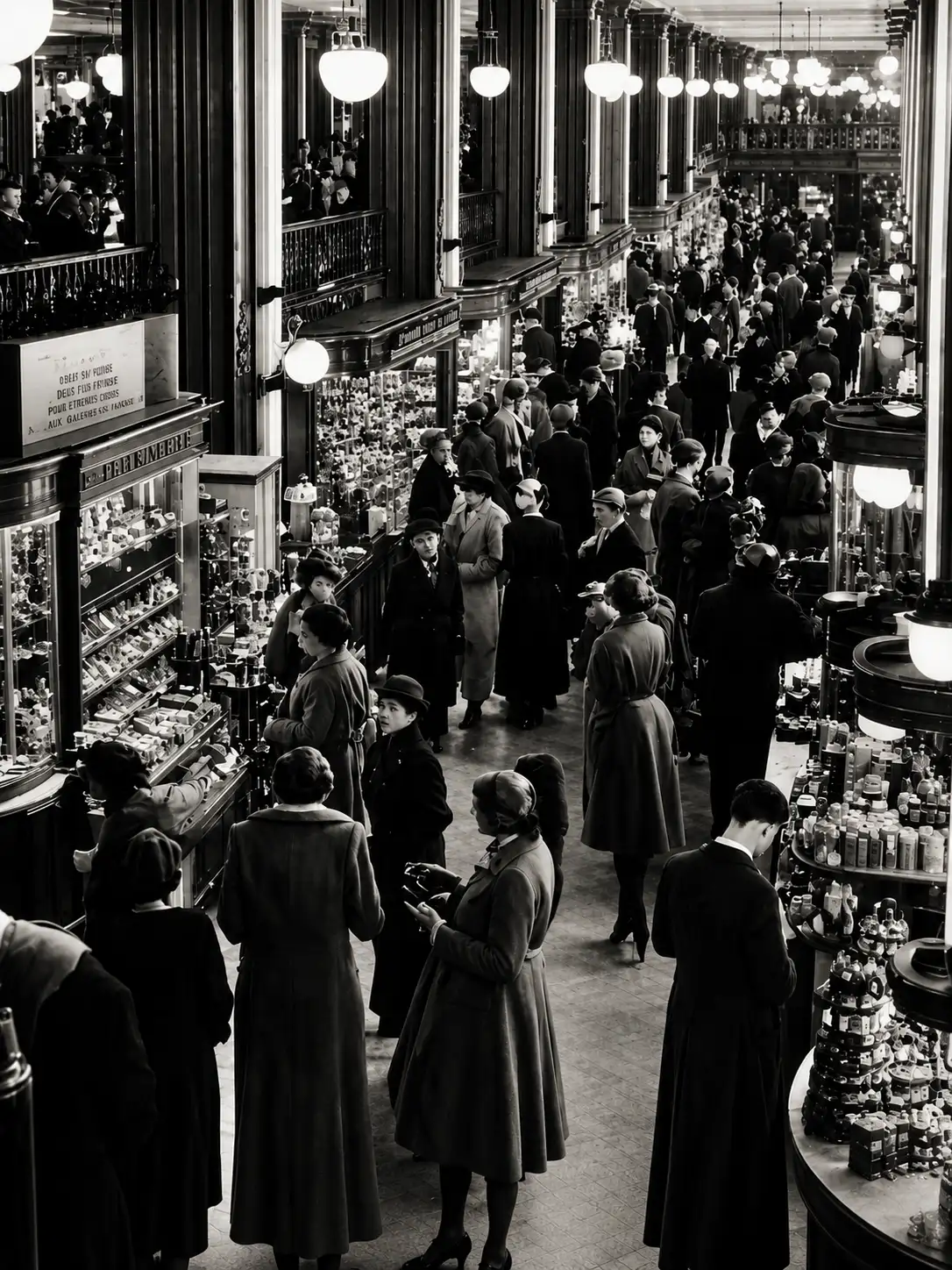
For decades, department stores were more than places to shop. They were where families bought school clothes, picked out holiday gifts, browsed catalogs, and spent entire afternoons walking through every department. Many of these once-iconic retailers have disappeared, leaving behind fond memories for generations of shoppers.
While online shopping and changing consumer habits transformed the retail industry, these beloved stores remain a nostalgic reminder of a different era.
Here are 10 department stores that were once household names but are no longer part of today’s shopping landscape.
1. Sears
Few retailers shaped American shopping like Sears.
Known for its massive catalogs, appliances, tools, clothing, and home goods, Sears dominated retail for much of the 20th century before years of declining sales led to widespread store closures.
Many people still remember family trips to Sears for everything from back-to-school shopping to holiday wish lists.
2. Montgomery Ward
Founded in the 1800s, Montgomery Ward became famous for its mail-order catalog long before online shopping existed.
The retailer eventually expanded into department stores but struggled to compete in the changing retail market before closing its stores in the early 2000s.
3. Mervyn’s
Mervyn’s offered affordable clothing, home products, and family essentials.
For many shoppers, it was a dependable stop for school shopping and seasonal sales before the chain closed during the 2008 financial crisis.
4. Ames
Ames was a favorite discount department store across many small towns.
Known for everyday bargains and friendly neighborhood locations, the chain eventually disappeared after financial difficulties.
5. Venture
Venture stores combined clothing, toys, electronics, and household items under one roof.
Although once popular throughout the Midwest, the retailer eventually closed after bankruptcy.
6. Bradlees
Bradlees became a familiar shopping destination across the Northeast.
Families visited for affordable fashion, home goods, and holiday shopping before the chain shut down in the early 2000s.
7. Bon-Ton
Bon-Ton operated department stores under several regional names across the United States.
The company built a loyal customer base before most locations closed following bankruptcy proceedings.
8. Carson Pirie Scott
For generations, Carson Pirie Scott served shoppers looking for clothing, furniture, and home essentials.
Its flagship stores became landmarks in several cities before the chain eventually disappeared from the retail landscape.
9. Marshall Field’s
Marshall Field’s earned a reputation for elegant department stores, outstanding customer service, and unforgettable holiday window displays.
Although many locations later became Macy’s stores, countless shoppers still fondly remember the Marshall Field’s name.
10. Woolworth
Woolworth wasn’t just a department store—it was an American institution.
Its famous lunch counters, affordable merchandise, and downtown locations made it a favorite destination for generations before most stores closed during the 1990s.
Why Did So Many Department Stores Close?
Several factors changed the retail industry, including:
- Growth of online shopping
- Competition from discount retailers
- Changing consumer habits
- Rising operating costs
- Shopping mall declines
Many longtime chains struggled to adapt as customer preferences evolved.
What Replaced Traditional Department Stores?
Today’s shoppers often turn to:
- Online retailers
- Warehouse clubs
- Big-box stores
- Specialty retailers
- Direct-to-consumer brands
While these options offer convenience, many people still miss the experience of browsing a classic department store.
Frequently Asked Questions
Why did so many department stores disappear?
Many retailers faced increasing competition, changing shopping habits, financial challenges, and the rapid growth of e-commerce.
Are any Sears stores still open?
A small number of Sears locations continue to operate, but the chain is only a fraction of its former size.
What happened to Marshall Field’s?
Most Marshall Field’s stores were rebranded as Macy’s, although many shoppers still remember the original name with great affection.
Why do people feel nostalgic about department stores?
Department stores were often gathering places where families shopped together, celebrated holidays, and created lasting memories.
Final Thoughts
Department stores once played a major role in everyday life, offering everything from school clothes and kitchen appliances to holiday decorations and family traditions. Although many of these familiar names have disappeared, the memories they created continue to live on.
Whether you remember flipping through a Sears catalog, shopping at Mervyn’s, or eating at a Woolworth lunch counter, these stores remain an important part of retail history and a reminder of how much shopping has changed over the years.