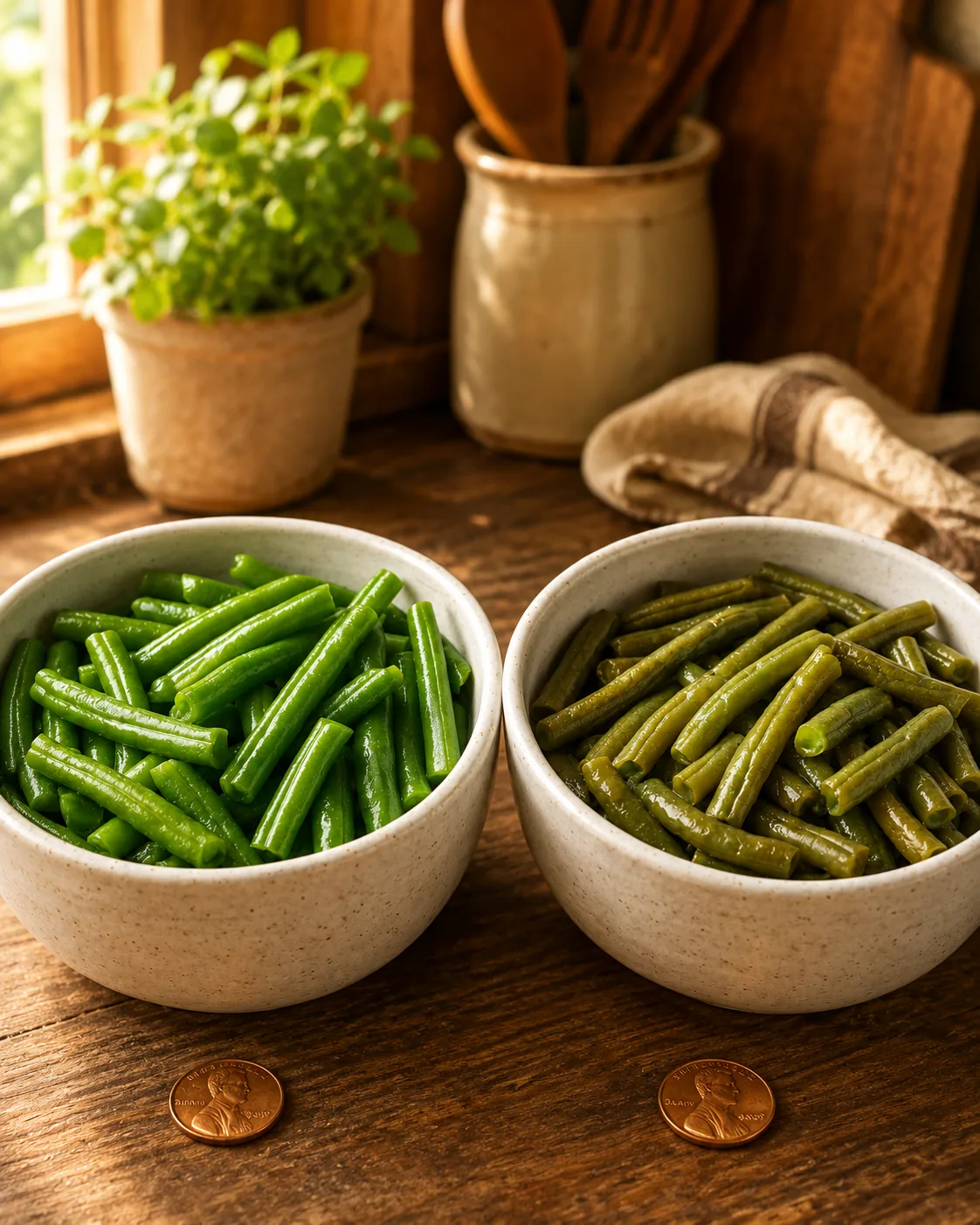
Exploring culinary myths and kitchen tricks is always an intriguing adventure, especially when it involves something as simple as a penny. The idea that a copper penny can help maintain the vibrant green color of vegetables during boiling has been circulating for quite some time. It’s an old wives’ tale that suggests the copper in the penny reacts with the chlorophyll in vegetables, preventing it from breaking down and thus keeping the green beans looking fresh and appetizing.
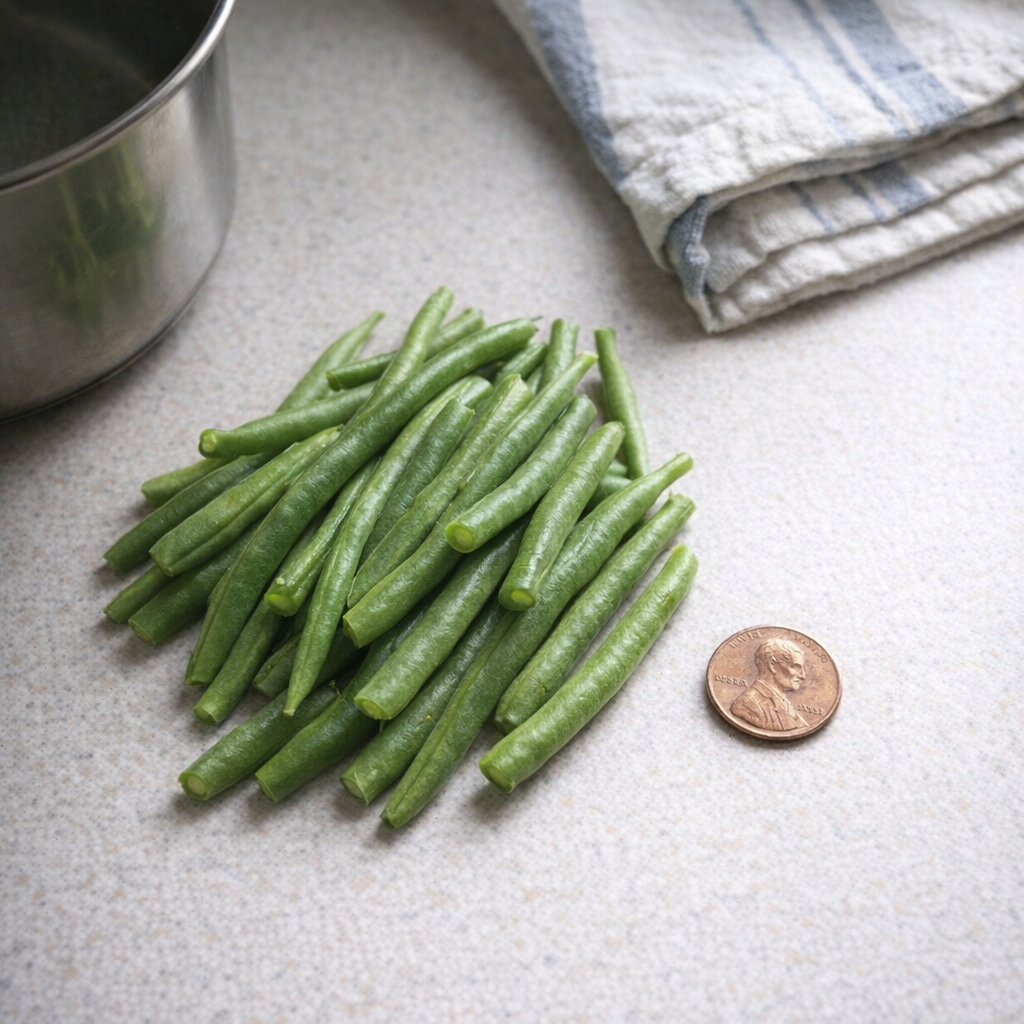
Curiosity piqued, I decided to put this theory to the test. Armed with a pot, a batch of fresh green beans, and a shiny copper penny, I set out to see if this trick could really deliver on its promise. The results were surprising and sparked a deeper look into the science behind this culinary experiment.
1. Why I Put a Copper Penny in My Green Bean Pot
The idea of using a penny in cooking caught my attention because of its simplicity and the potential it had to improve an everyday task. Cooking green beans is a common kitchen task, but achieving that perfect vibrant green can sometimes be elusive. The theory behind the penny trick is that the copper in the coin interacts with the water and the vegetables to stabilize the chlorophyll, the pigment responsible for the green color.
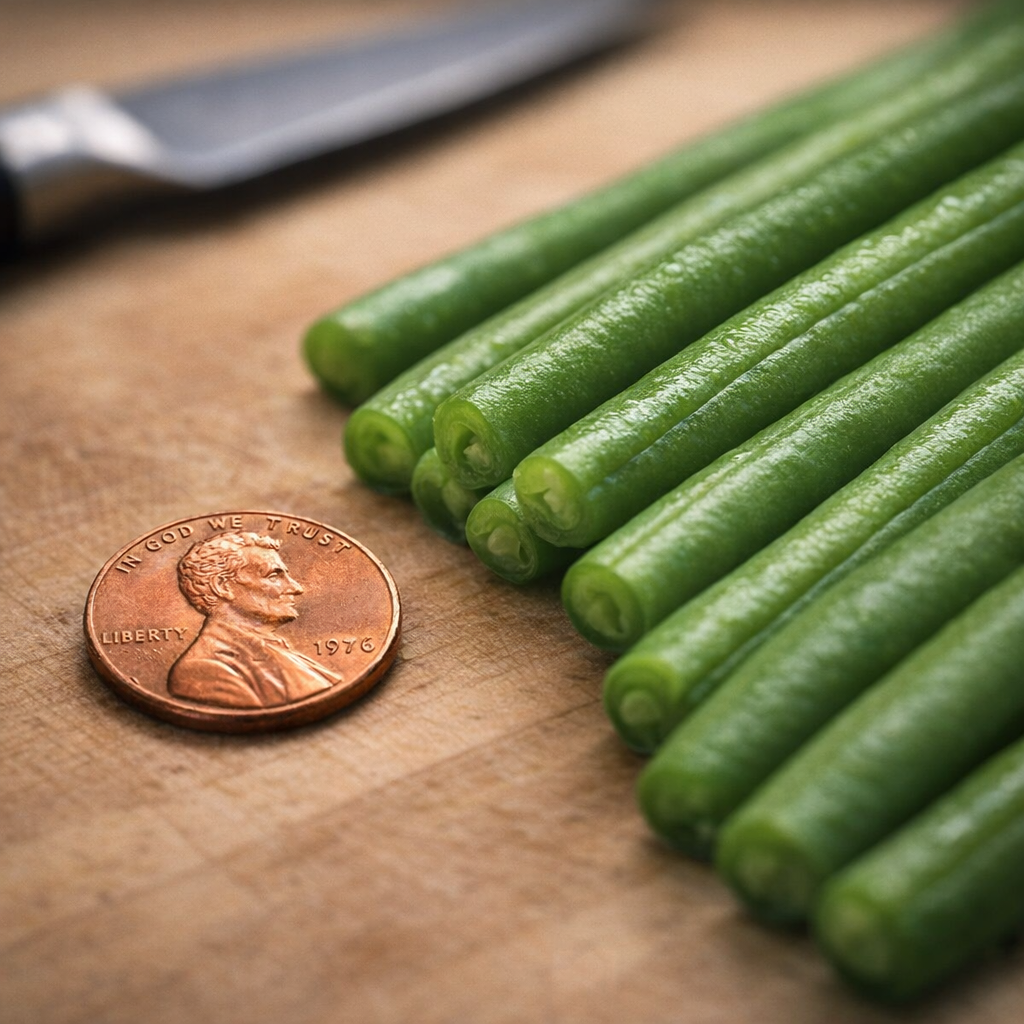
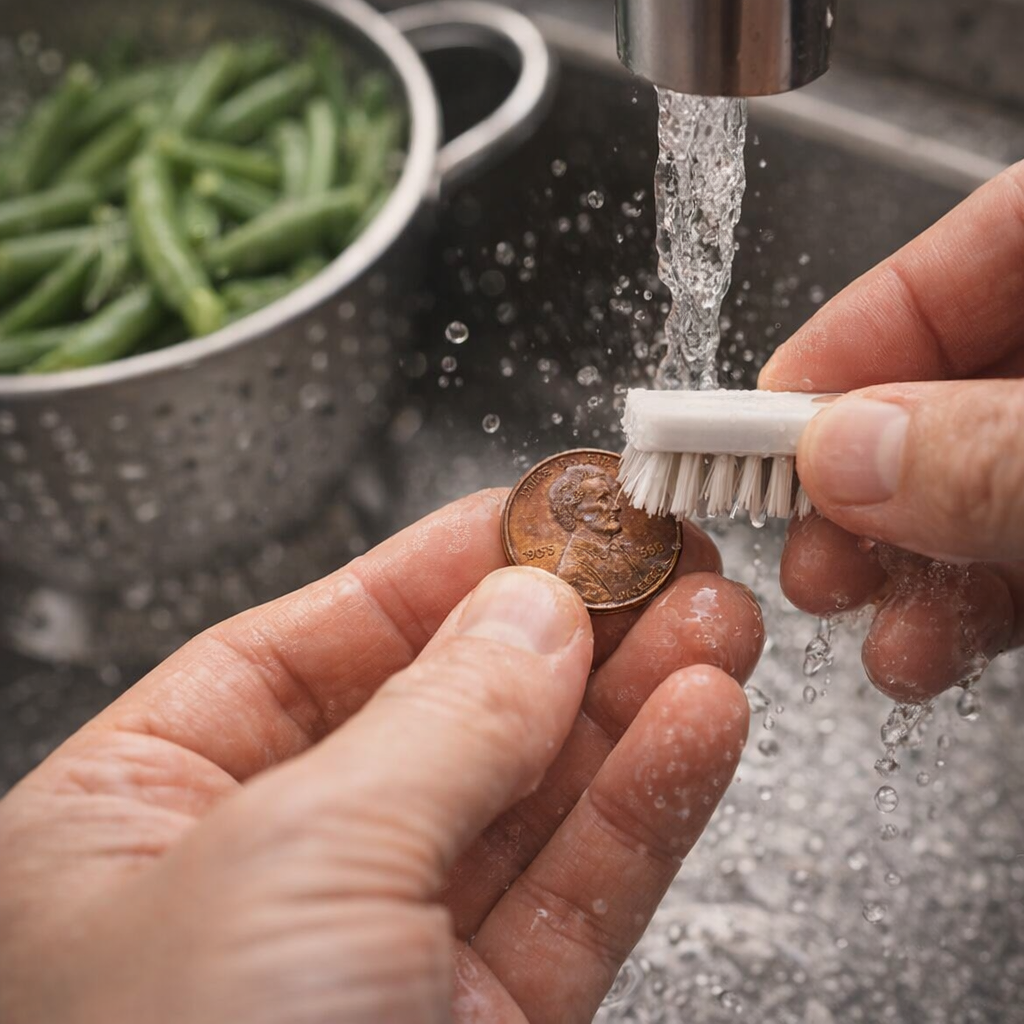
It’s important to note that for this experiment, the penny needs to be made of copper. In the United States, pennies made before 1982 are composed primarily of copper, while those made after contain mostly zinc and are merely coated in copper. For my experiment, I selected a penny from 1975, ensuring it was cleaned thoroughly before placing it into the boiling water.
2. The Exact Setup: Beans, Boiling Water, and One Shiny Coin
My setup was simple and straightforward. I started with a pound of fresh green beans, washed and trimmed to remove any stems. In a medium-sized pot, I brought about four cups of water to a rolling boil, adding a pinch of salt for flavor. Once the water reached a boil, I carefully dropped the clean copper penny into the pot, followed by the green beans.
The penny was added before the beans to ensure that any reaction between the copper and the water had already started. I set a timer for 15 minutes, which is a typical cooking time for boiling green beans, and watched closely as the pot bubbled away.
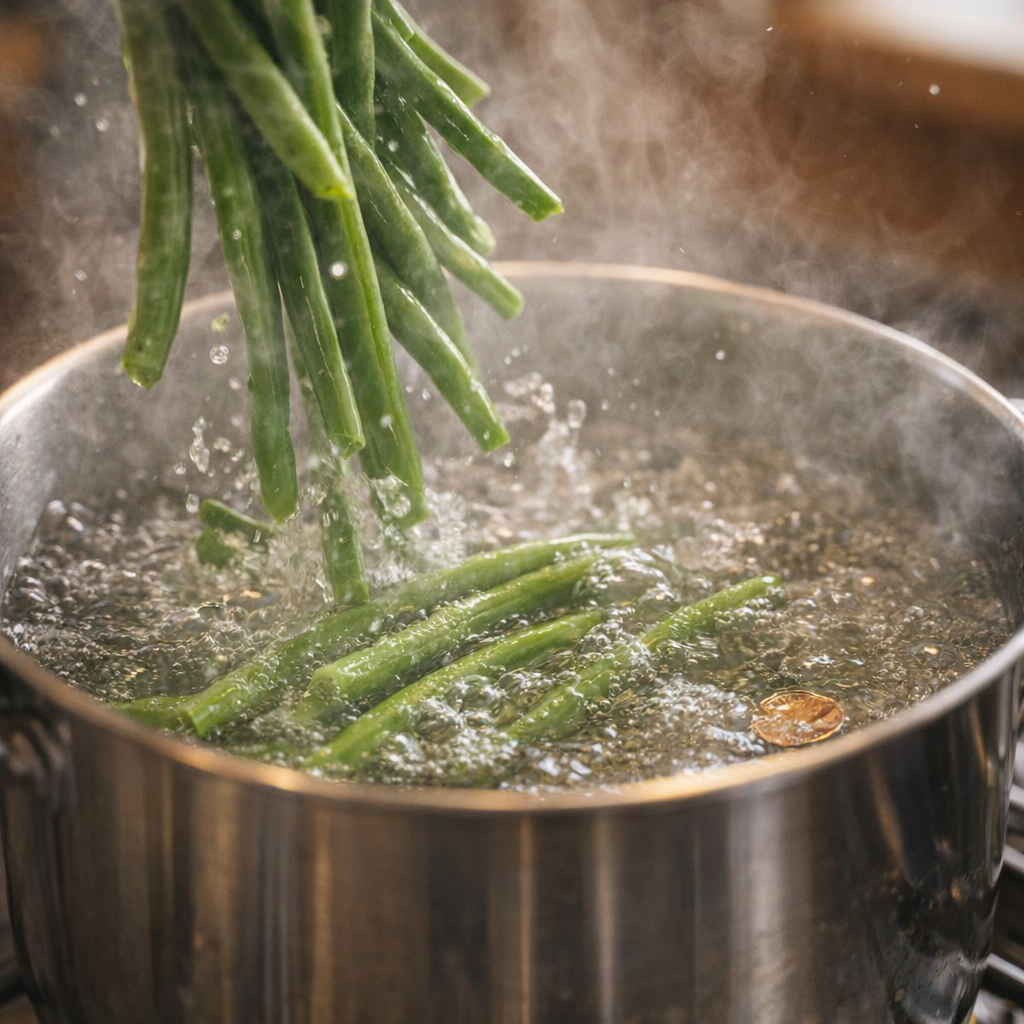
3. What I Saw After 15 Minutes of Boiling
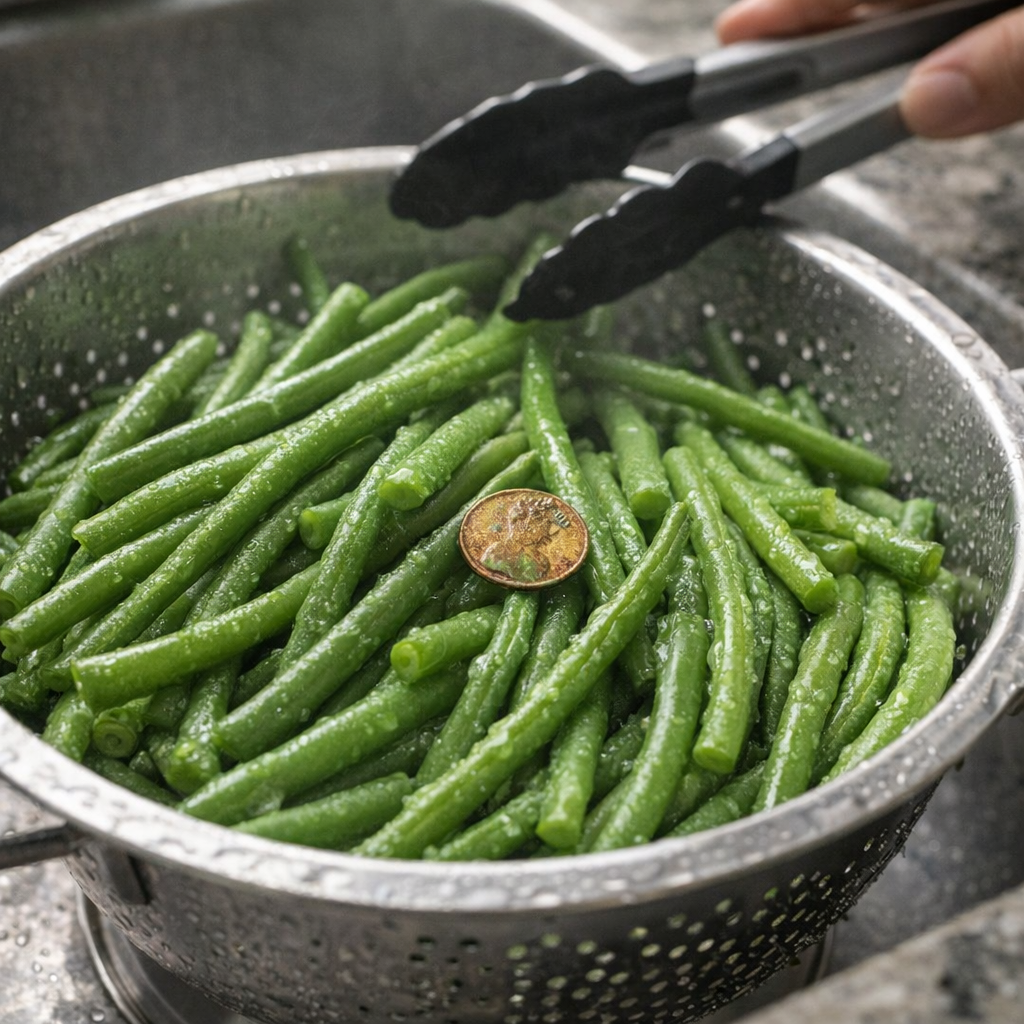
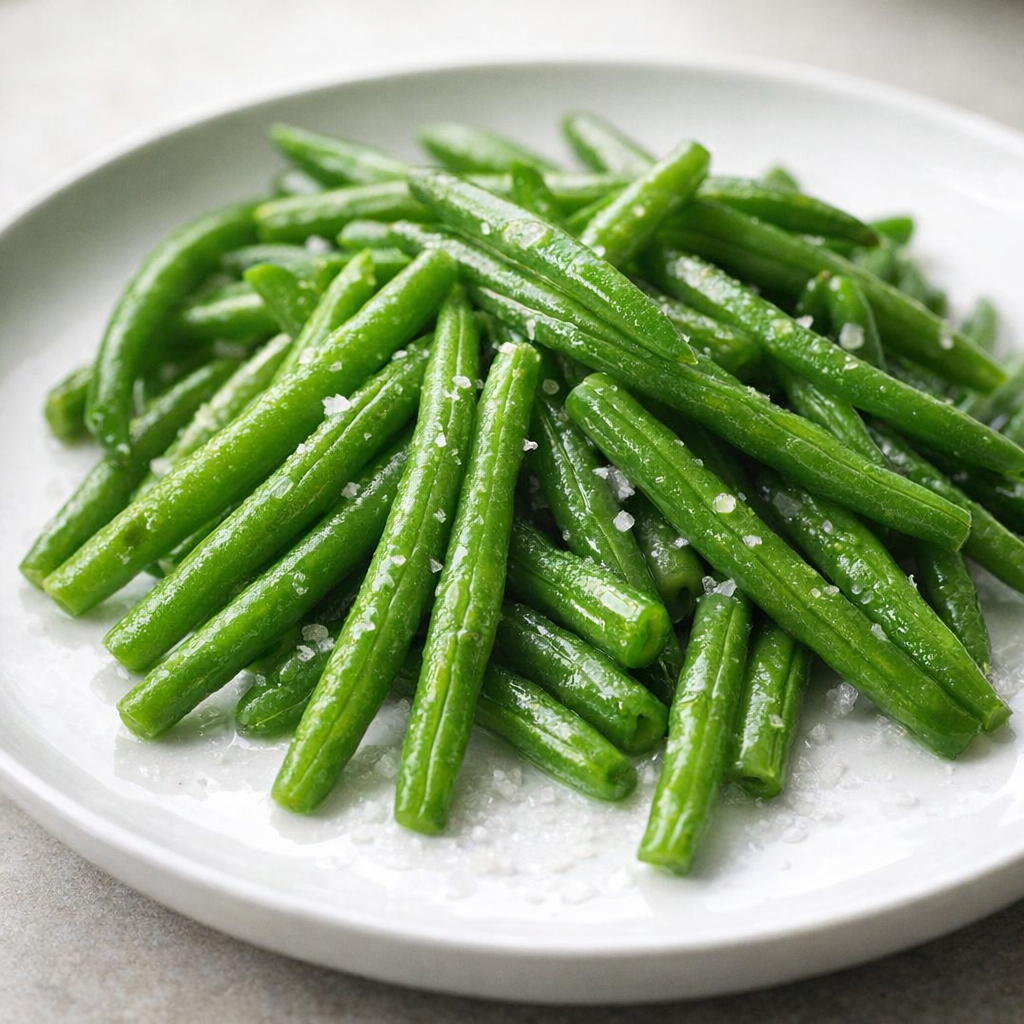
After 15 minutes of boiling, I drained the water and removed the penny, eager to see the results. To my surprise, the green beans had retained a bright and vibrant green color. They looked fresher and more appetizing compared to how they usually appear after boiling without any copper assistance.
The penny itself appeared unchanged, aside from being a bit hotter to the touch. The beans, on the other hand, seemed to benefit from this unusual addition to the pot. Visually, the experiment appeared to be a success, but I was keen to explore further aspects such as taste and texture.
4. Did the Copper Penny Really Keep the Beans Green?
The visual results were promising, but determining whether the penny truly played a role in maintaining the beans’ color required a bit more analysis. Chlorophyll, the pigment responsible for the green color, can break down in heat, leading to a duller appearance. The copper in the penny is believed to help stabilize this pigment.
Comparing the results with previous batches of boiled beans, it was evident that the penny had an impact. However, to attribute the results solely to the penny would require controlled tests with and without the penny under identical conditions. Nevertheless, the initial outcome was encouraging enough to suggest that there was a beneficial effect.
5. How Copper Interacts With Boiling Water and Vegetables
Copper is a well-known conductor of heat, which is why it’s often used in cookware. In terms of chemistry, copper ions are believed to interact with chlorophyll molecules in vegetables, helping to preserve their structure and color during the cooking process. This interaction can prevent the magnesium ion in chlorophyll from being replaced by hydrogen ions, which is what typically happens when vegetables are boiled, leading to a duller color.
The presence of copper in the boiling water can help maintain the integrity of the chlorophyll, thus preserving the vibrant green color of the beans. This is a simplified explanation of a complex chemical interaction, but it highlights why copper might be an effective tool in the kitchen.
6. What Food Scientists Say About Copper and Color Retention
Food scientists have long studied the effects of various metals on cooking processes. Copper, in particular, has been noted for its ability to enhance color retention in vegetables. Studies have shown that copper can stabilize chlorophyll and slow down the degradation process that occurs when vegetables are exposed to heat.
While the penny trick is not a widely researched topic, the principles behind it are grounded in established science. The use of copper as a means to retain color in cooking is supported by the understanding of how metal ions interact with plant pigments. However, more formal research would be needed to fully validate the efficacy of using a penny specifically.
7. Safety First: Is It Actually Safe to Cook With a Penny?
One of the primary concerns with using a penny in cooking is safety. Pennies, especially older ones, can carry dirt and bacteria, which is why it is crucial to clean them thoroughly before use. Additionally, modern pennies are mostly zinc, with only a thin copper coating, and prolonged exposure to high heat could cause some leaching of metals, though this is less of a concern with pre-1982 copper pennies.
Food safety experts advise caution when using non-food grade materials in cooking. While the risk of contamination is low if the penny is properly cleaned, it’s still an unconventional method that might not be suitable for everyone. Alternatives such as using copper cookware or adding a small amount of baking soda to the boiling water can achieve similar results without potential safety risks.
8. Comparing the Penny Trick to Classic Green Bean Hacks
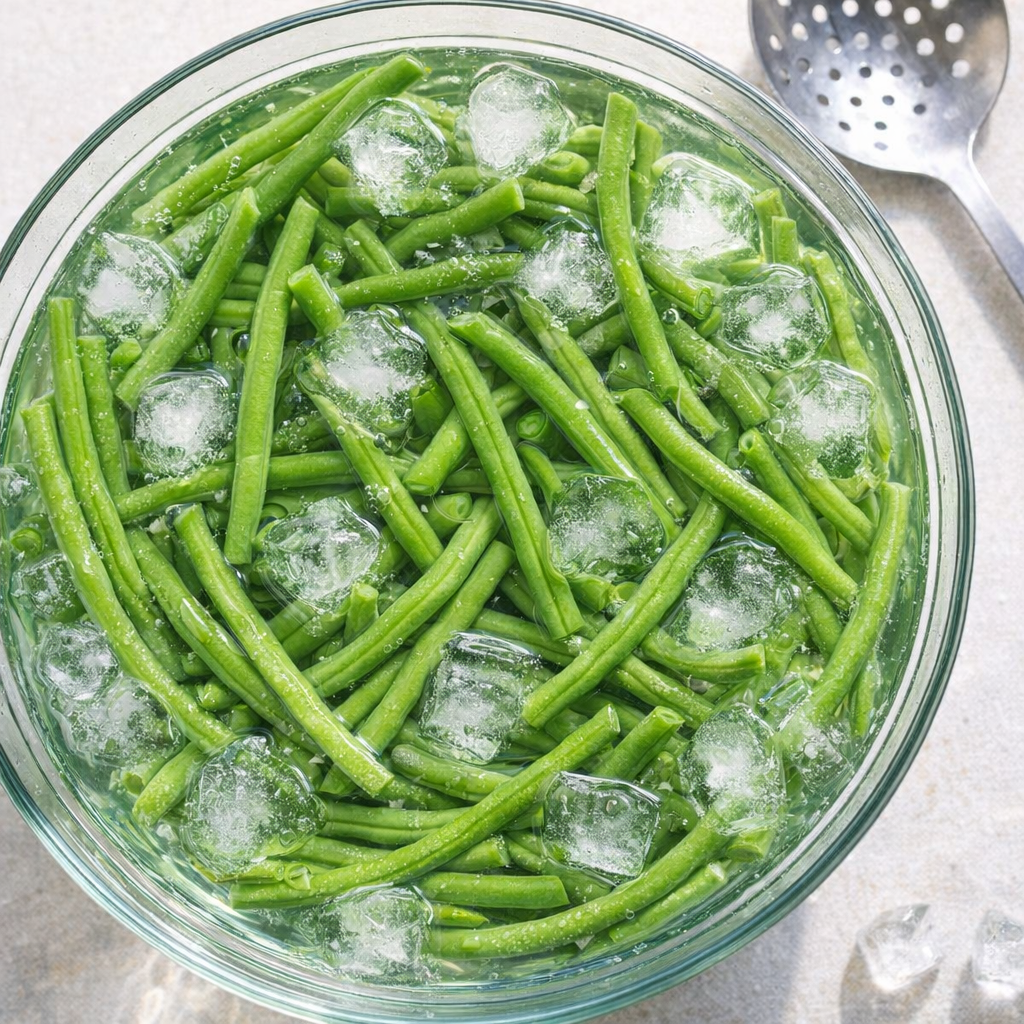
The penny trick is just one of many methods people use to keep green beans green. Another common technique is to blanch the beans in boiling water for a short time and then immediately transfer them to an ice bath. This method effectively stops the cooking process and preserves the green color.
While the penny trick is intriguing, traditional methods like blanching or adding a pinch of baking soda to the water are more commonly recommended and have a proven track record of success. These methods also avoid the potential concerns associated with using a non-food item in cooking.
9. Taste Test: Did the Penny Change Flavor or Texture?
After observing the visual results, the next step was to taste the beans. I was curious to see if the penny had any impact on the flavor or texture of the green beans. To my relief, the taste of the beans was unaffected. They retained their natural flavor, with a slight hint of salt from the boiling water.
The texture was also just as expected—tender yet crisp. The penny did not seem to impart any metallic taste or alter the beans’ texture, which was a positive outcome for this experiment.