Money can be tight, but most people still have a few things they refuse to give up. Whether it’s a daily habit, a favorite hobby, or something that simply brings comfort, certain purchases seem to stay in the budget no matter how challenging finances become.
These spending choices aren’t necessarily right or wrong. They simply reflect what people value most and where they’re willing to spend when every dollar counts.
Here are 10 things many people continue to buy, even during difficult financial times.
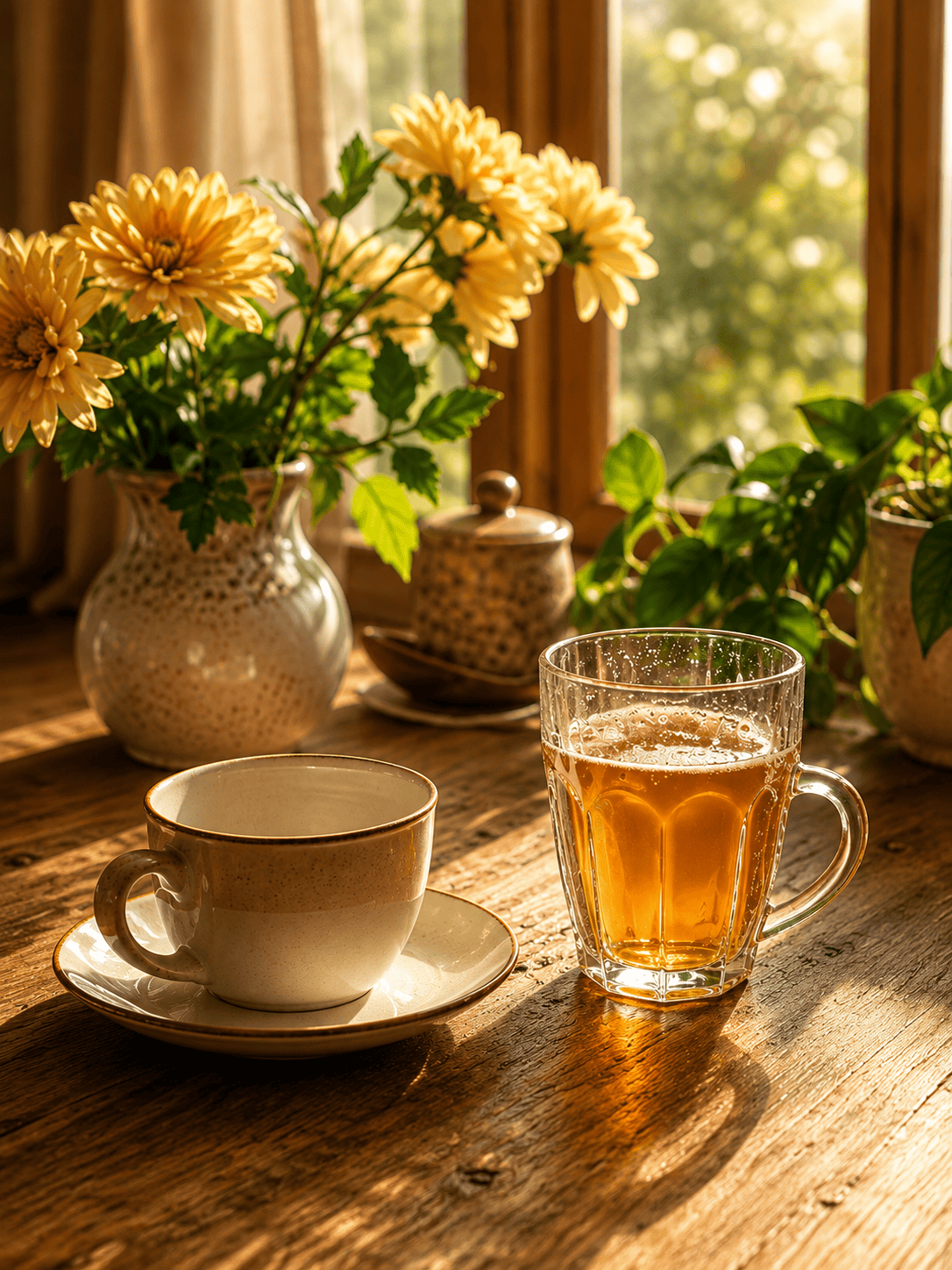
1. Coffee
For some, that morning cup of coffee is non-negotiable.
Whether it’s brewed at home or picked up from a favorite café, coffee remains one of the small daily pleasures many people aren’t willing to skip.
Some save money by making it themselves, while others budget for occasional coffee shop visits.
2. Cell Phone Service
A smartphone has become an essential tool for everyday life.
People rely on their phones for:
- Work
- Banking
- Navigation
- Emergency calls
- Staying connected with family and friends
For most households, phone service is viewed as a necessity rather than a luxury.
3. Internet Access
Reliable internet is important for education, remote work, entertainment, and managing household finances.
Even families cutting back in other areas often prioritize keeping their internet service active.
4. Pets
Pet owners frequently place their animals’ needs ahead of their own.
Food, veterinary care, medications, and supplies often remain a priority because pets are considered part of the family.
5. Birthdays and Holidays
Many families continue buying gifts for birthdays and holidays, even when budgets are tight.
The spending may be smaller, but celebrating loved ones often remains important.
6. Streaming Services
Instead of spending money on expensive nights out, many people choose one or two streaming subscriptions for affordable entertainment at home.
Watching movies or favorite TV shows together can be a budget-friendly way to relax.
7. Children’s Activities
Parents often work hard to keep children involved in sports, music lessons, school events, or other activities.
Many see these experiences as valuable investments in their children’s growth and development.
8. Small Comfort Foods
Even during financially difficult times, people often budget for affordable treats.
Popular examples include:
- Ice cream
- Pizza
- Chocolate
- Chips
- Favorite snacks
These inexpensive comforts can provide a welcome break from everyday stress.
9. Haircuts
While some people cut their own hair, many continue paying for regular haircuts because they value feeling confident and well-groomed.
Some simply extend the time between appointments to save money.
10. Hobbies
Reading, gardening, knitting, fishing, crafting, or other hobbies can help reduce stress and improve well-being.
Many people continue setting aside a small amount of money for activities they truly enjoy.
Why Spending Priorities Differ
Every household has different financial responsibilities and personal values.
Factors that influence spending include:
- Family size
- Income
- Health needs
- Career demands
- Lifestyle
- Personal goals
What feels essential to one person may seem optional to someone else.
Tips for Building a Balanced Budget
If you’re trying to stretch your money further:
- Track your monthly spending.
- Separate needs from wants.
- Plan for unexpected expenses.
- Look for discounts and sales.
- Set aside money for savings whenever possible.
- Leave room for small personal treats that fit your budget.
A realistic budget is often easier to maintain than one that’s overly restrictive.
Frequently Asked Questions
Is it okay to spend money on small treats when you’re on a budget?
For many people, allowing room for occasional affordable treats can make a budget easier to stick with over time.
What’s the difference between a need and a want?
Needs are essential expenses such as housing, utilities, and food. Wants are items or experiences that improve quality of life but aren’t necessary for basic living.
Should hobbies be part of a budget?
If they fit within your financial plan, hobbies can support relaxation, creativity, and mental well-being.
How can I reduce spending without feeling deprived?
Focus on cutting costs in areas that matter least to you while preserving the purchases and activities that provide the most value.
Final Thoughts
Everyone’s financial situation is different, and there’s no single “correct” way to spend your money. What matters most is making thoughtful choices that align with your needs, responsibilities, and personal priorities.
Even during challenging times, many people continue budgeting for the things that bring comfort, connection, or peace of mind. The key is finding a balance that supports both your financial goals and your everyday life.