
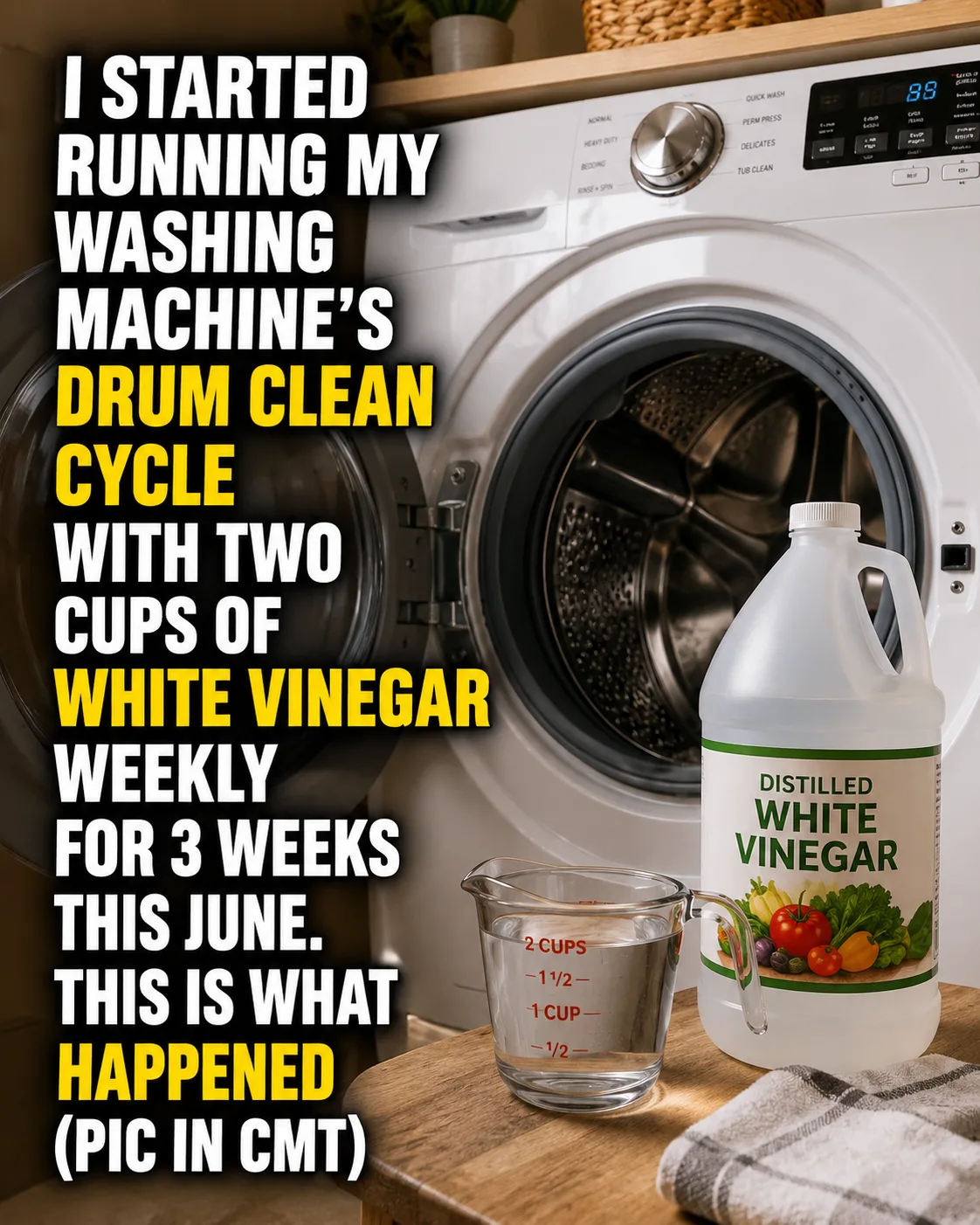
If your washing machine doesn’t smell as fresh as it used to, you’re not alone. Over time, detergent residue, fabric softener, hard water minerals, and moisture can build up inside the drum. The result? Musty odors and a machine that may not clean clothes as well as it should.
Many people swear by using white vinegar during a drum clean cycle, but does it actually work? Here’s what happened after running a washing machine’s cleaning cycle with white vinegar once a week for three weeks—and what you should know before trying it yourself.
Why Washing Machines Need Regular Cleaning
Even though your washing machine cleans clothes, it also collects residue.
Over time, buildup can include:
- Detergent residue
- Fabric softener deposits
- Hard water minerals
- Lint
- Mold and mildew in damp areas
Front-loading washers are especially prone to developing odors because moisture can remain trapped around the door gasket.
Why People Use White Vinegar
White vinegar contains acetic acid, which can help dissolve some mineral deposits and soap residue.
Many homeowners use it because it’s:
- Affordable
- Easy to find
- Simple to use
- Free of added fragrances
However, vinegar is not a disinfectant for every household cleaning task, and some appliance manufacturers discourage frequent vinegar use because repeated exposure to acid may contribute to wear on certain rubber seals over time. Always check your washing machine’s owner’s manual before using it.
Week 1: The Machine Smelled Fresher
After running the drum clean cycle with two cups of white vinegar, one of the first noticeable changes was a reduction in musty odors.
The inside of the drum looked cleaner, and there was less detergent residue visible around the door.
Week 2: Less Residue Around the Drum
During the second cleaning cycle, remaining soap buildup continued to loosen.
The rubber gasket and detergent dispenser were easier to wipe clean, and the washer maintained a fresher smell between laundry loads.
Week 3: A Cleaner-Looking Machine
By the third week, the drum appeared noticeably cleaner, and lingering odors had mostly disappeared.
While vinegar helped remove light buildup, heavily soiled areas still required hand cleaning with a soft cloth.
No cleaning method completely replaces regular maintenance.
How to Clean a Washing Machine Safely
If your manufacturer allows vinegar, here’s one common approach:
- Empty the washing machine.
- Pour about 2 cups of white vinegar into the drum.
- Run the drum clean or hottest available cycle.
- Wipe the drum, door gasket, and detergent drawer after the cycle finishes.
- Leave the washer door open to air dry.
Always follow your appliance manufacturer’s care recommendations.
Other Ways to Keep Your Washer Fresh
In addition to periodic cleaning:
- Leave the door open after each load.
- Dry the rubber door seal regularly.
- Clean the detergent dispenser monthly.
- Avoid using more detergent than recommended.
- Remove wet laundry promptly after the cycle ends.
These habits help reduce moisture and residue that can lead to odors.
Frequently Asked Questions
Can I use vinegar every week?
Some manufacturers advise against frequent vinegar use because its acidity may gradually affect certain rubber components. Check your owner’s manual before making it part of your regular routine.
Is vinegar better than commercial washing machine cleaners?
Both can help remove residue. Commercial cleaners are often formulated specifically for washing machines, while vinegar is a common household alternative. Follow your manufacturer’s recommendations.
Can vinegar remove mold?
Vinegar may help clean some surface buildup, but heavy mold or mildew may require additional cleaning or products recommended by your appliance manufacturer.
Should I mix vinegar with bleach?
No. Never mix vinegar with bleach because the combination produces harmful chlorine gas.
Final Thoughts
Cleaning your washing machine regularly can help reduce odors, remove detergent buildup, and keep the appliance performing its best. White vinegar may help loosen light residue when your manufacturer approves its use, but it’s important not to assume it’s the right choice for every machine.Before trying any cleaning method, check your owner’s manual for approved cleaning products and maintenance instructions. Pairing occasional deep cleaning with simple habits like leaving the washer door open and wiping the gasket dry can go a long way toward keeping your machine fresh.