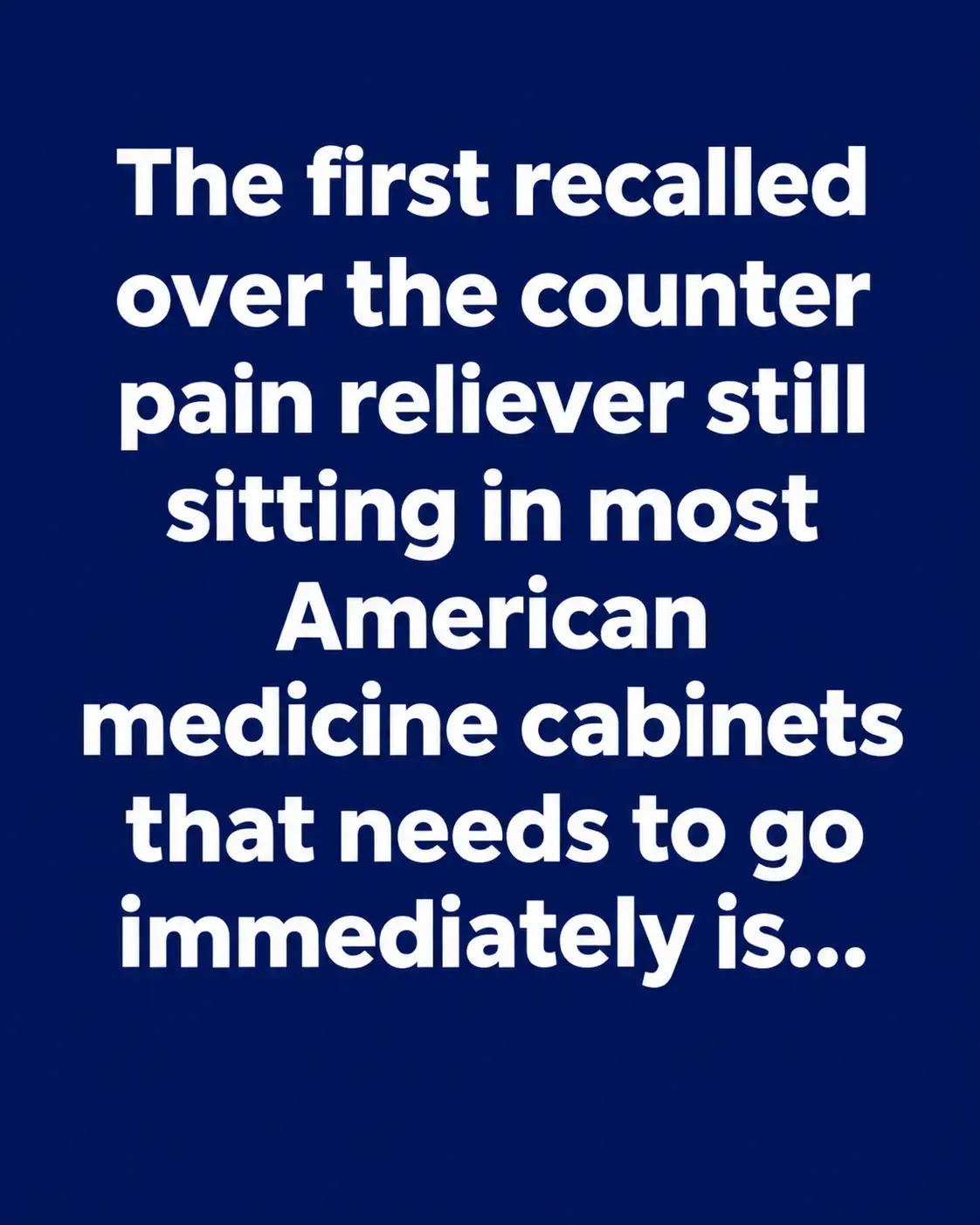
Most of us keep a bottle or two of pain reliever tucked behind the cough drops, bandages, and old thermometers, and I’ll tell you plain: that little habit can turn risky faster than people realize. Every fall, when I straighten out my own medicine cabinet and swap summer odds and ends for cold-weather basics, I’m reminded how easy it is for recalled over-the-counter pain medicines to sit unnoticed for months, sometimes years. A familiar label can make a product feel safe long after the Food and Drug Administration has warned otherwise.
In this piece, I’m walking you through 12 over-the-counter pain relievers and related pain products that have been part of FDA recalls and safety alerts and may still be lingering in American homes. The first one is the one I would check for immediately. I’ll also cover what made each product a concern, what details to look for on the package, and how to clean out your medicine cabinet sensibly and safely without second-guessing every bottle you own.
1. Infant ibuprofen oral suspension sold by CVS, Family Dollar, and other store brands
If I were telling my own children what to check first, it would be certain infant ibuprofen oral suspensions that were recalled because the concentration could be higher than labeled. That matters because infant medicines are dosed in very small amounts, often 1.25 milliliters or 2.5 milliliters at a time, and even a small labeling or potency problem can lead to a child getting more medicine than intended.
Several store-brand infant ibuprofen products were recalled after concerns that some bottles may have contained as much as 10% more ibuprofen than the labeled 50 milligrams per 1.25 milliliters. These products were sold under names many families trust because they look just like the brands they buy every season: CVS Health, Family Dollar, Equate, and others. If your cabinet still holds an infant pain reliever from a few years back, check the active ingredient, concentration, lot number, and expiration date very carefully. For a baby or toddler, this is not the sort of recall to shrug off and “use up anyway.”
2. Children’s pain relievers from the same recalled ibuprofen lots
Where there’s one family medicine recall, there’s often a matching children’s version sitting right beside it. In the ibuprofen recalls tied to concentration problems, some children’s products were also affected under private-label store names. Parents and grandparents often keep both infant and children’s bottles on hand, especially in homes where cousins or visiting grandchildren come through. That’s exactly why these products can remain in circulation long after the recall notice fades from memory.
Look for “ibuprofen oral suspension” on the front and compare the manufacturer details on the label. Many consumers remember the store where they bought it, but not the manufacturer. In recall situations, the manufacturer and lot information matter more than whether the bottle came from a pharmacy chain, dollar store, or big-box retailer. If the printing is faded or the box is gone, I would not gamble on it for a child.
3. Acetaminophen products recalled because of foreign material concerns
Acetaminophen is one of those medicines people buy in large bottles of 100, 250, or 500 tablets and then forget about for ages. Over the years, some acetaminophen products have been recalled because of possible contamination with foreign material, packaging defects, or manufacturing problems. When that happens, the danger may not be dramatic on sight. A tablet can look almost normal and still be part of a recalled batch.
For adults, acetaminophen seems harmless because it’s so common, but dosage already needs care. Regular strength is often 325 milligrams per tablet, and extra strength is commonly 500 milligrams per tablet. Add a product quality problem on top of that, and it’s simply not worth keeping a questionable bottle. If you have a half-used generic bottle with no outer carton and no purchase memory, inspect it closely and search the exact label wording before taking another dose.
4. Arthritis pain relievers with packaging mix-ups
One recall category I think people underestimate is the packaging mix-up. Some over-the-counter arthritis pain relievers and extended-release tablets have been recalled because the contents did not match the label or because tablets from one product were found in another bottle. That may sound like a factory nuisance, but it can turn serious quickly if someone thinks they are taking one strength and is actually taking another.
Arthritis formulas are especially common in medicine cabinets because older adults buy larger quantities and rely on routine. I understand that completely. In my house, if something works for a sore knee after canning day or a stiff shoulder after hauling wood, it tends to earn a permanent spot on the shelf. But if the bottle came from a recalled lot, routine is exactly what makes it dangerous. The safest habit is to keep the original bottle with the printed lot code intact and toss mystery pills stored in old organizers or zip bags.
5. Aspirin products recalled for contamination or labeling problems
Aspirin has been around so long that many of us treat it like salt and pepper: always there, always useful, always familiar. But recalls involving aspirin do happen, including contamination concerns, packaging defects, and labeling issues. Some bottles sold for pain relief, headaches, and heart-health routines have been affected at different times, and older adults are particularly likely to hang onto them.
A standard aspirin tablet is often 81 milligrams for low-dose or 325 milligrams for regular strength. If the label is smudged, the cap is loose, the cotton insert is missing where it shouldn’t be, or the tablets smell strongly of vinegar, that bottle deserves a second look even before you check for recalls. A vinegar smell can happen as aspirin breaks down over time. That does not always mean a recall, but it does mean the product is no longer in the condition you want.
6. Topical pain creams and gels found to contain undeclared ingredients
This is the section I wish more people paid attention to. Quite a few topical pain relief creams, gels, and roll-ons sold over the counter have been subject to FDA warnings or recalls because they contained undeclared drug ingredients. Some products marketed as herbal or all-natural have turned out to include prescription-strength substances or other active compounds not listed on the label.
That is especially worrisome for anyone with heart conditions, blood pressure concerns, or people already taking other medications. A tube of pain gel in the bathroom drawer may seem separate from what’s in the pill organizer, but the body still absorbs ingredients through the skin. If a pain cream promises unusually fast relief, “doctor strength,” or miracle results while being sold in a gas station, flea market, or unfamiliar online listing, I would be very cautious. Those are precisely the sorts of products the FDA often flags.
7. Lidocaine pain relief products with misleading strength claims
Lidocaine patches, creams, sprays, and gels have grown popular for back pain, joint aches, foot soreness, and the everyday strains of getting older. Some over-the-counter products are perfectly lawful and useful when labeled properly. Others have been recalled or warned against because the strength claim was misleading, the ingredients were not properly declared, or the product was marketed in a way that did not meet federal rules.
What to watch for is the percentage listed on the package, such as 4% lidocaine, and whether the product came from a known pharmacy or from an online seller with little identifying information. If a package looks homemade, has poor spelling, or claims to numb nearly everything for long periods without clear directions, don’t keep it around. When it comes to topical anesthetics, more is not better, especially if someone applies it over large areas of skin or under heat wraps.
8. Diclofenac and other topical anti-inflammatory products with recall histories
Topical anti-inflammatory medicines deserve their own mention because many folks assume they’re gentler than pills and therefore not something to monitor. But products containing ingredients like diclofenac, menthol combinations, or salicylates have been recalled in the past for manufacturing issues, contamination concerns, or labeling problems. They’re often kept in mudrooms, purses, bedside tables, and kitchen junk drawers rather than in the formal medicine cabinet, so they’re easy to miss.
Take 15 minutes and gather every pain-relief item from every room in the house. I do mean every room. Check the gardening tote, the glove compartment, the sewing basket, and that drawer by the recliner. Pain creams and gels migrate. If you find one with no cap, dried crust around the opening, or missing label information, there’s no point in saving it. A $9 tube is not worth the uncertainty.
9. Effervescent pain relievers with manufacturing or dissolution concerns
Fizzing pain relievers and powders for headaches can be convenient, especially for folks who dislike swallowing pills. But some effervescent over-the-counter pain products have been recalled over the years for manufacturing issues, incorrect ingredient levels, or problems affecting how the medicine dissolves. If a product is designed to dissolve in water within 30 to 60 seconds and it suddenly clumps, settles strangely, or leaves grit that wasn’t there before, that’s a sign to stop and investigate.
These products often come in foil packets or tubes, and once moisture sneaks in, quality can drop fast. In older farmhouses and humid bathrooms, that happens sooner than people think. I store tablets and powders in a cool, dry cabinet outside the bathroom for that very reason. Steam from showers and temperature swings from 55 to 85 degrees can shorten a medicine’s reliable life even before the expiration date.
10. Combination cold-and-pain medicines people forget contain pain relievers
This one catches households every single year. A recalled product may not say “pain reliever” in big letters, but it still contains acetaminophen or ibuprofen along with cough, cold, or sinus ingredients. If a box says “multi-symptom,” “cold and flu,” or “headache and fever,” there may be a pain medicine inside whether you think of it that way or not.
That matters because people often take a standalone pain reliever on top of the combination product without realizing they are doubling up. In a recall situation, it also means an affected medicine can stay in the house because no one thinks to search for it during a pain-reliever check. Read the Drug Facts panel line by line. If the active ingredient includes acetaminophen, ibuprofen, naproxen, or aspirin, it belongs in your review pile.
11. Store-brand naproxen and similar generics from recalled lots
Naproxen is another medicine people buy as a trusted generic and then hardly think about again. Common over-the-counter strengths are 220 milligrams per tablet or caplet, often marketed for back pain, menstrual cramps, joint pain, and all-day relief. Because it’s sold under so many private labels, a recall can be easy to miss. The store name on the front may change, but the manufacturing issue behind it may affect several chains at once.
When I help neighbors sort old medicine, generic pain relievers are the hardest for them to part with because they feel practical and thrifty. I understand that Midwestern instinct down to my bones. But thrift ends where safety begins. If a naproxen bottle has been opened for 2 or 3 years, stored in a damp bathroom, and maybe came from a recall period you can’t verify, replacing it is the sensible choice.
12. Imported or online-only pain relievers not sold through regular pharmacy channels
If there is one broad category I urge readers not to overlook, it’s pain relievers purchased online from unfamiliar third-party sellers or brought in from outside standard U.S. pharmacy channels. These products may be recalled, subject to import alerts, counterfeit, or simply not labeled to FDA standards. Some look nearly identical to known brands but have different language, odd lot coding, or ingredient lists that don’t line up with U.S. packaging.
This has become much more common in the last 5 to 10 years. A bargain bottle on a marketplace site can wind up beside your regular medicines and look perfectly ordinary. If you cannot clearly identify the manufacturer, distributor, expiration date, and active ingredient strength, it should not stay in the house. That may sound strict, but with pain relievers, especially ones taken when someone is feverish, tired, or caring for a child at 2 a.m., clarity matters.
How to check your medicine cabinet the right way this fall
Set aside 20 to 30 minutes and pull everything out into good light. Read every label front and back. Sort products into four groups: keep, expired, damaged, and needs recall check. Have a black marker, a trash bag, and a box for medicine take-back items. Check the FDA recall database and the manufacturer’s website using the exact product name, lot number, and expiration date.
Pay attention to signs of trouble beyond recalls: tablets that are chipped or stuck together, liquids that have changed color, separated suspensions that do not remix after shaking, cracked caps, missing safety seals, and faded labels. A product can be unsafe because of age or storage even if it was never formally recalled.
When to dispose of a pain reliever immediately
You do not need to wait for a pharmacist to bless every decision. If the product is recalled, expired, unmarked, leaking, contaminated, moldy-looking, heat-damaged, or missing its dosing cup or syringe for children’s use, it’s time for it to go. If the bottle has no readable lot number and you suspect it may match a recall, replacing it is the simplest and safest move.
For children’s medicine in particular, I would be even stricter. Tiny bodies do not have room for dosing mistakes. If there is any doubt about concentration, age range, or whether the product has been sitting opened since one grandchild was a baby and another is now in third grade, do not use it.
The safest way to get rid of recalled or expired products
The best option is a drug take-back program, often run through pharmacies, hospitals, or local law enforcement collection sites. Many communities hold take-back days in the spring and fall. If no take-back option is available right away, follow the disposal directions on the label. For many non-flush medicines, the general advice is to mix the contents with something undesirable like used coffee grounds or cat litter, seal them in a bag or container, and place them in the household trash.
Before throwing away the packaging, scratch out personal information on the label. If it is a liquid, make sure the cap is tight and the bottle is bagged so it doesn’t leak. And please don’t pass old medicine along to a neighbor or visiting relative. Medicines are not casserole dishes; they are not meant to be shared around.
A final word before you close that cabinet door
I’ve lived long enough to know that what sits quietly on a shelf can still cause trouble. Pain relievers feel ordinary because they’re part of everyday life: a headache after church supper cleanup, a sore back after raking leaves, a feverish child on a windy October night. But ordinary products still require fresh eyes now and then.
If you remember only one thing from this article, let it be this: check infant and children’s ibuprofen suspensions first, then work your way through the rest of your pain medicines one by one. A careful half hour this fall can spare you a dangerous mistake later, and that’s time well spent in any household.