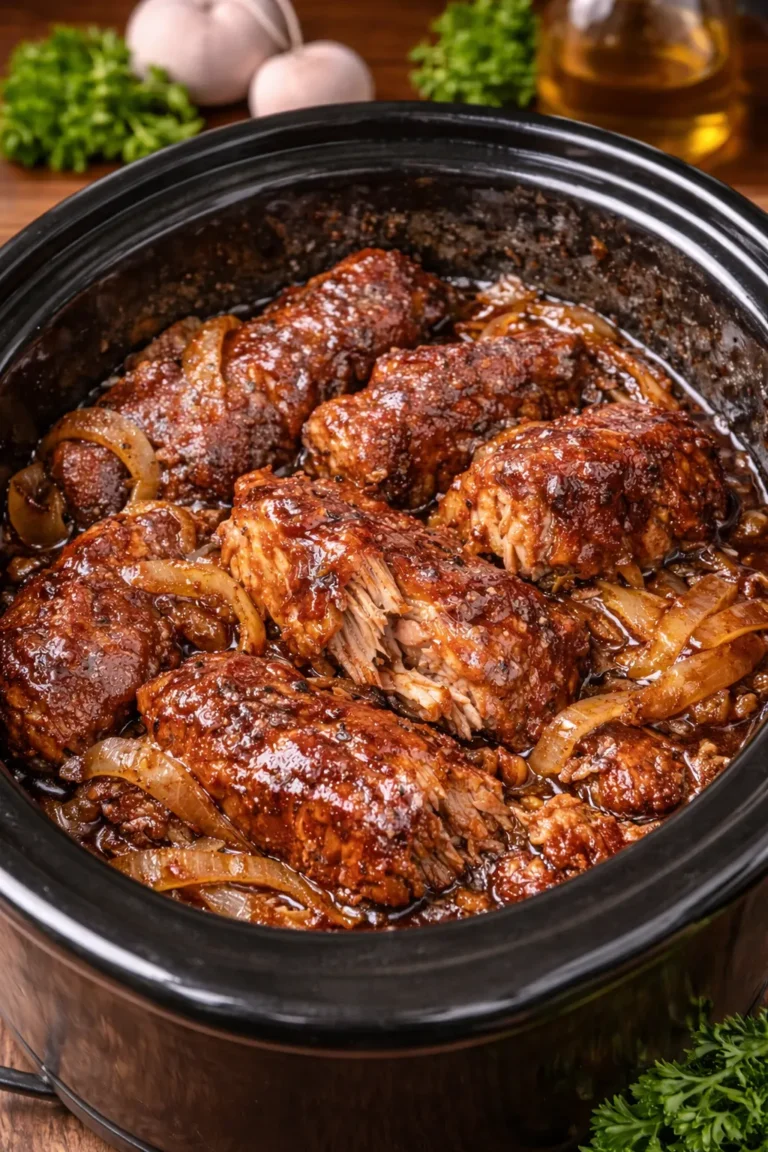
Slow cookers are a beloved kitchen appliance, especially on busy weeknights when you’re juggling work, errands, and figuring out dinner before everyone gets too hungry. I love being able to set something up earlier in the day and come back to a meal that feels homemade without a lot of last-minute effort.
However, the leisurely cooking process sometimes comes with unexpected surprises. Imagine preparing a delicious pasta sauce only to find unsettling white, worm-like threads floating in your dish. Such discoveries can be alarming, raising immediate concerns about food safety and the possibility of infestation.
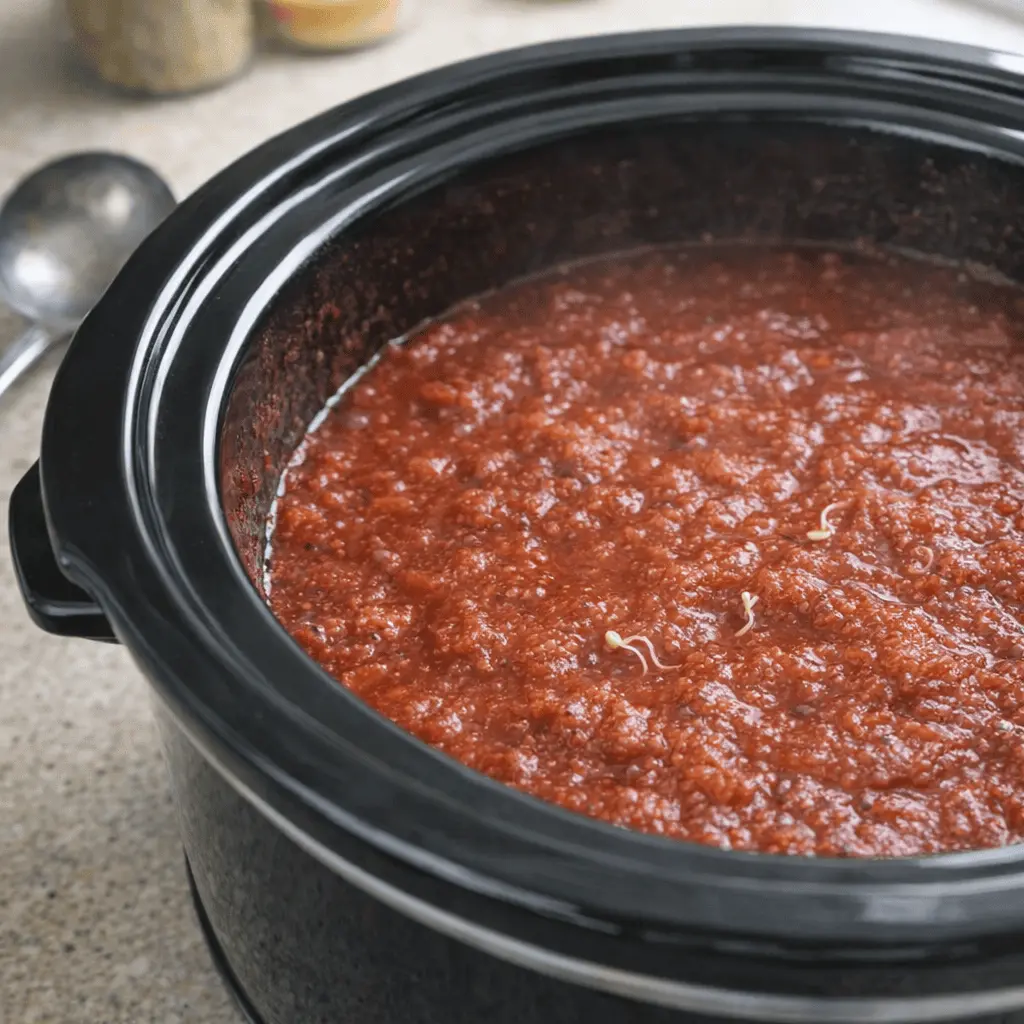
Before hastily discarding your meal, it’s essential to understand what these mysterious squiggles might actually be. While the initial sight may invoke thoughts of maggots or parasites, there are often more benign explanations.
Understanding the root cause can provide peace of mind and help prevent future kitchen surprises.
1. The Shocking Moment: When Your Slow Cooker Pasta Looks Infested
It’s a moment of pure horror: you lift the lid of your slow cooker, ready to serve what you hoped was a comforting meal, only to spot tiny white squiggles amidst the sauce. These intruders, measuring a few millimeters long, can bear an uncanny resemblance to maggots or small worms, particularly as they float and wiggle slightly in the liquid.
At this point, your mind races through the possibilities. Did an insect lay eggs in your ingredients? Could your pantry be infested? These questions are natural, as food contamination is a serious concern. However, before jumping to conclusions, it’s worth examining what these white threads truly are.
2. Why Those White Squiggles Probably Aren’t Maggots
While the sight of these white squiggles is undoubtedly unsettling, they are rarely a sign of a maggot infestation. Maggots typically require a different environment than what a slow cooker offers, as they thrive in decaying organic matter or areas where flies can lay eggs.

In most kitchen scenarios, the controlled cooking environment and the type of food being prepared make it unlikely for maggots to develop. Instead, these white squiggles are often a result of something more innocuous, such as sprouted seeds from ingredients like tomatoes or peppers used in your dish.
3. Sprouted Tomato Seeds: The Most Common Culprit Behind ‘Worms’
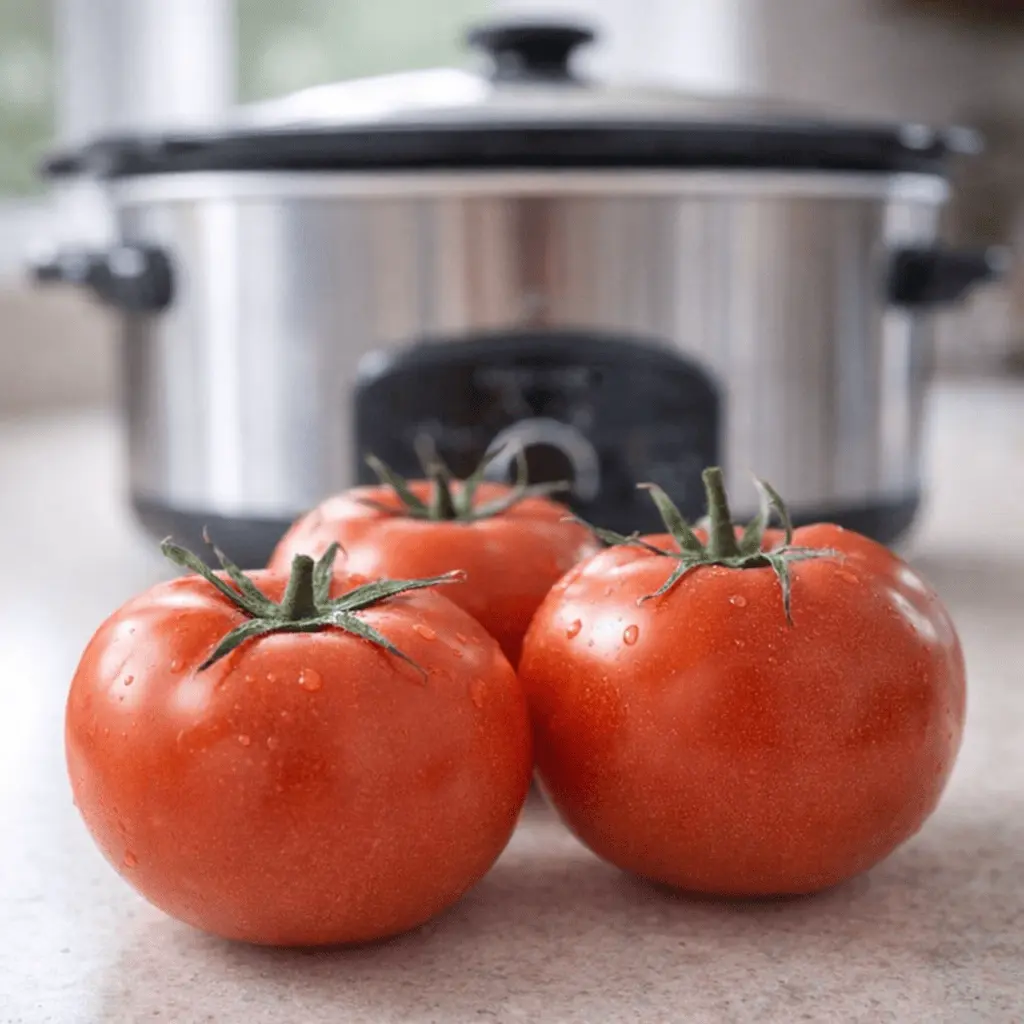
Tomatoes, a staple in many pasta sauces, can be a surprising source of these white, worm-like threads. Under certain conditions, the seeds within tomatoes can begin to sprout, especially if the fruit is overripe or has been stored improperly before use.
When a tomato seed sprouts, it produces a small, white shoot that can easily be mistaken for a worm. The slow cooking process, which maintains a consistent warm temperature and moisture, provides an ideal environment for this sprouting to occur, leading to the appearance of these unsettling floaters.
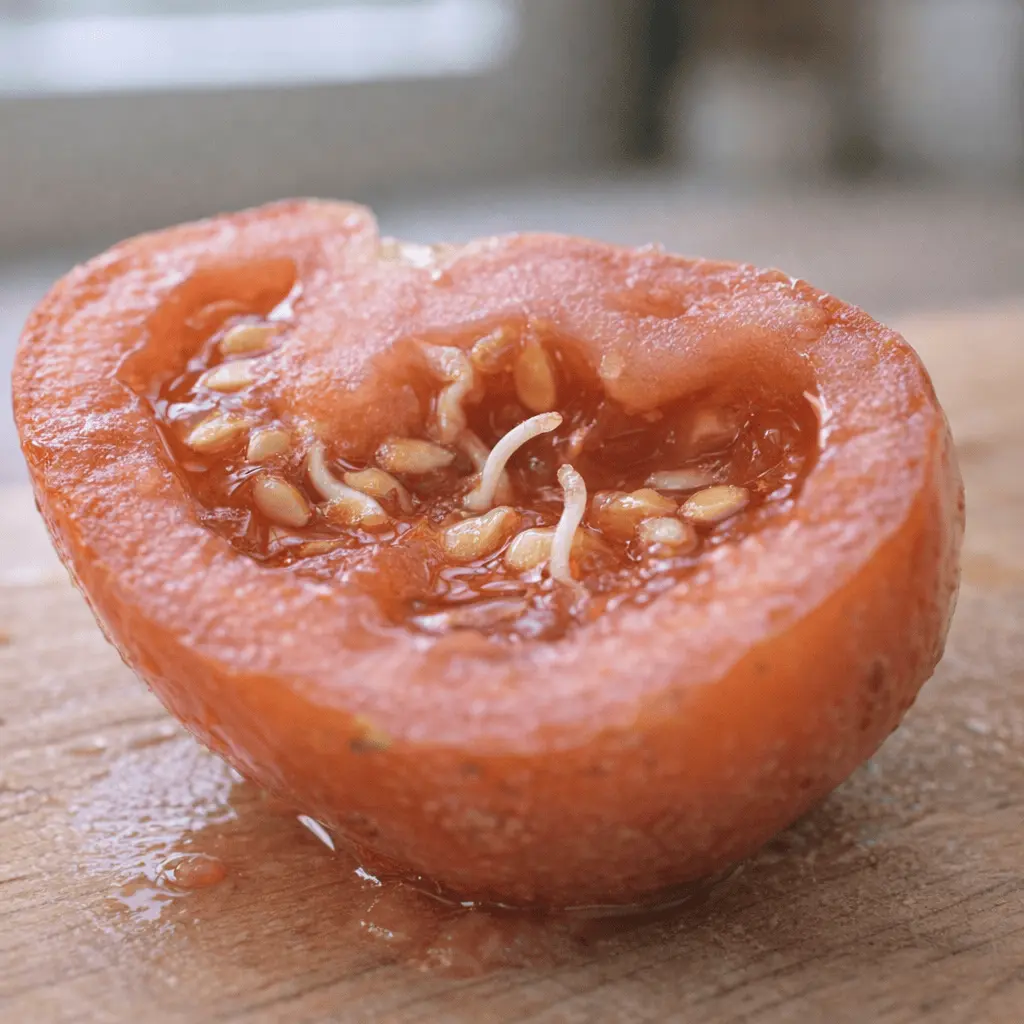
4. How Tomato Seed Sprouts Turn Into Worm-Like Floaters in Sauce
The transformation from tomato seed to sprout involves the germination process, where the seed absorbs moisture and begins to grow. In a slow cooker, the constant heat and moisture level can expedite this process, encouraging the seeds to sprout even within a few hours of cooking.
The sprouted seeds remain intact but produce a small white shoot that detaches from the seed, floating freely in your sauce. These shoots have a smooth, thread-like appearance, which can understandably be confused with worms or larvae.
5. Key Visual Clues: Sprouts Versus Real Maggots or Parasites
Differentiating between harmless sprouts and actual maggots or parasites is crucial for peace of mind. Sprouts are generally uniform in appearance, with a consistent white color and a smooth texture. They are typically straight or slightly curved, resembling a small piece of thread.
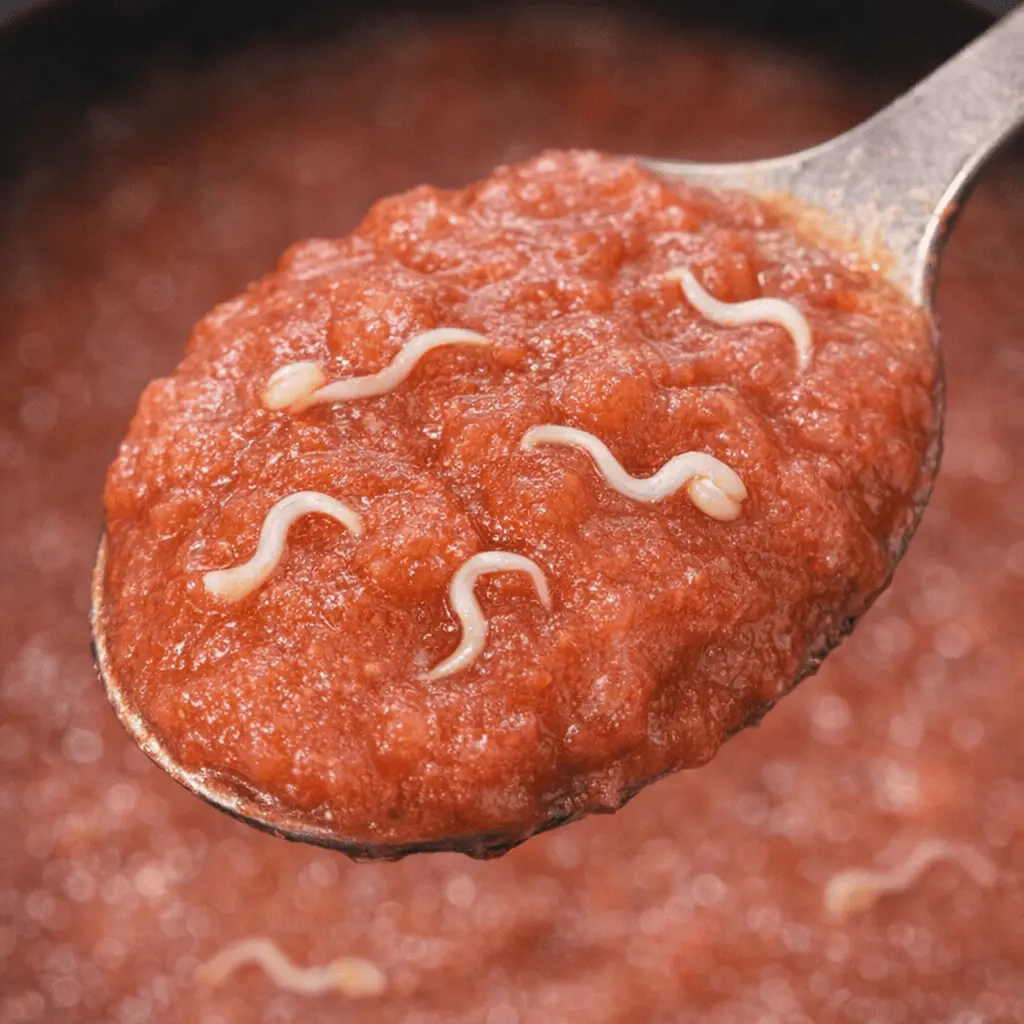
Maggots, on the other hand, tend to have a more segmented body structure with visible ridges. They are usually cream or off-white and can move independently. Observing these characteristics can help determine the true nature of what’s floating in your dish.
6. Food Safety Check: Is This Slow Cooker Pasta Still Safe to Eat?
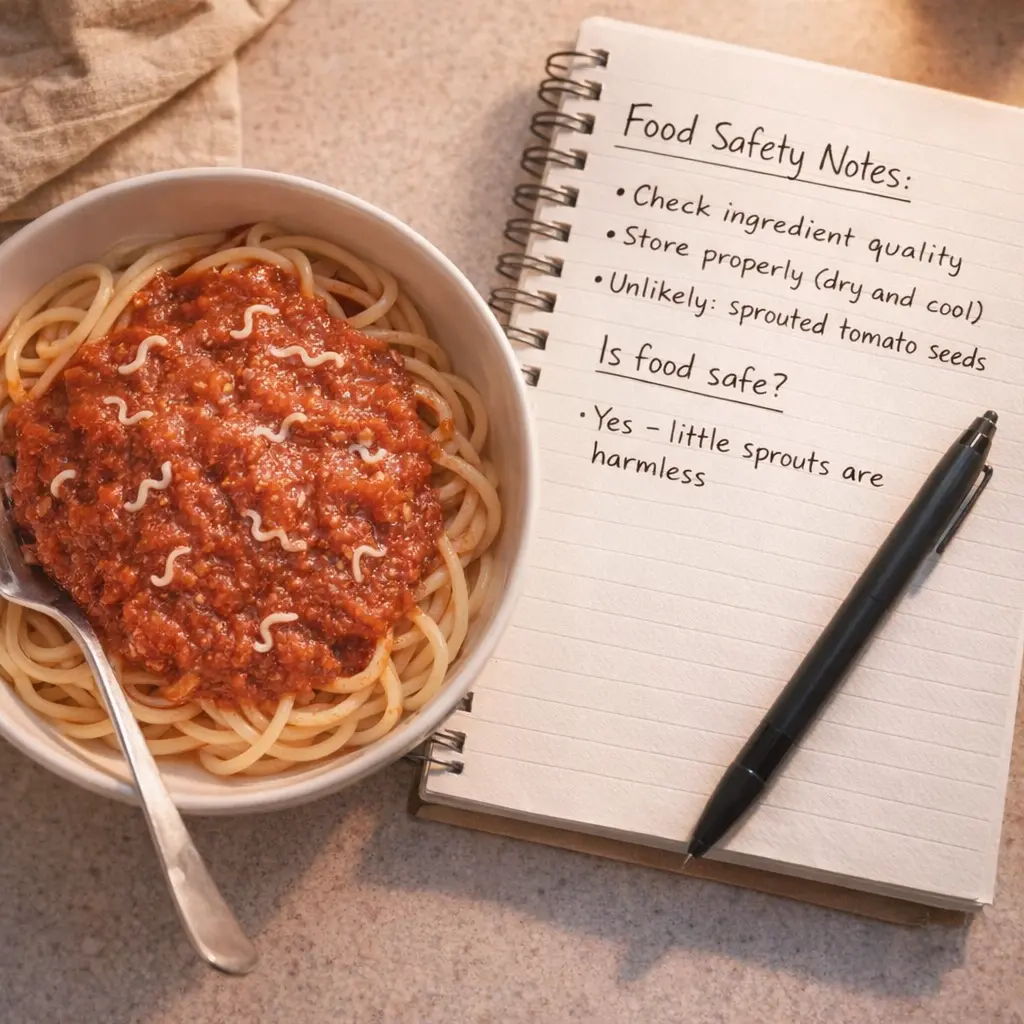
Once you’ve identified the white squiggles as seed sprouts, you might wonder if the dish is still safe to consume. Fortunately, sprouted seeds are not harmful to health. In fact, sprouted grains and seeds are often considered nutritious, offering additional vitamins and enzymes.
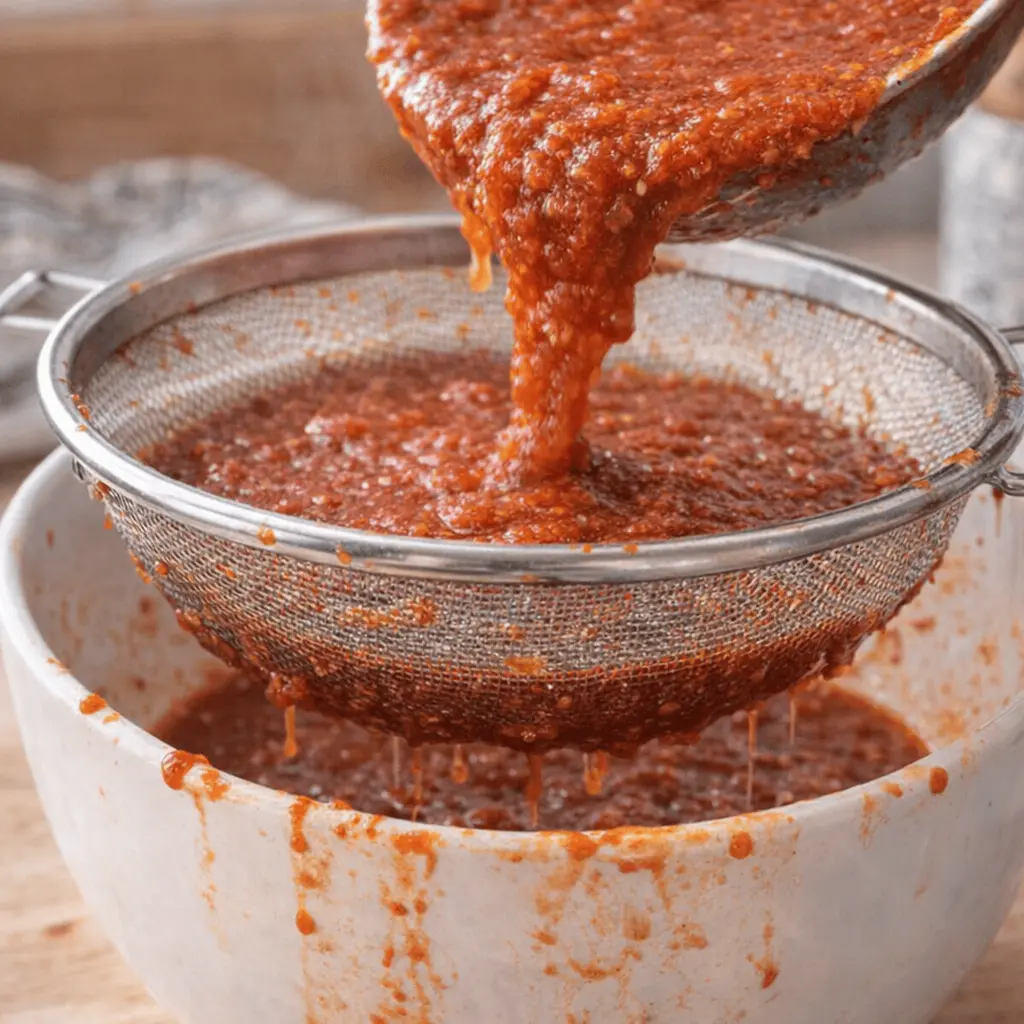
As long as the rest of your ingredients were stored and handled properly before cooking, the meal should be safe to eat. However, if the sight of the sprouts is too off-putting, you can strain the sauce to remove them before serving.
7. When It Might Actually Be Insects or Contamination
While rare, there is always a possibility of actual insect contamination, especially if ingredients were stored improperly. Signs that you might be dealing with an infestation include a foul odor, unusual discoloration in the sauce, or visible insect parts.
If you suspect contamination, it’s best to err on the side of caution and discard the dish. Additionally, inspect your pantry and storage areas for signs of pests to prevent future incidents.
8. How To Inspect Canned Tomatoes, Sauces, and Veg Before Cooking
Preventing unexpected surprises in your slow cooker starts with inspecting your ingredients. Check canned tomatoes for bulging or rust, which can indicate spoilage. Fresh tomatoes should be firm and free of mold or soft spots.
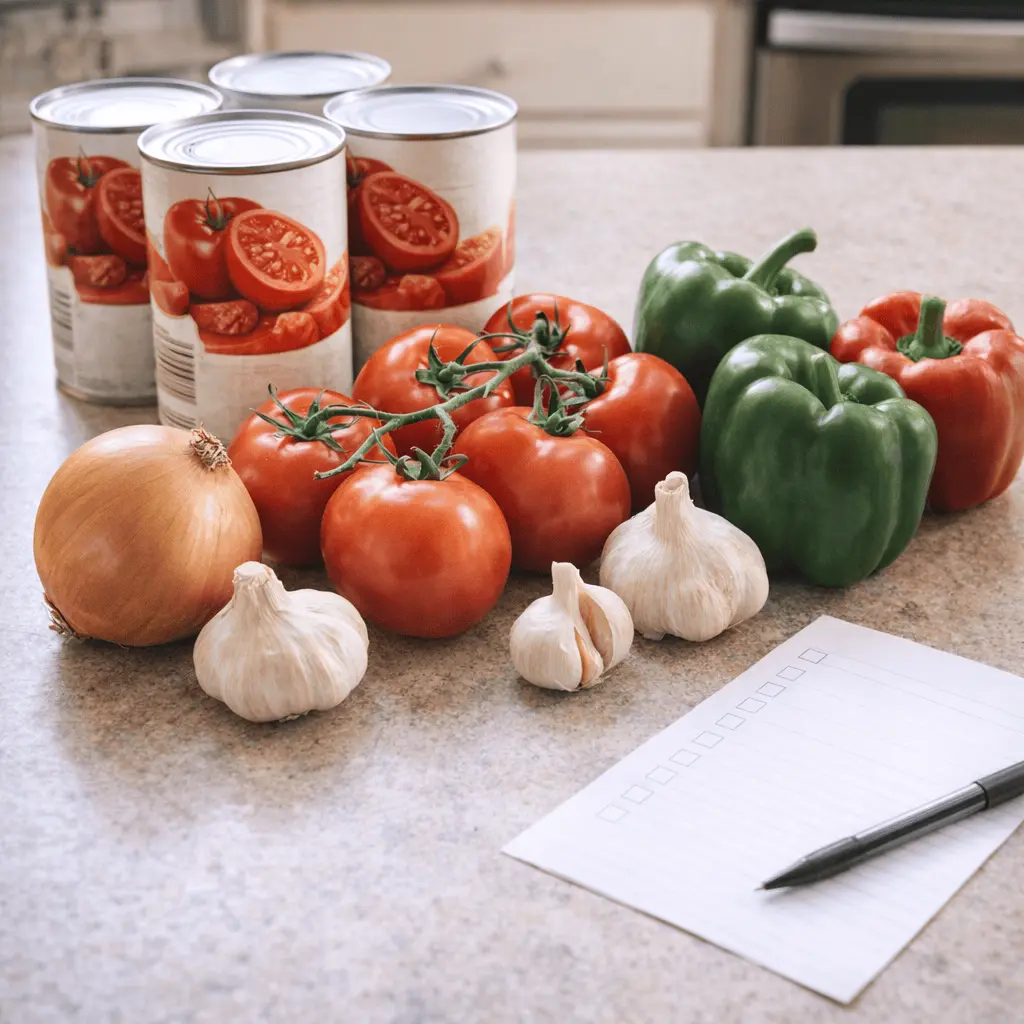
Inspect other vegetables for signs of over-ripeness or decay, and give them a thorough rinse before use. Taking these steps ensures you’re starting with the highest quality ingredients, minimizing the chances of contamination or sprouting seeds.
9. Slow Cooker Habits That Can Make These Seed Sprouts More Likely
Certain habits can increase the likelihood of sprouted seeds in your slow cooker. Using overripe tomatoes or storing them in warm, humid conditions can promote sprouting. Additionally, cooking at lower temperatures for extended periods can create an ideal environment for seed germination.
To reduce this risk, choose fresh, firm tomatoes and store them in a cool, dry place. If using canned tomatoes, opt for those without added salt or preservatives, which can also affect the integrity of the seeds.
10. What To Do If You’ve Already Eaten ‘Wormy’ Looking Pasta
If you’ve already consumed the pasta with sprouted seeds, there’s generally no cause for concern. Sprouted seeds are safe to eat and pose no health risks. However, if you experience any unusual symptoms or have concerns about potential contamination, it’s wise to monitor your health and consult a medical professional if necessary.
As a precaution, ensure all your food storage practices align with food safety guidelines to prevent future incidents.
11. When To Call a Doctor or Report a Food Safety Concern
In situations where you suspect genuine contamination or experience adverse health symptoms after consuming a questionable dish, it may be necessary to seek medical advice. Symptoms such as nausea, vomiting, diarrhea, or abdominal pain warrant a call to your healthcare provider.
If you believe a commercial food product was contaminated, consider reporting it to the appropriate food safety authorities, such as the FDA or your local health department. This helps ensure public safety and can prevent others from encountering similar issues.