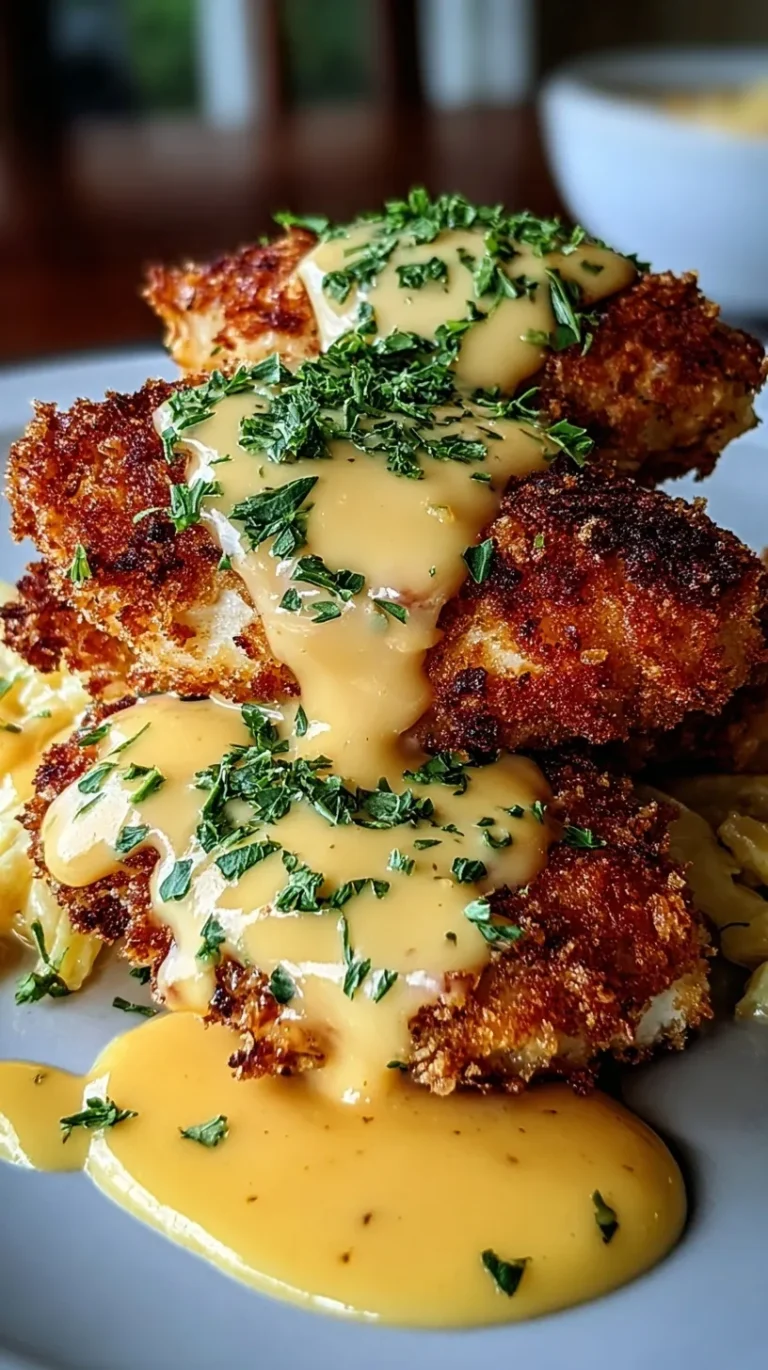
I’ll be honest: the first time I heard someone say they coat chicken in mayonnaise before baking, I made the same face I make when my husband suggests “just winging it” on dinner for company. Mayo on raw chicken sounded strange, a little unnecessary, and maybe even like one of those internet tricks that looks better in a video than it tastes on an actual Tuesday night in a Midwestern kitchen. But one busy weeknight, with a pack of chicken thighs in the fridge and no energy for a complicated marinade, I tried it myself.
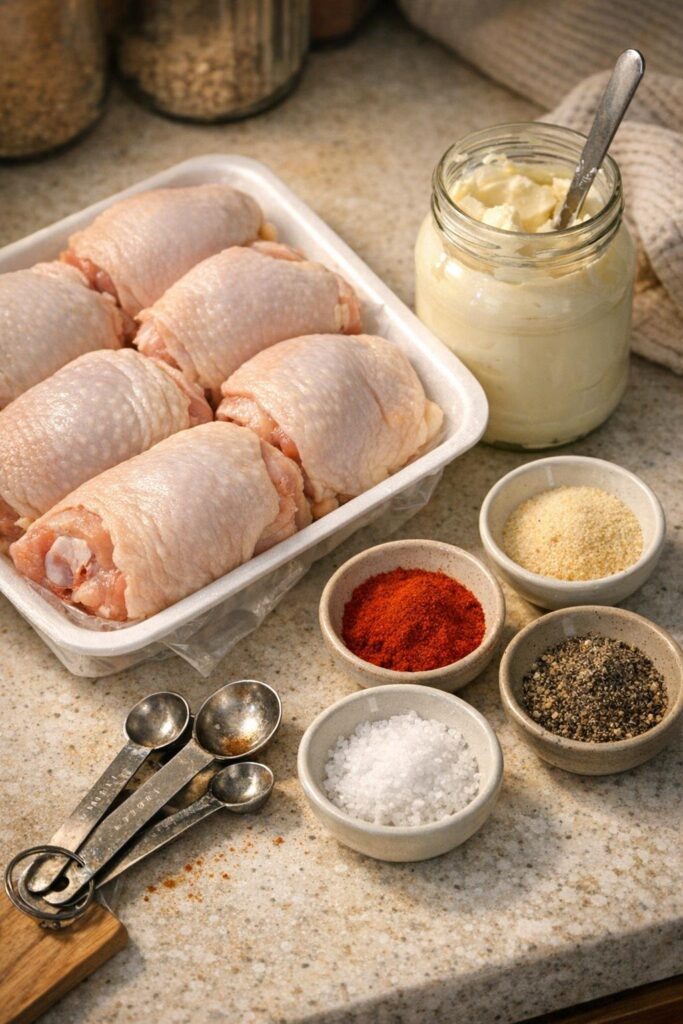
Forty-five minutes later, I pulled out chicken that was browned, juicy, deeply seasoned, and way more impressive than the amount of effort I put in. If you’ve been curious about the mayonnaise-on-chicken method, this is exactly what happened in my oven, why it works, how to do it right, and the mistakes I’d avoid if you want that golden, tender result on the first try.
1. Why I decided to try mayonnaise on chicken
I was staring at about 2 pounds of bone-in, skin-on chicken thighs at 5:40 p.m., which is usually the point in my day when ambition and reality stop being on speaking terms. I didn’t have time for a 4-hour marinade, and I wanted something more flavorful than plain oil, salt, and pepper. Mayo kept coming up as a shortcut for moist baked chicken, so I went with it.
The logic made sense once I stopped thinking of mayonnaise as just a sandwich spread. It’s basically oil, egg, and acid—usually vinegar or lemon juice. That means it can help carry seasoning, encourage browning, and lightly protect the surface of the meat while it bakes. In other words, it’s not magic, but it is useful.
2. What I used
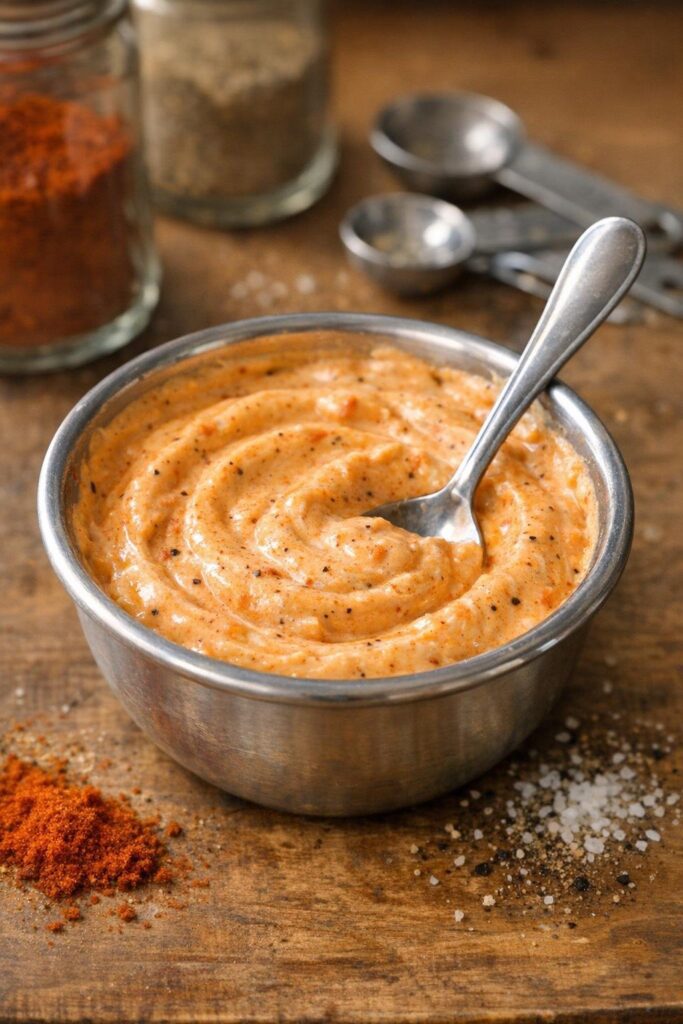
For this test, I kept the ingredient list simple so I could really tell what the mayonnaise was doing. I used 8 bone-in, skin-on chicken thighs, about 2 to 2 1/4 pounds total. For the coating, I mixed 1/2 cup mayonnaise with 1 1/2 teaspoons kosher salt, 1 teaspoon black pepper, 1 teaspoon garlic powder, 1 teaspoon smoked paprika, and 1/2 teaspoon onion powder.
If I were making this for guests, I might add 1 teaspoon Dijon mustard or 1 tablespoon grated Parmesan for extra flavor, but this round was intentionally basic. I wanted a weeknight version, not a special-occasion recipe with 14 ingredients and a sink full of prep bowls.
3. How I prepped the chicken
I patted the chicken dry with paper towels before adding anything. That step matters more than people think. If the chicken is wet, the mayo mixture slides around instead of clinging evenly, and the skin won’t brown as nicely.
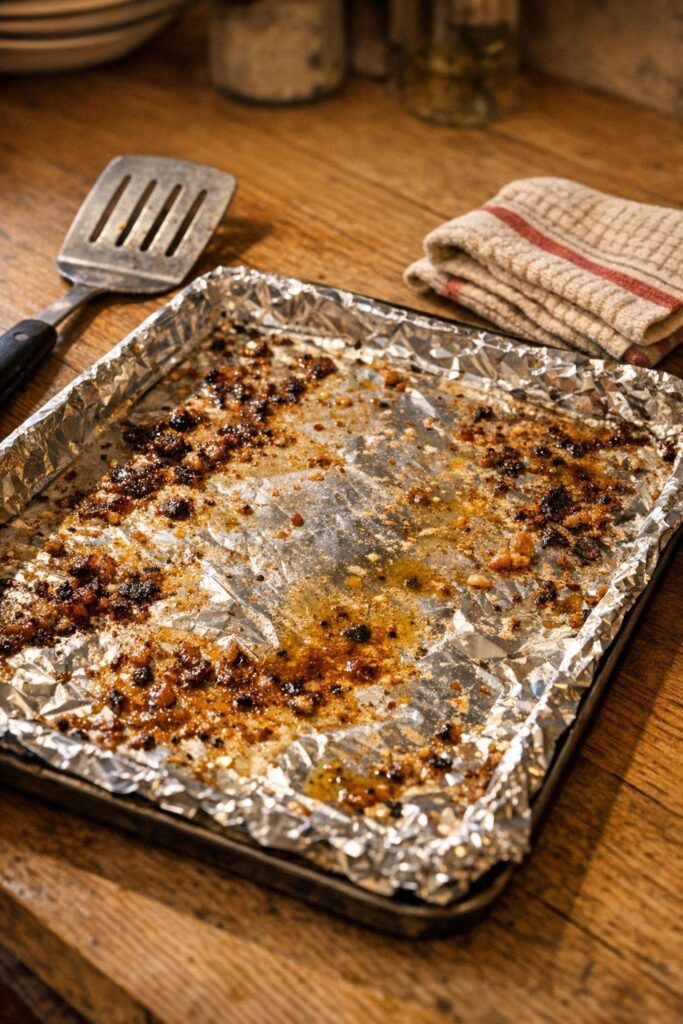
I trimmed a few loose bits of skin and fat, then arranged the thighs on a sheet pan lined with foil for easier cleanup.
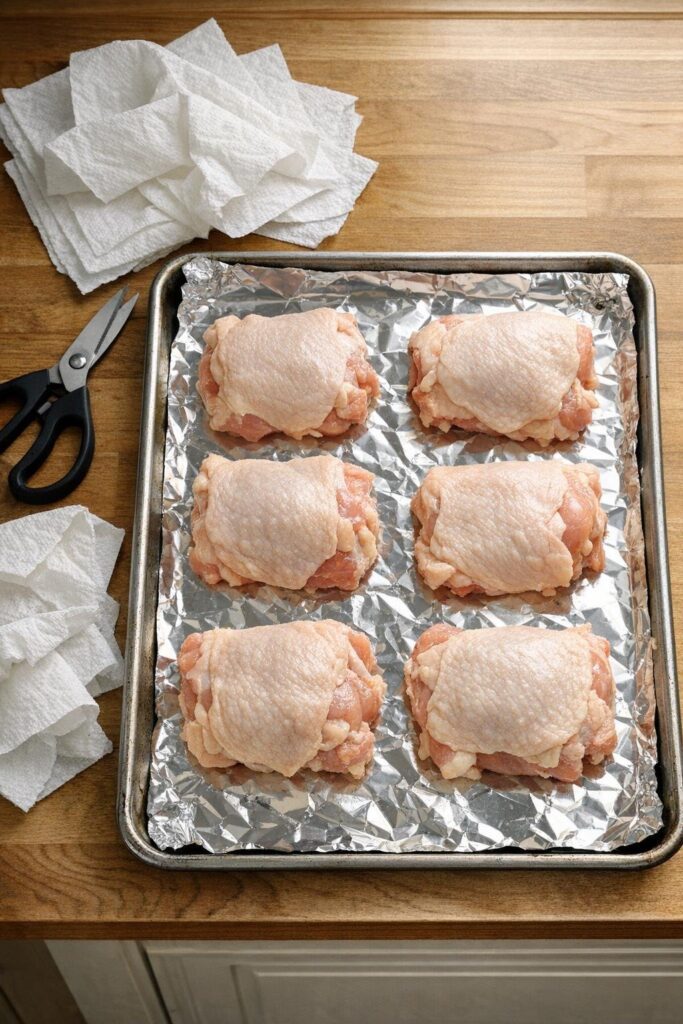
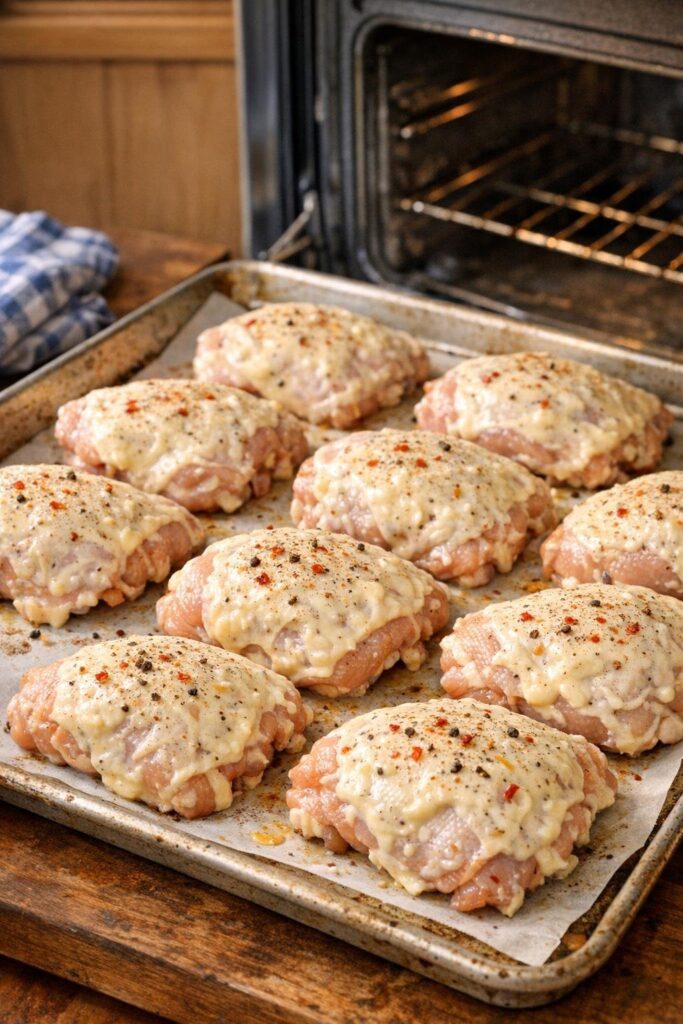
Next, I rubbed the mayonnaise mixture all over each piece—top, bottom, and around the sides. I used just enough to coat the surface in a thin, even layer. This was not a thick, gloppy blanket. For 8 thighs, the 1/2 cup was plenty. You want coverage, not a white frosting effect.
4. The exact baking setup
I baked the chicken at 425°F on the center rack of my oven. That higher temperature is a big part of why this method works well. At 350°F, the chicken would still cook, but you wouldn’t get the same browning or rendered skin in 45 minutes.
The thighs went skin-side up on the pan with a little space between each piece. Crowding traps steam, and steam is the enemy of browning. If I’m making a larger batch—say 12 to 14 thighs—I split them across 2 pans rather than squeezing them together.
5. What happened after 45 minutes
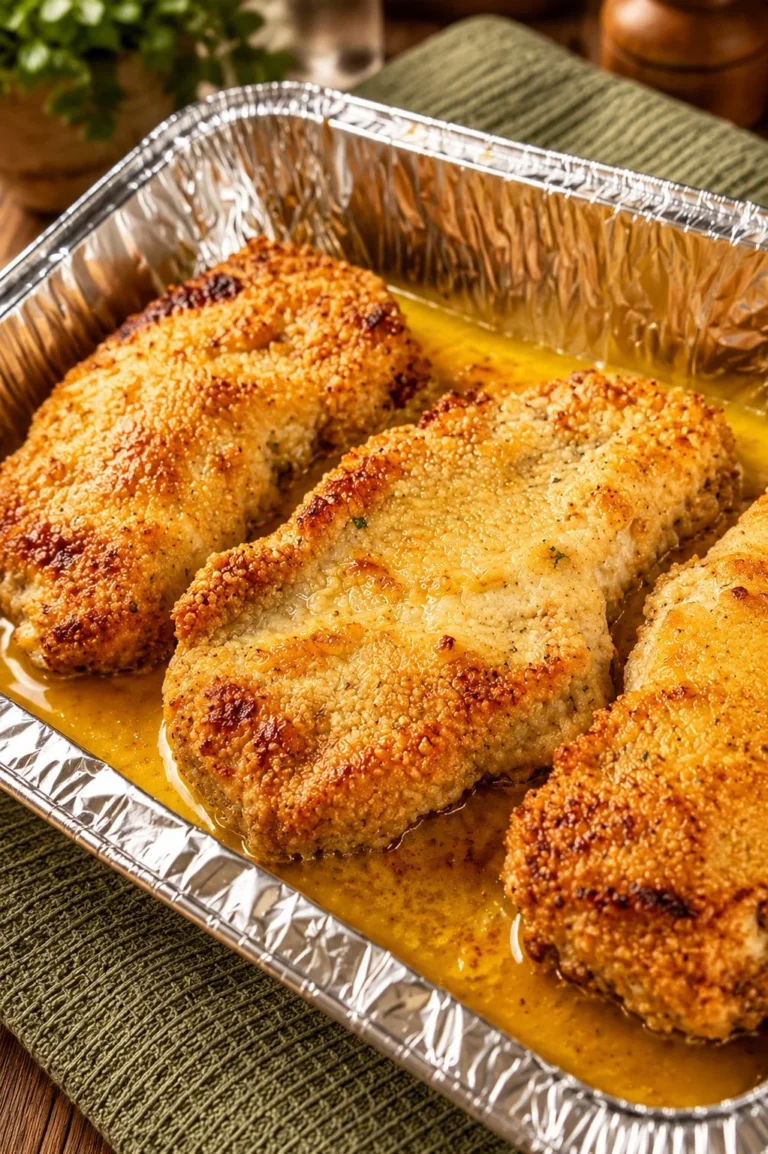
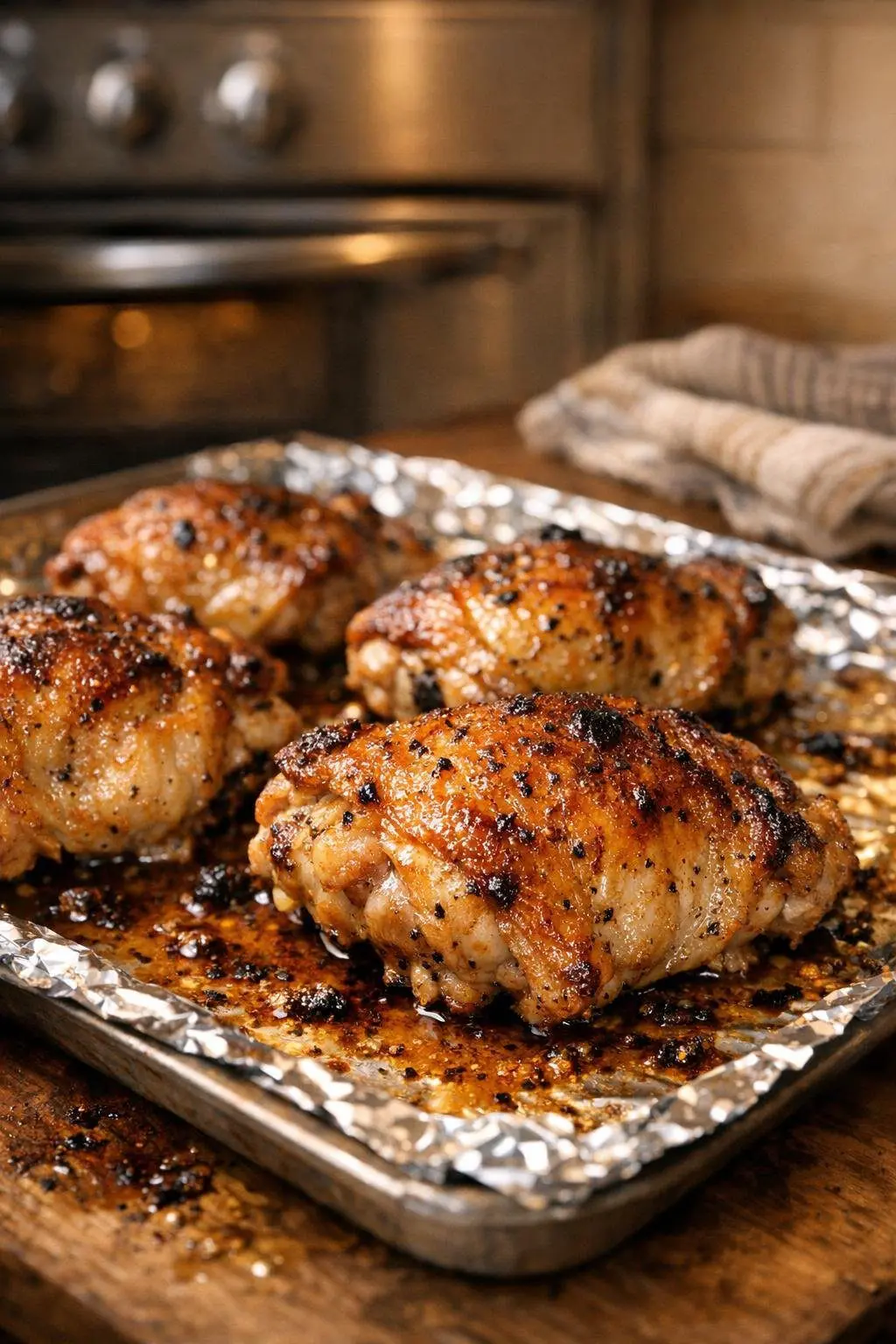
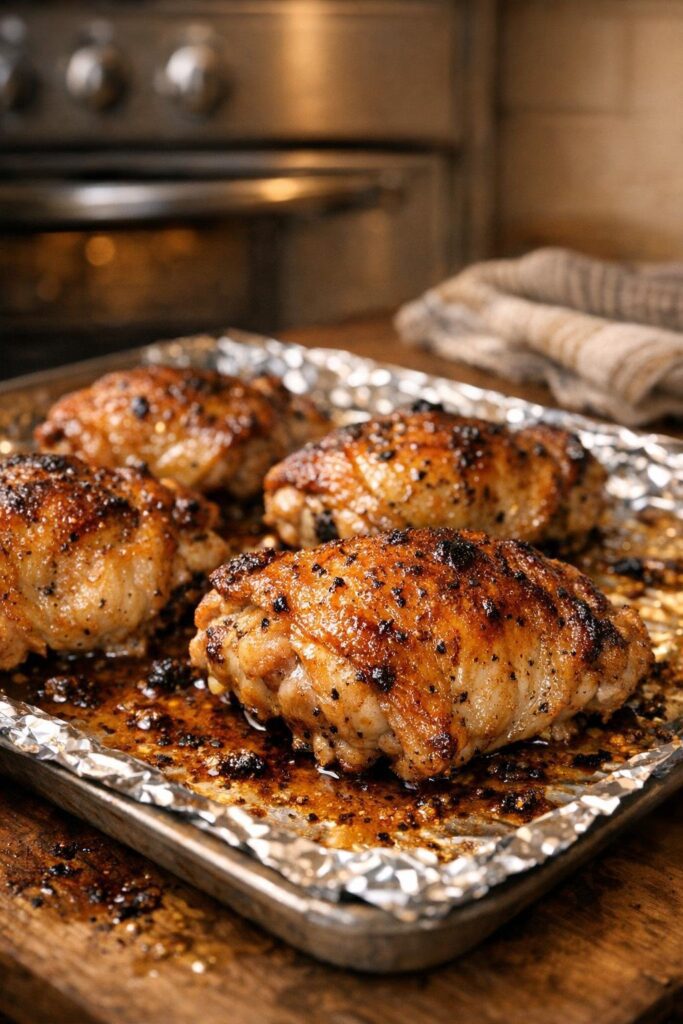
At the 45-minute mark, the chicken looked beautifully golden with darker, caramelized spots around the edges. The skin wasn’t shatteringly crisp like deep-fried chicken, but it was lightly crisp, well browned, and far from rubbery. The mayo had essentially melted into the seasoning and the rendered chicken fat, creating a savory coating rather than anything creamy or obviously mayonnaise-like.
The internal temperature in the thickest part of the thighs read between 178°F and 182°F on my instant-read thermometer. For chicken thighs, that higher finish temperature is actually great. Unlike chicken breasts, thighs stay tender and juicy well past 165°F because they have more fat and connective tissue to break down.
6. The texture was the biggest surprise
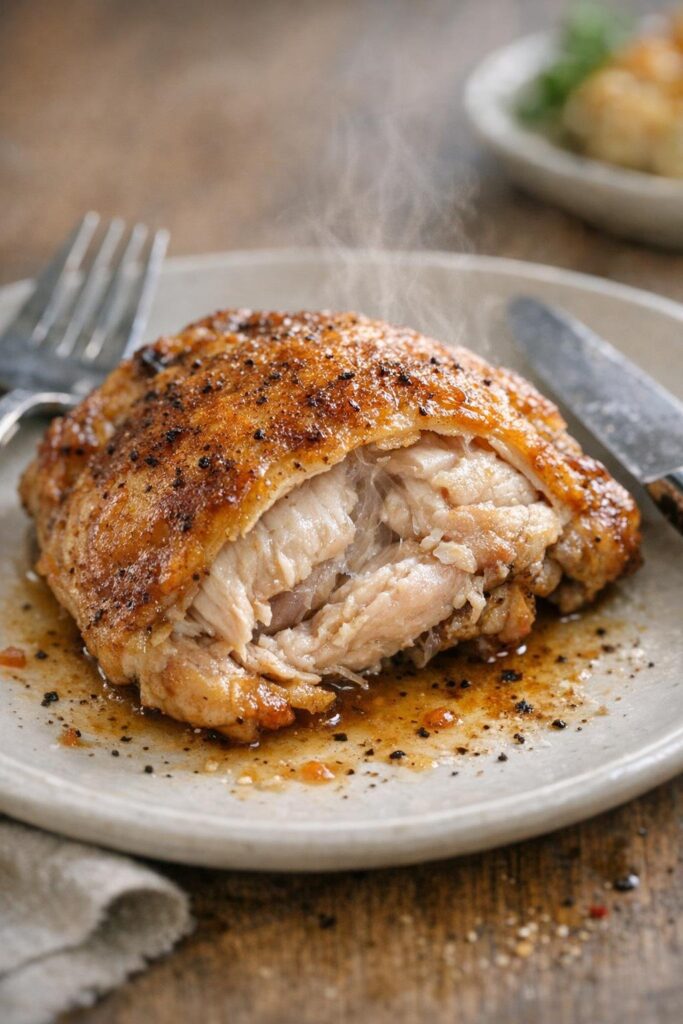
This was the part that sold me. The meat stayed juicy all the way to the bone, and the surface didn’t dry out the way oven-baked chicken sometimes can. Even the thinner edges, which usually turn tough first, stayed tender.
I think what impressed me most was how forgiving it felt. In a busy household, I don’t always catch chicken at the exact perfect second. This method gave me a little cushion. If the pan stayed in 3 to 5 minutes longer while I finished a salad or helped with homework, the chicken still came out moist.
7. What the mayonnaise actually did
Mayonnaise helps in a few practical ways. First, the oil in it promotes browning, much like brushing chicken with oil or melted butter would. Second, the egg helps the seasonings adhere to the surface, so you get a more even coating. Third, the acid adds a subtle brightness and can improve flavor on the outside layer.
What it does not do is soak deep into the chicken and transform it from the inside out. This is a surface treatment, not a 24-hour brine. But for a quick-prep dinner, that surface treatment makes a noticeable difference in color, flavor, and moisture retention.
8. How it tasted
The flavor was rich, savory, and well seasoned, with no distinct “mayo” taste. That’s probably the question I get most when I mention this trick. Once baked, mayonnaise doesn’t taste like cold mayonnaise from a jar. It just tastes like flavorful roasted chicken with a nicely browned exterior.
The smoked paprika and garlic powder came through especially well, and the salt level—1 1/2 teaspoons kosher salt for about 2 pounds of chicken—was right in the sweet spot for me. If you use table salt instead of kosher salt, I’d reduce that to about 1 teaspoon, since table salt is finer and tastes saltier by volume.
9. The mistakes that can ruin this method
The biggest mistake is using too much mayonnaise. More is not better here. A heavy layer can stay greasy and prevent the skin from browning properly. I aim for roughly 1 tablespoon of mayo mixture per thigh, maybe a touch more for extra-large pieces.
The second mistake is baking at too low a temperature. If you try this at 375°F and pull the chicken at 45 minutes, you may end up with pale skin and less rendered fat. The third mistake is skipping the drying step. Wet chicken plus mayo equals slippery coating and weaker browning.
10. Best cuts to use
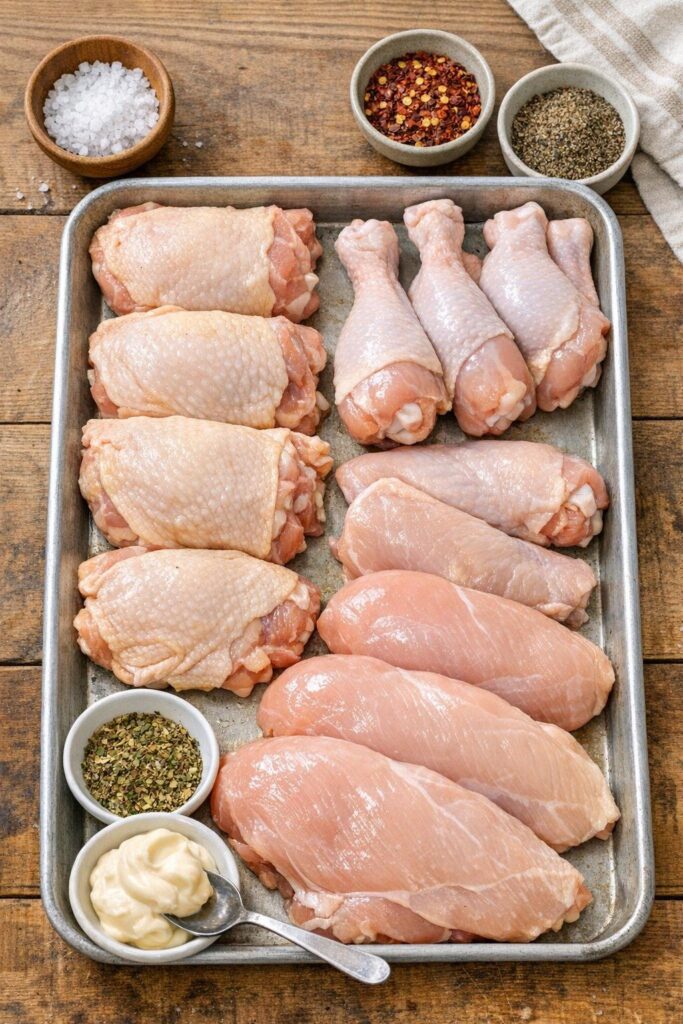
I think this method works best with bone-in, skin-on thighs and drumsticks because they have enough fat to stay flavorful and enough surface area to really benefit from the coating. For drumsticks, I usually bake them at 425°F for 40 to 45 minutes, depending on size.
You can also use boneless, skinless chicken breasts, but the timing changes. I’d bake medium breasts at 400°F for about 20 to 25 minutes, checking for an internal temperature of 165°F. The mayo helps protect them from drying out, but breasts still need closer attention than thighs.
11. Easy seasoning variations that work well
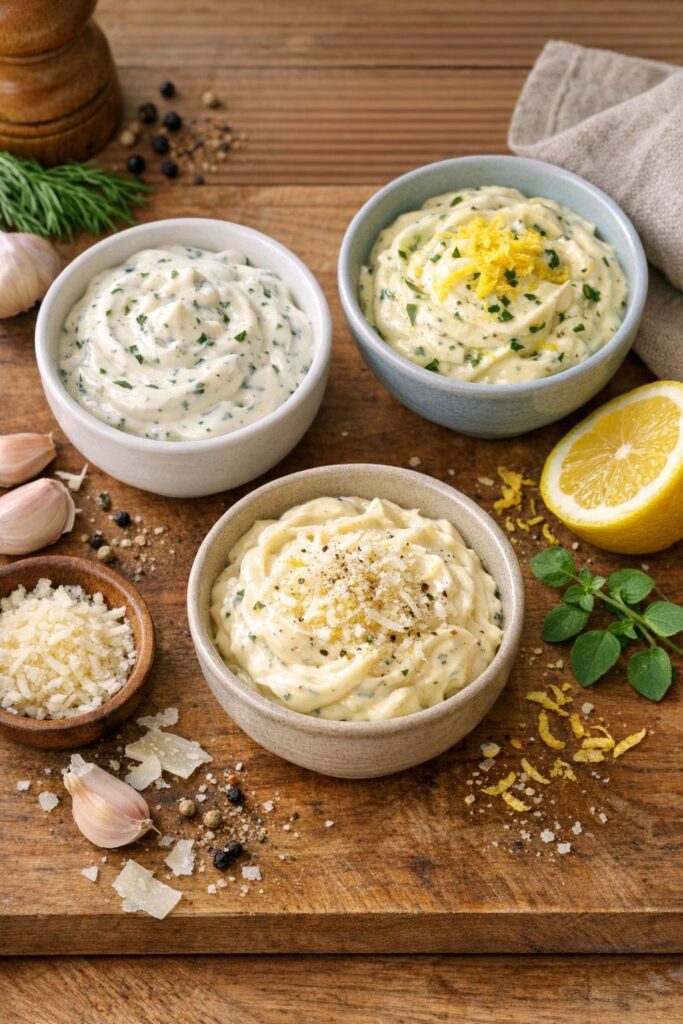
Once you get the basic method down, it’s easy to switch up the flavor. For a ranch-style version, I mix 1/2 cup mayo with 1 tablespoon ranch seasoning and a little black pepper. For a lemon-herb version, I use 1/2 cup mayo, 1 teaspoon lemon zest, 1 teaspoon dried oregano, 1 teaspoon garlic powder, and 1 teaspoon salt.
A Parmesan version is great too: 1/2 cup mayo, 1/4 cup finely grated Parmesan, 1 teaspoon Italian seasoning, and 1 clove minced garlic. That one browns especially nicely, though I usually watch it closely during the last 10 minutes so the cheese doesn’t get too dark around the edges.
12. Side dishes that make this a real weeknight meal
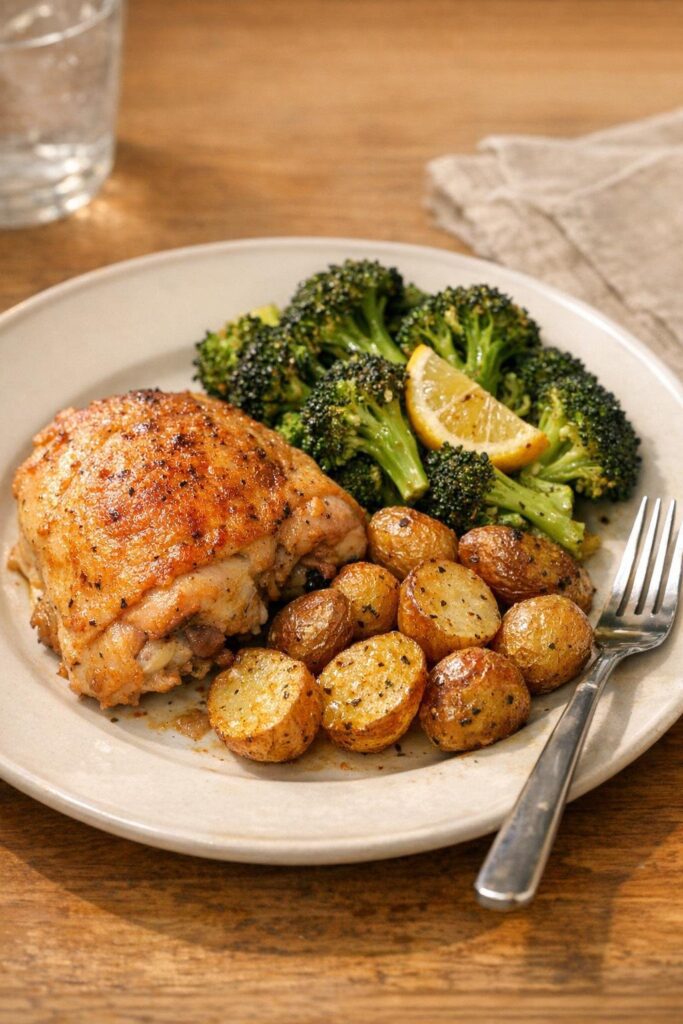
This chicken is rich enough that I like pairing it with simple sides. Roasted broccoli at 425°F for 20 minutes works beautifully, especially with a squeeze of lemon at the end. Mashed potatoes, rice, or buttered egg noodles all make sense if you want something comforting.
On busier nights, I’ll do a sheet-pan dinner by putting seasoned green beans or halved baby potatoes on a second pan in the oven. Potatoes usually need 30 to 35 minutes at 425°F if they’re cut into 1-inch pieces, so I start those first, then slide in the chicken.
13. Food safety details worth paying attention to
Since you’re rubbing a coating onto raw chicken, this is not the time to cut corners on kitchen cleanup. I mix the mayo seasoning in a small bowl, coat the chicken, and then immediately wash my hands, the bowl if it touched the raw chicken, and any surfaces nearby with hot soapy water.
I also never save leftover mayo mixture once it’s touched the raw chicken. If I think I might want extra for serving or dipping, I always set some aside before coating the meat. And as always, I rely on a thermometer instead of color alone. For thighs and drumsticks, I’m happy anywhere from 175°F to 185°F.
14. Whether I would make it again
Absolutely. This is one of those techniques that feels almost too easy for how solid the result is. It took me about 10 minutes to prep, 45 minutes to bake, and cleanup was minimal because I lined the pan. For a worknight dinner, that’s a win in my book.
I also love that it doesn’t require planning ahead. No overnight marinade, no specialty ingredients, no standing at the stove. Just coat, bake, and serve. In my house, methods like that are the ones that actually get repeated, not just admired once and forgotten.
15. My final verdict on the mayo chicken trick
What happened 45 minutes later was not a gimmick—it was genuinely good baked chicken. The mayonnaise helped the seasonings stick, encouraged even browning, and kept the chicken juicy without adding any strange flavor. If you’ve ever pulled dry, disappointing chicken out of the oven and wondered what went wrong, this is a very practical fix to try.
If you want the short version, here it is: use about 1/2 cup mayo for 2 pounds of chicken, season it well, pat the chicken dry, bake at 425°F, and give the pieces enough space on the pan. That’s it. For something that starts with such a humble ingredient, the payoff is surprisingly delicious.