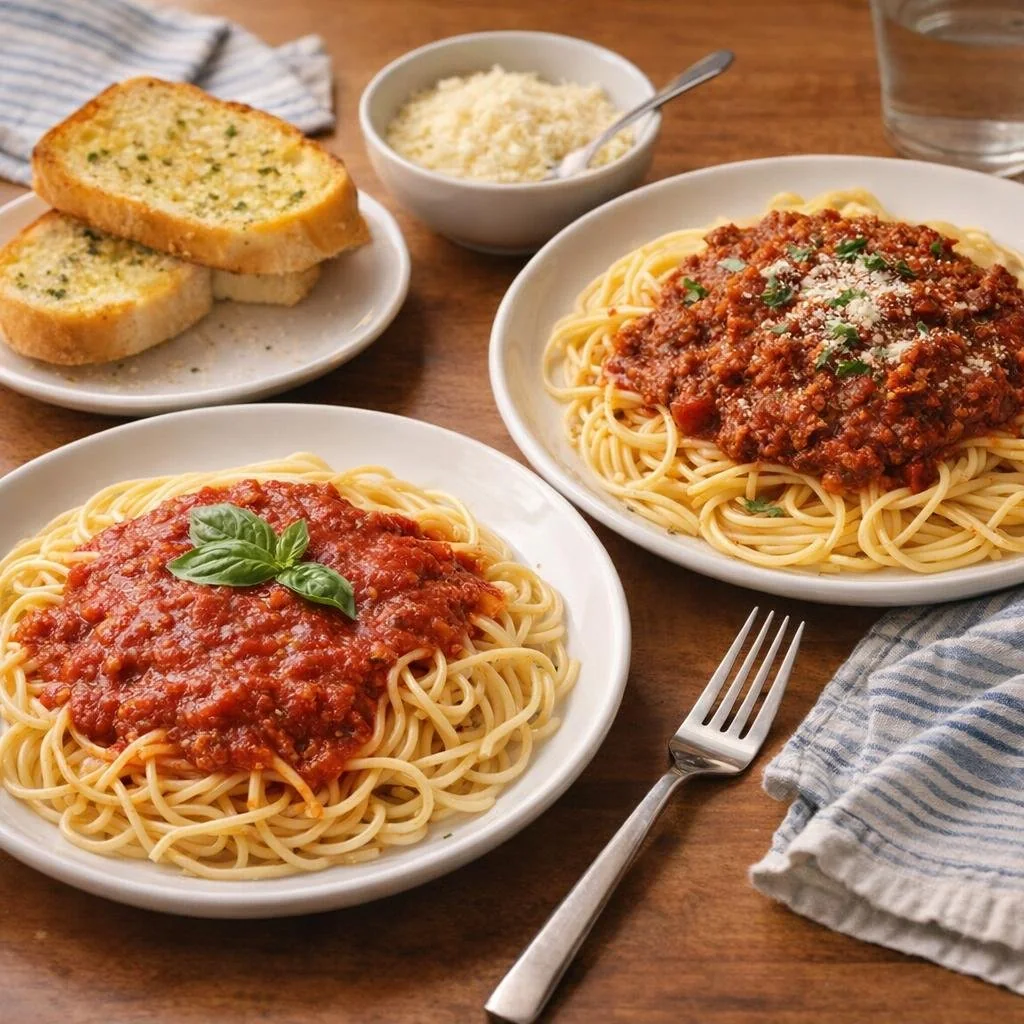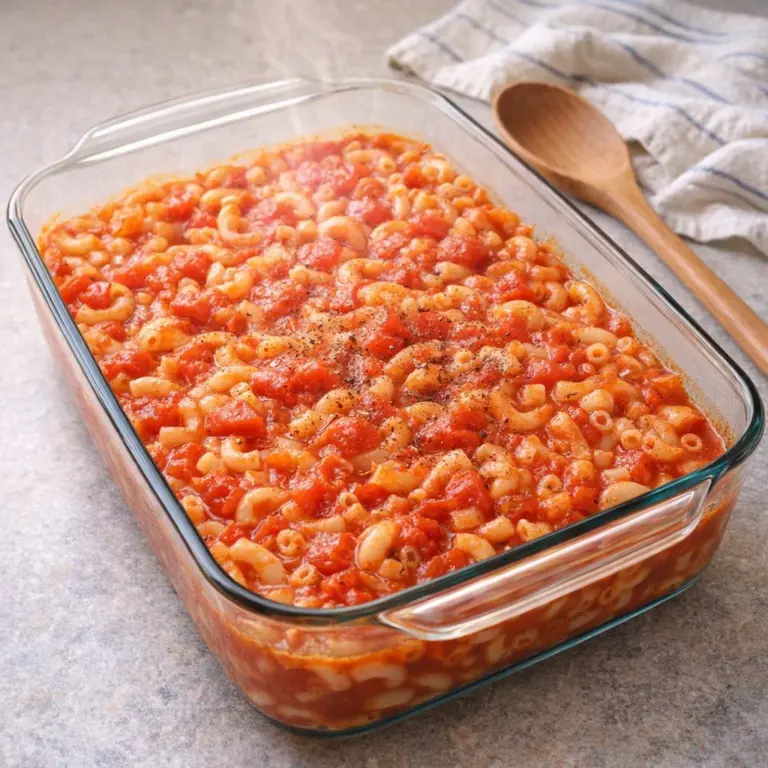
Marinara and spaghetti sauce often start with tomatoes, so it is easy to confuse them. The key distinction is that marinara names a particular simple sauce, while “spaghetti sauce” describes almost any sauce served with spaghetti. That means a marinara can be a spaghetti sauce, but spaghetti sauce does not have to be marinara.
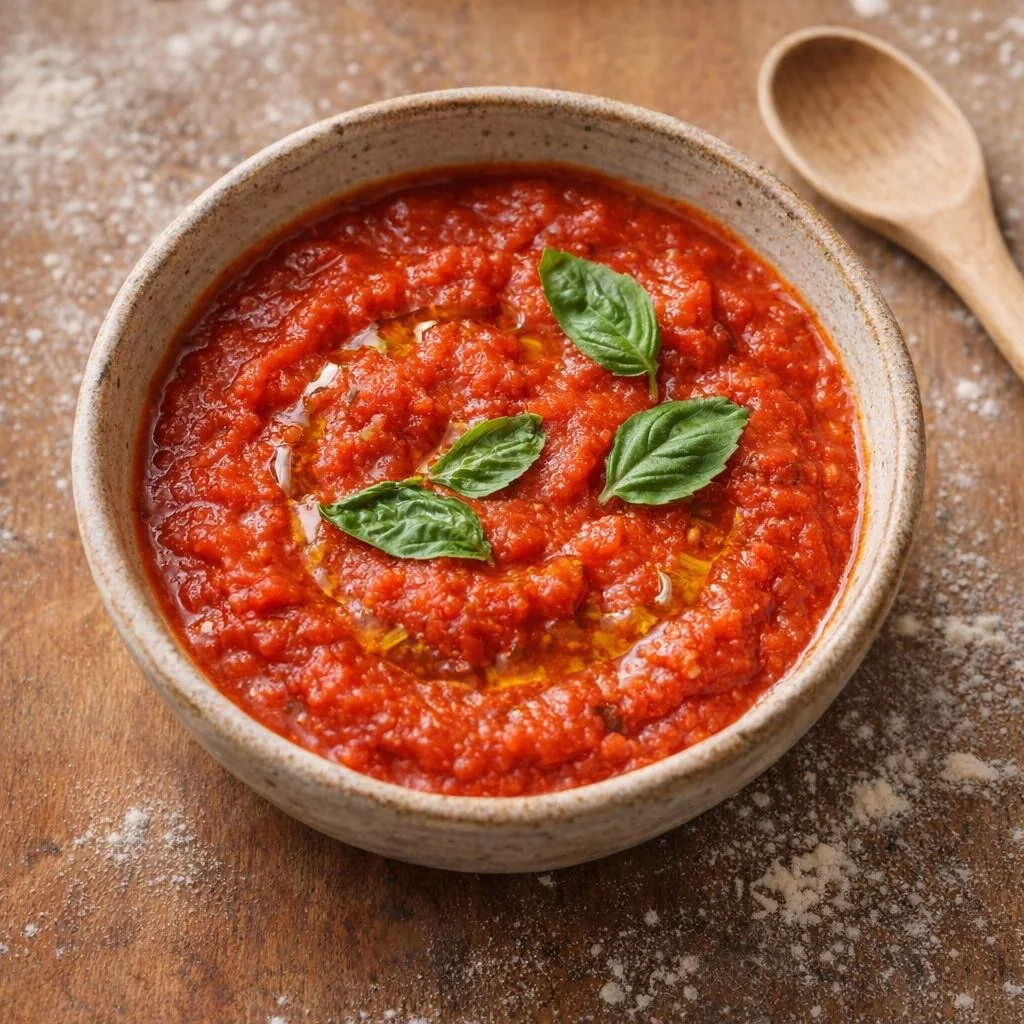
What Is Marinara Sauce?
Marinara is usually a quick tomato sauce made with garlic, olive oil, and herbs such as basil or oregano. Its short ingredient list keeps the tomato flavor bright and direct. The sauce is commonly used on pasta, as a pizza topping, or as a dip for bread and fried appetizers.
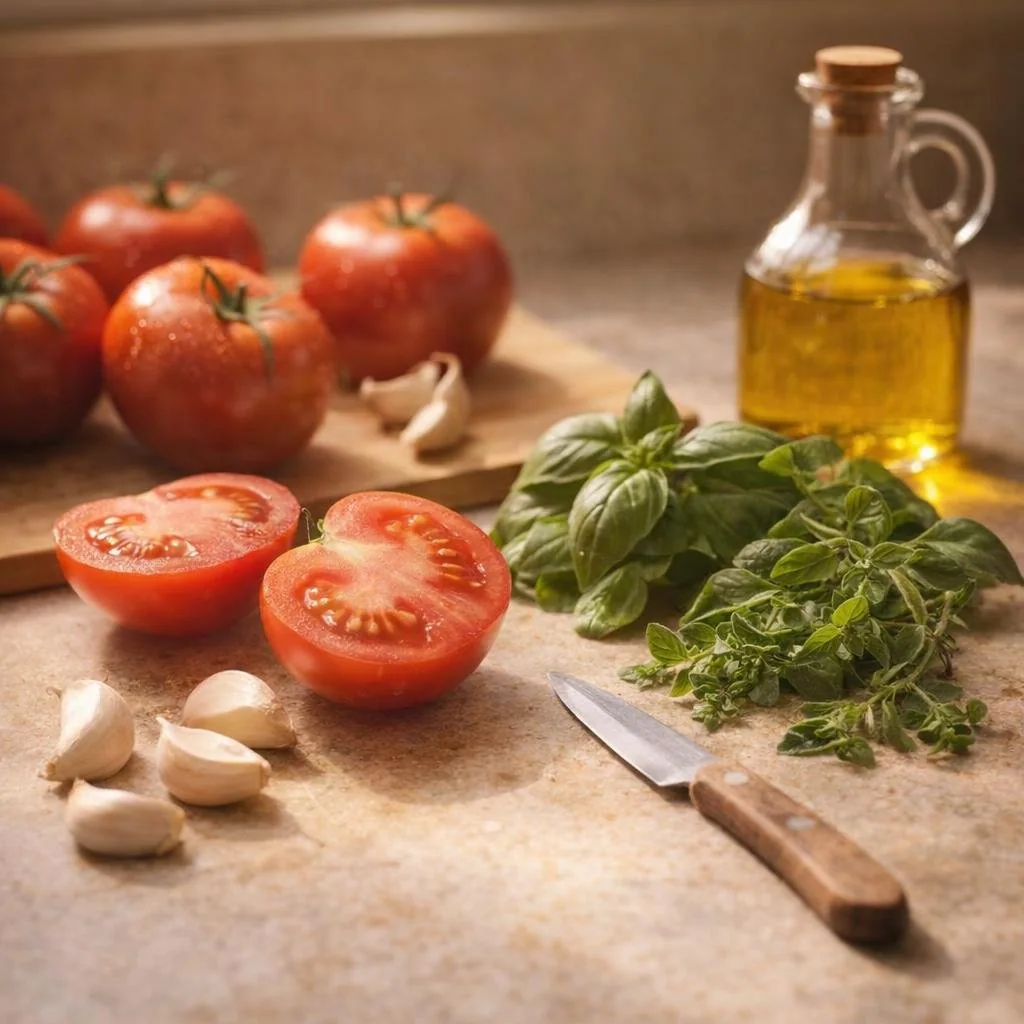
To make a basic version, gently cook garlic in olive oil, add crushed tomatoes, and simmer until the flavors blend. Adjust the seasoning to taste. A brief simmer preserves the fresh tomato character.
What Counts as Spaghetti Sauce?
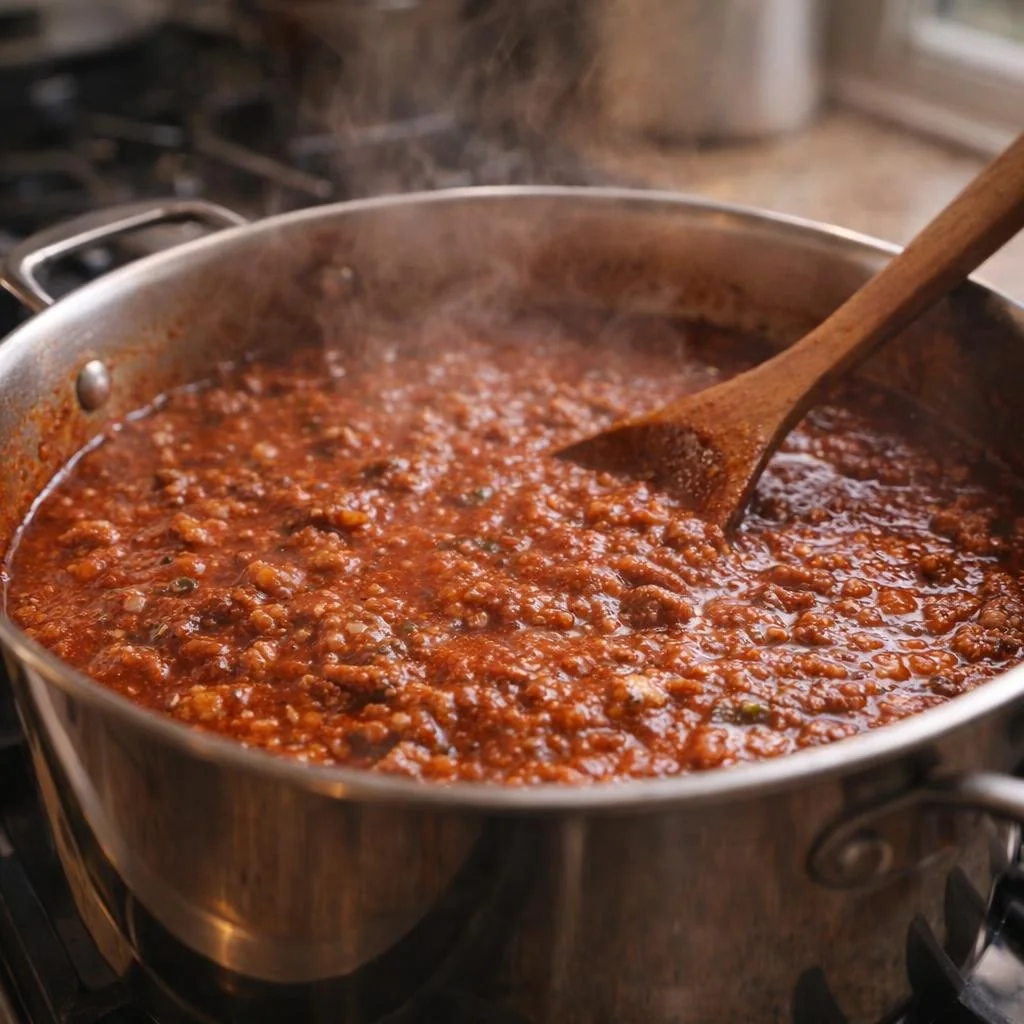
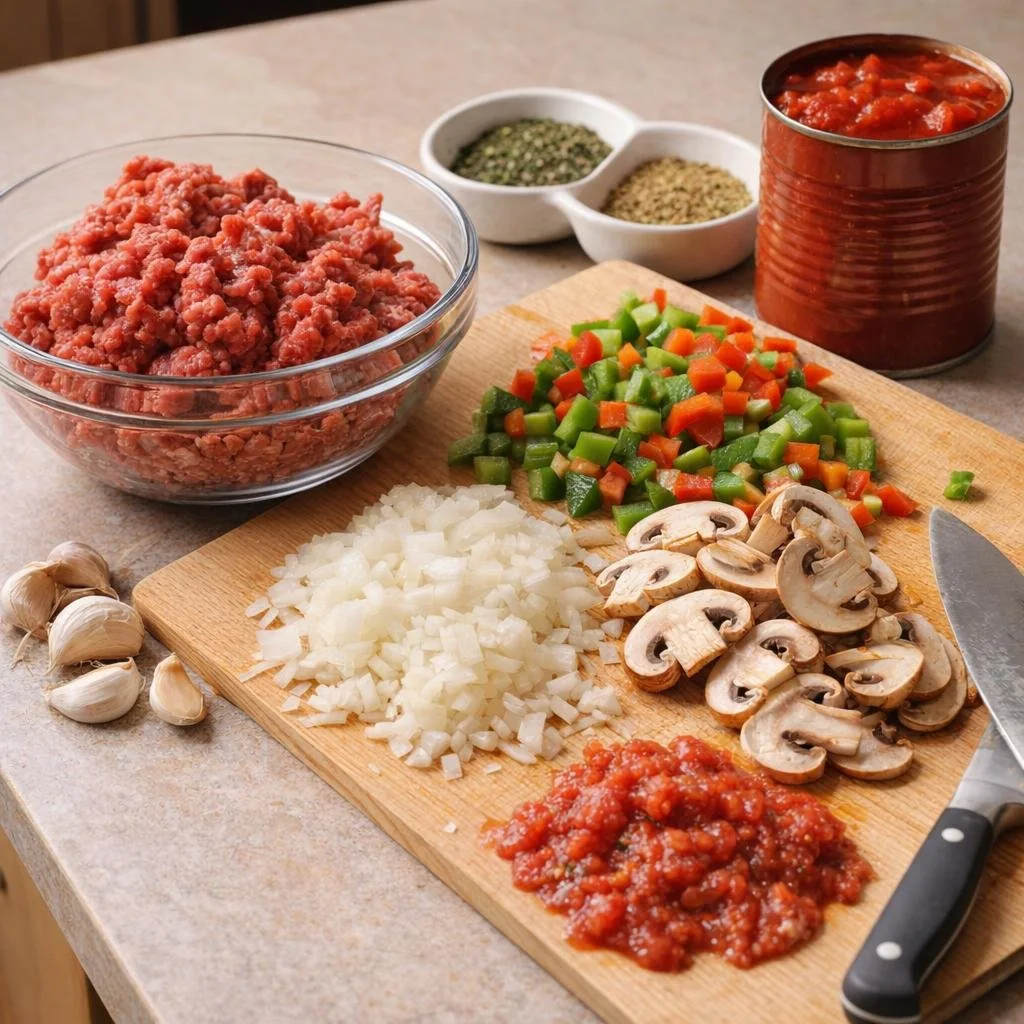
Spaghetti sauce is a broad kitchen term. It can be a simple tomato sauce, including marinara, or a heartier sauce with ground meat, sausage, onions, peppers, mushrooms, or other vegetables. Some versions simmer much longer and develop a deeper, richer flavor.
The Main Differences
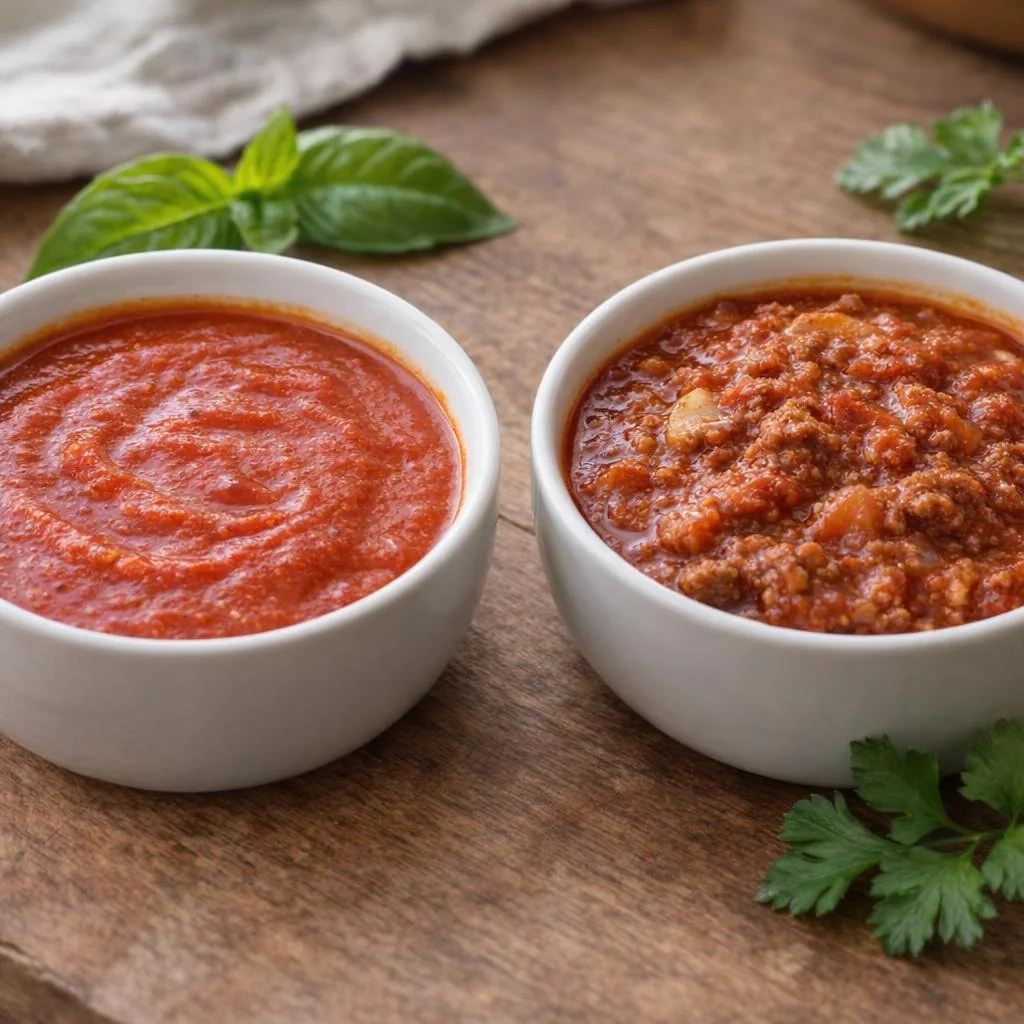
Ingredients: Marinara typically keeps the list short. A spaghetti sauce may add meat, vegetables, or cream. Texture: Marinara tends to be lighter; a meat or vegetable sauce can be thicker. Cooking time: Marinara is often quick, while more elaborate sauces may benefit from a longer simmer.
Which Sauce Should You Use?
Choose marinara when you want a bright tomato flavor for a light pasta dish, dipping sauce, or topping. Choose a heartier spaghetti sauce when the sauce itself should carry more of the meal. Either can go over spaghetti, so the label on a jar tells you less than its ingredient list.